OpenAI Releases Codex Academy: A Step-by-Step Guide to Its AI Coding Agent
The company has published detailed tutorials for setting up workspaces, managing projects, and completing tasks with its software engineering assistant.
Bildnachweis: Photo via Unsplash. Free to use under Unsplash License. · source
OpenAI has launched a new educational resource called Codex Academy, providing structured guidance for developers looking to work with the company's AI-powered coding agent.
What is Codex Academy?
The Codex Academy is a collection of tutorials designed to help users get productive with Codex, OpenAI's software engineering agent. The resource covers the fundamentals of setting up projects, creating threads for task management, and navigating the workspace environment.
Think of it as an onboarding course for a new tool. Rather than leaving developers to figure things out through trial and error, OpenAI has created a structured path from first setup to completing real tasks.
What does the training cover?
The Academy materials walk through several core workflows. According to the working with Codex guide, users learn how to:
- Set up their Codex workspace
- Create and manage threads (the basic unit for organizing tasks)
- Organize work into projects
- Handle file management within the system
- Complete tasks using the agent's capabilities
Verwandte Beiträge
More in AI Models
Chipmakers swung wildly this week, from a Tuesday 'chip-wreck' to a Micron-led surge after hours. What's actually going on with AI's hardware backbone?
Sarah Williams · 26 Jun · 5 min
The original Creator Studio was shut down in 2023. Now it's back, rebuilt around an AI assistant that promises to grow your audience and reply to comments in your voice.
Sarah Williams · 26 Jun · 5 min
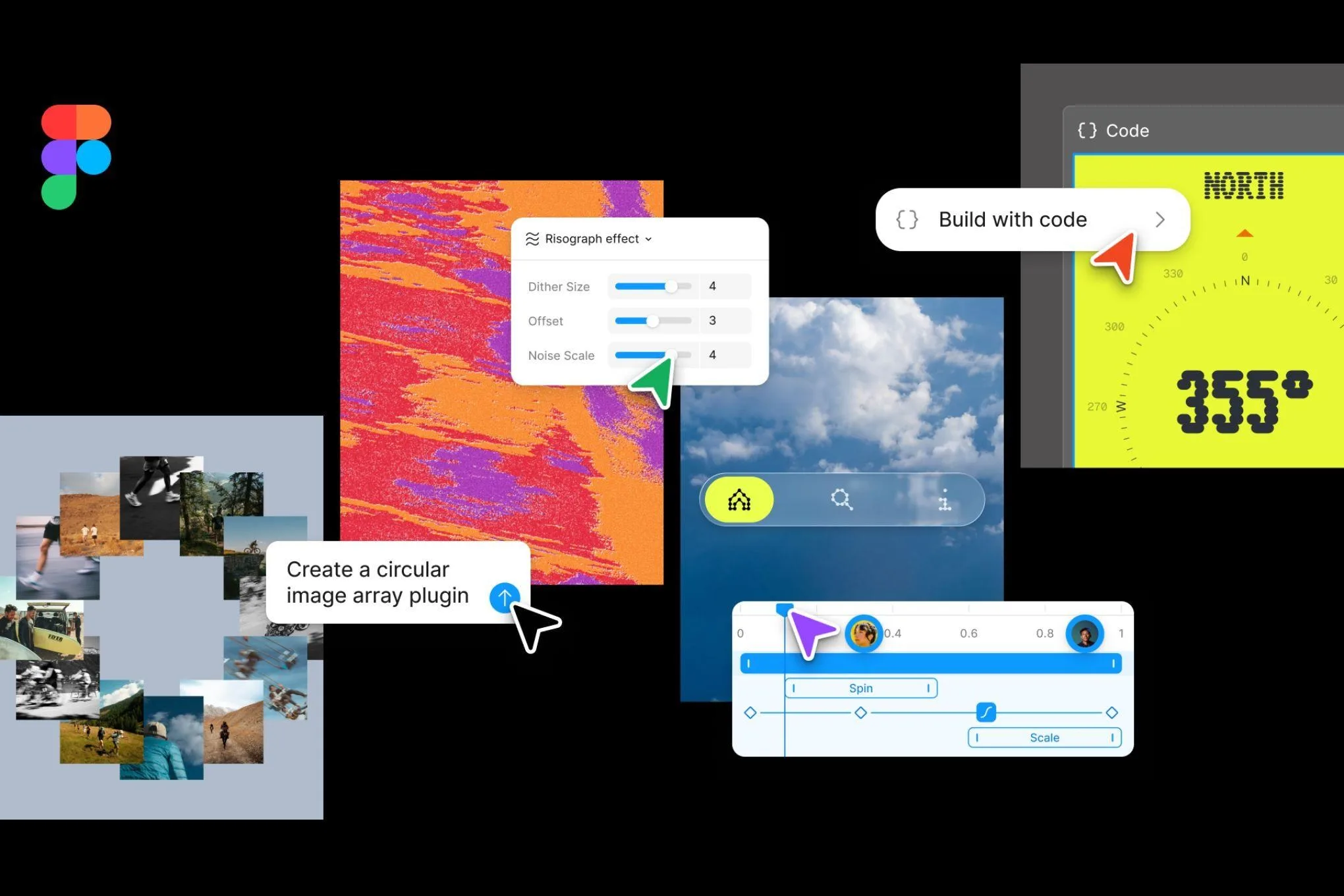
At its annual Config conference, Figma announced coding layers, AI-generated motion graphics, and a reimagined canvas that blurs the line between design and full-stack development.
Sarah Williams · 26 Jun · 5 min
Everyone talks about chips and models. The memory bottleneck is the part of the AI buildout that keeps getting underestimated, and Micron's latest earnings make that case hard to ignore.