OpenAI Maps the Enterprise AI Playbook as Adoption Accelerates
New research from OpenAI reveals how leading companies are scaling AI agents and Codex-powered workflows to build lasting competitive advantages.
Bildnachweis: Photo via Unsplash. Free to use under Unsplash License. · source
OpenAI has released new research outlining how enterprises are moving beyond experimental AI projects into full-scale deployment, with agentic workflows and coding assistants becoming central to competitive strategy.
What did OpenAI announce?
The company published two complementary pieces this week. The first, called B2B Signals, examines how frontier enterprises (those at the leading edge of AI adoption) are deepening their use of the technology. The second, titled The Next Phase of Enterprise AI, provides OpenAI's broader view of where business adoption is heading.
Together, the publications paint a picture of enterprise AI maturing rapidly, with companies moving from isolated pilots to company-wide deployments.
What patterns are emerging among leading adopters?
The B2B Signals research identifies several behaviors that distinguish frontier firms from slower adopters. These companies are not simply using AI for one-off tasks. Instead, they are building what OpenAI calls agentic workflows, systems where AI handles multi-step processes with minimal human intervention.
Codex, OpenAI's coding-focused AI, plays a central role in these deployments. Rather than treating it as a fancy autocomplete tool, leading enterprises are using Codex to power autonomous coding agents that can tackle complex software engineering tasks.
Verwandte Beiträge
More in AI Models
Chipmakers swung wildly this week, from a Tuesday 'chip-wreck' to a Micron-led surge after hours. What's actually going on with AI's hardware backbone?
Sarah Williams · 26 Jun · 5 min
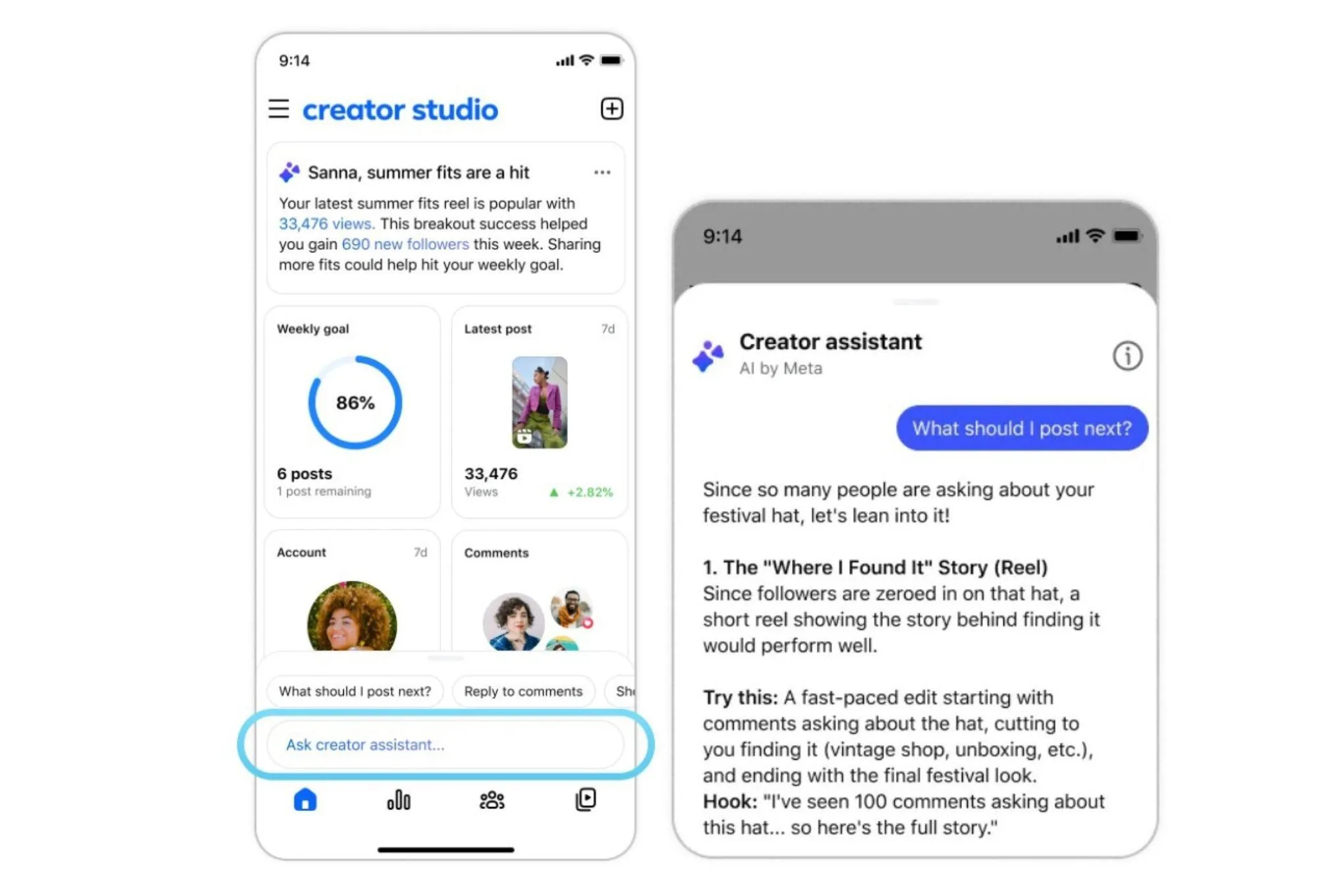
The original Creator Studio was shut down in 2023. Now it's back, rebuilt around an AI assistant that promises to grow your audience and reply to comments in your voice.
Sarah Williams · 26 Jun · 5 min
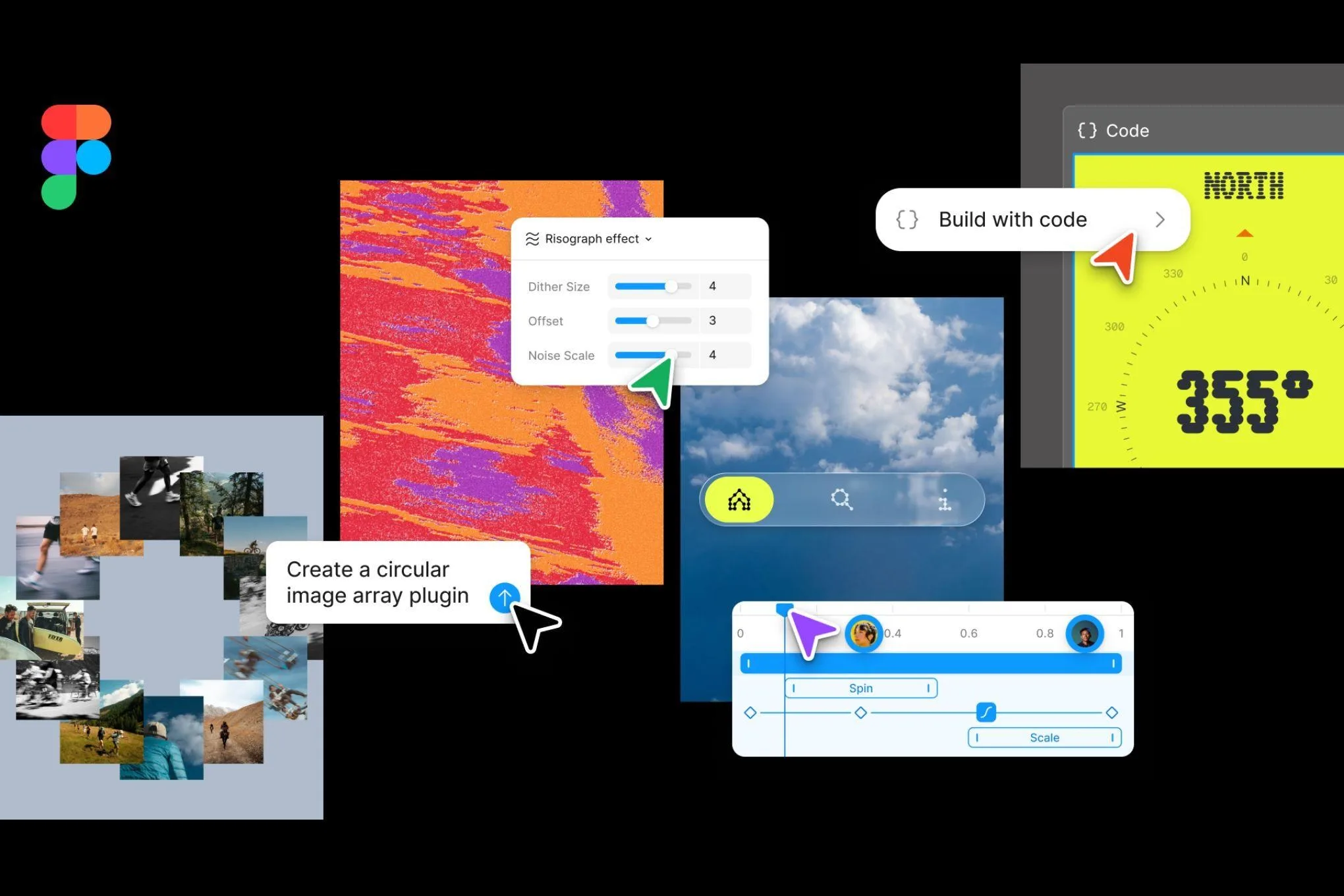
At its annual Config conference, Figma announced coding layers, AI-generated motion graphics, and a reimagined canvas that blurs the line between design and full-stack development.
Sarah Williams · 26 Jun · 5 min
Everyone talks about chips and models. The memory bottleneck is the part of the AI buildout that keeps getting underestimated, and Micron's latest earnings make that case hard to ignore.