OpenAI Is Betting on Education. But Is It Building Toward Something Bigger?
Two new OpenAI education pushes landed this week, and honestly, the pattern they form is more interesting than either one alone.
By
·13 June 2026·5 Min. Lesezeit
Picture a language learner finishing a Spanish lesson on Preply, then getting a neatly generated summary of exactly where they stumbled and what to practise next. No waiting for a tutor to follow up. No vague "great job" feedback. Just a specific, personalised breakdown, ready before they've closed the tab.
That's the basic promise behind what OpenAI and Preply announced recently. And taken alone, it's a reasonable product update. But it landed the same week OpenAI also rolled out a set of new Academy courses designed to help workers actually use AI in their jobs, not just understand it in theory. Put those two things together and I think there's a more interesting story forming.
The Preply integration is fairly focused. Preply, the online language tutoring platform, is now using OpenAI to generate lesson summaries after sessions. The idea is to give learners personalised feedback and targeted exercises based on what happened in their actual lesson, not a generic template. Human tutors are still central to the experience; this is framed as augmentation, not replacement.
The Academy courses are a different beast. OpenAI introduced three new courses aimed at helping people build practical AI skills, design repeatable workflows, and start using AI agents in everyday work contexts. These aren't intro-level "what is a large language model" explainers. They're pitched at people who already have some familiarity and want to move from curiosity to actual implementation.
Verwandte Beiträge
More in AI Models
Chipmakers swung wildly this week, from a Tuesday 'chip-wreck' to a Micron-led surge after hours. What's actually going on with AI's hardware backbone?
Sarah Williams · 26 Jun · 5 min
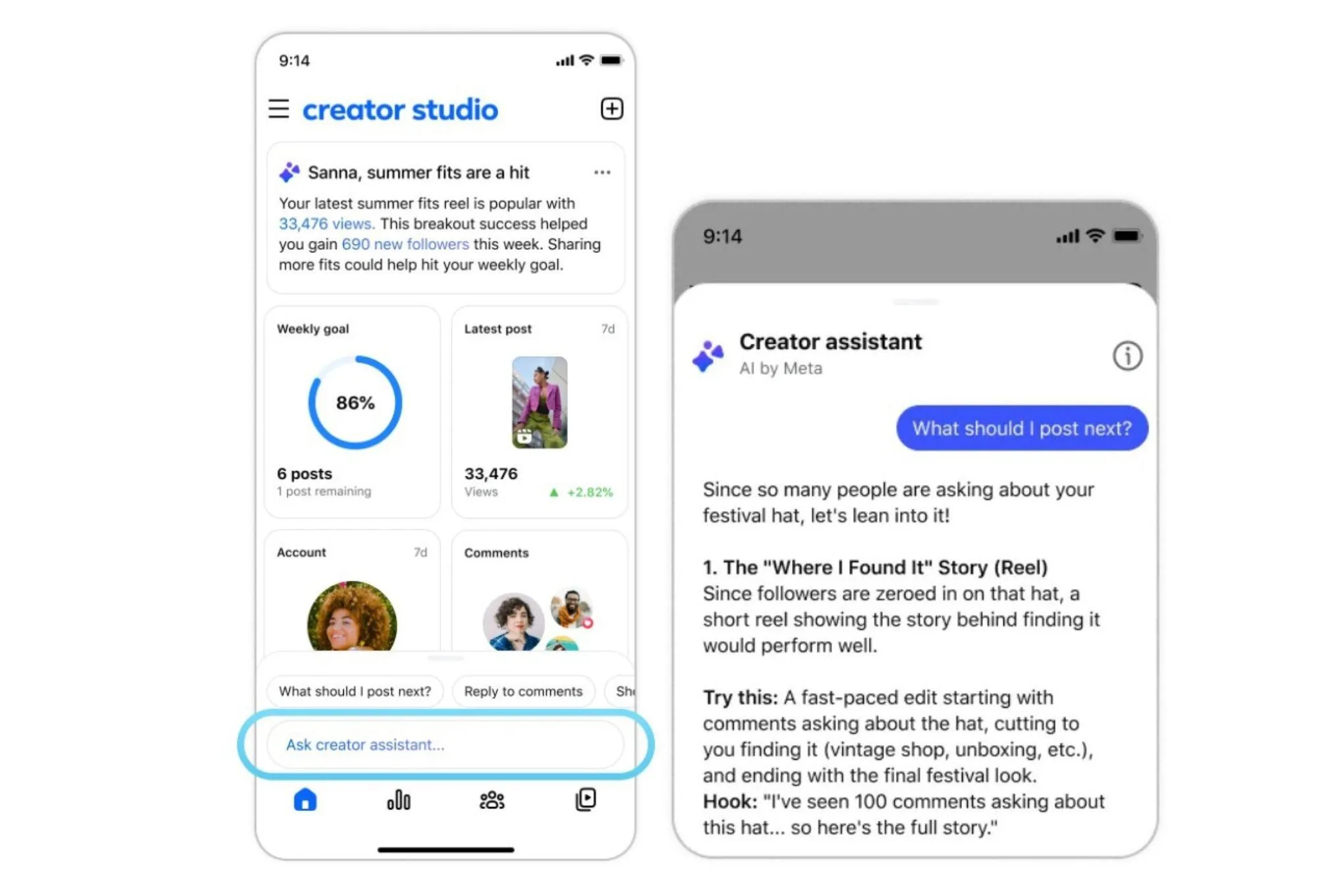
The original Creator Studio was shut down in 2023. Now it's back, rebuilt around an AI assistant that promises to grow your audience and reply to comments in your voice.
Sarah Williams · 26 Jun · 5 min
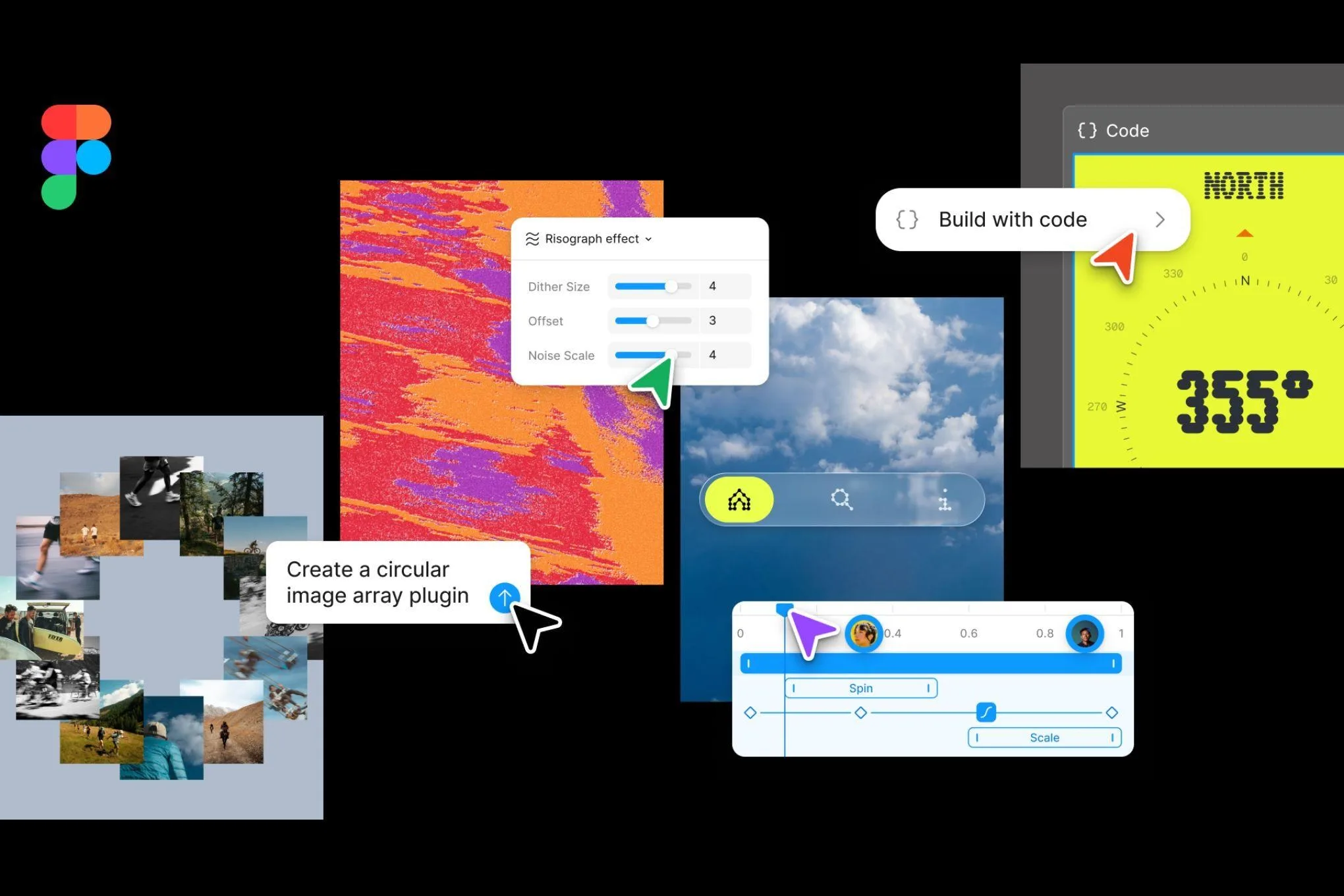
At its annual Config conference, Figma announced coding layers, AI-generated motion graphics, and a reimagined canvas that blurs the line between design and full-stack development.
Sarah Williams · 26 Jun · 5 min
Everyone talks about chips and models. The memory bottleneck is the part of the AI buildout that keeps getting underestimated, and Micron's latest earnings make that case hard to ignore.
Two launches, both education-flavoured, both in the same week. That's either a coincidence or a signal.
Honestly, I'm not sure this holds up under heavy scrutiny yet, but hear me out.
OpenAI has spent most of its public-facing energy on capability announcements. New models, new benchmarks, new integrations with big enterprise partners. The education moves feel different because they're about adoption depth, not capability breadth. They're not saying "look what our model can do." They're saying "here's how you actually build a habit around using it."
That distinction matters if you think about where AI is actually stalling out. It's not stalling because people don't know GPT-4 exists. It's stalling because most people don't have a clear mental model for when to reach for it, or how to build a workflow that sticks. The Academy courses seem to be a direct attempt to fix that. The Preply integration is a real-world example of what that looks like when it's done well inside a product people already use.
I initially thought these were just separate partnership announcements that happened to drop close together. But after reading through both, they feel more like two sides of the same argument: AI tools are only as valuable as the humans who know how to use them.
This is where I should know more than I do, tbh. The details OpenAI has shared are fairly high-level. The three courses cover building practical AI skills, creating repeatable workflows, and applying agents in everyday work. That last one is interesting because agent-based workflows are still pretty new territory for most non-technical users.
What remains unclear is how deep these courses go, who they're actually designed for, and whether they'll be free or paywalled. OpenAI hasn't disclosed pricing details, at least not in what's been published so far. That matters quite a bit for whether this is a genuine democratisation effort or a professional development product aimed at enterprise customers.
You might be wondering whether this is just OpenAI trying to build brand loyalty at the individual user level, and honestly, that's probably part of it. But that doesn't make the content less useful if it's well made.
Language learning is a useful test case for AI-assisted education because the feedback loop is so clear. Either you're getting better at Spanish or you're not. Either the vocabulary is sticking or it isn't.
The AI-generated lesson summaries Preply is rolling out are designed to close a gap that's always existed in tutoring: the space between the end of a lesson and the next one. Most of what you learn in a session starts fading almost immediately, and tutors can't always send detailed follow-ups for every student. Automated, personalised summaries are a genuinely sensible solution to that specific problem.
What's harder to evaluate is whether the personalisation is actually personalised, or whether it just feels that way. This is based on limited public information, and Preply hasn't released data on learning outcomes yet. It's too early to say whether this moves the needle on retention or fluency in any measurable way.
I think OpenAI is trying to solve an adoption problem that no amount of capability improvement will fix on its own. You can build the most powerful model in the world and it still won't matter if people don't know how to make it part of how they actually work and learn.
The Preply integration shows one path: embed AI into a product people already trust, in a way that clearly adds value without displacing the human element entirely. The Academy courses show another: teach people directly, give them frameworks, make the abstract concrete.
Neither of these is a dramatic announcement. No new model, no benchmark record, no funding round. But in a way, that's what makes them worth paying attention to. The hard part of AI adoption was never going to be the technology. It was always going to be the humans.