Bildnachweis: Image via Source article. Used under fair use for news commentary. · source
I'm sitting here looking at two pieces of Nvidia news from the past week, and I can't help but think about the late 90s. Back then, every graphics card company thought they could conquer the world, and most of them are gone now. 3dfx, ATI (sort of), Matrox. Nvidia survived by being relentlessly aggressive and, frankly, a little paranoid. That paranoia is on full display right now.
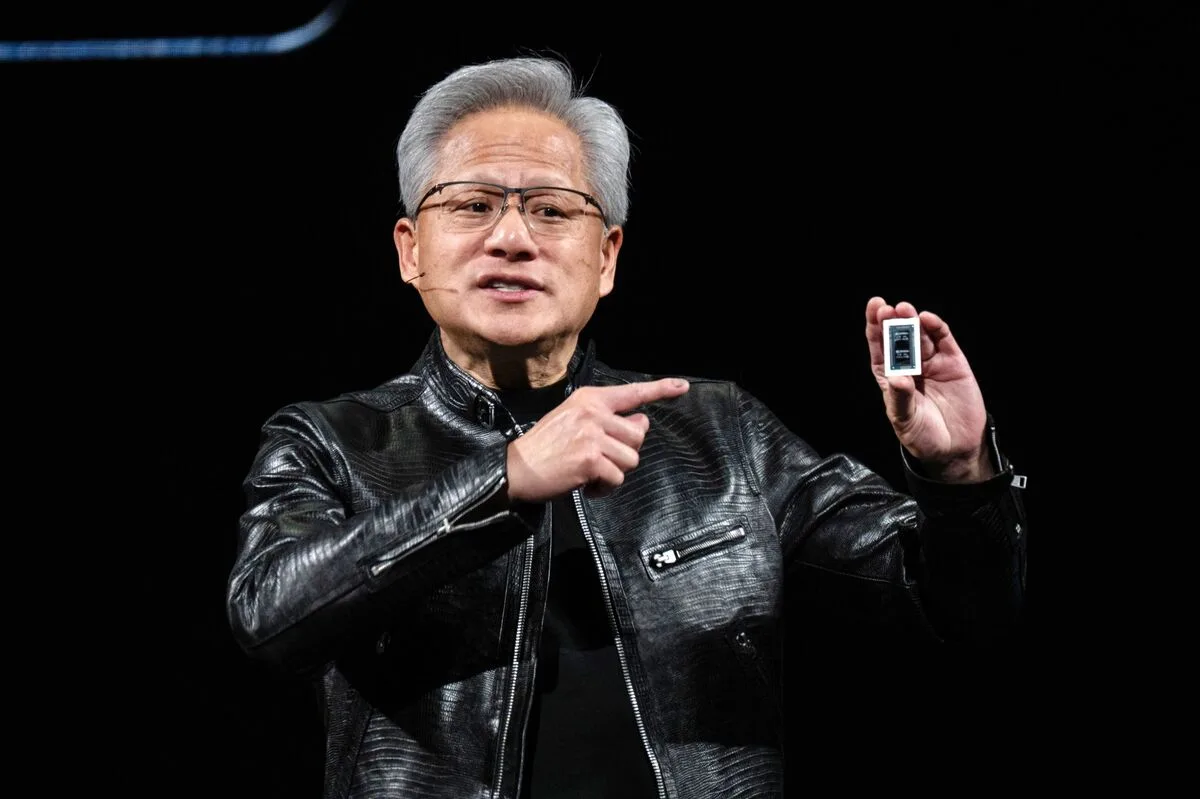
The company just announced what Bloomberg is calling its biggest consumer product in years, a PC chip that marks another attempt to slay what I'll call the laptop dragon. And separately, Jensen Huang confirmed that all three major memory makers have been certified to supply HBM4 for the upcoming Vera Rubin accelerators. Two stories, same company, same week. Let me try to make sense of what's actually happening here.
Nvidia has tried this before! Multiple times, actually. The Tegra line was supposed to revolutionize mobile computing. It didn't, not really, though it found a home in the Nintendo Switch and some automotive applications. The company has always wanted to be more than a GPU vendor, to own the whole compute stack from data center to your lap.
The new RTX Spark (that's the name they're going with, apparently) is being positioned as a superchip for PCs. Now, I should be clear here, the details on architecture and pricing remain fuzzy. Bloomberg's coverage suggests this is a significant departure from Nvidia's traditional discrete GPU business, but we don't know yet whether this means they're going after Intel and AMD's integrated solutions or building something more exotic.
Verwandte Beiträge
More in AI Models
Chipmakers swung wildly this week, from a Tuesday 'chip-wreck' to a Micron-led surge after hours. What's actually going on with AI's hardware backbone?
Sarah Williams · 26 Jun · 5 min
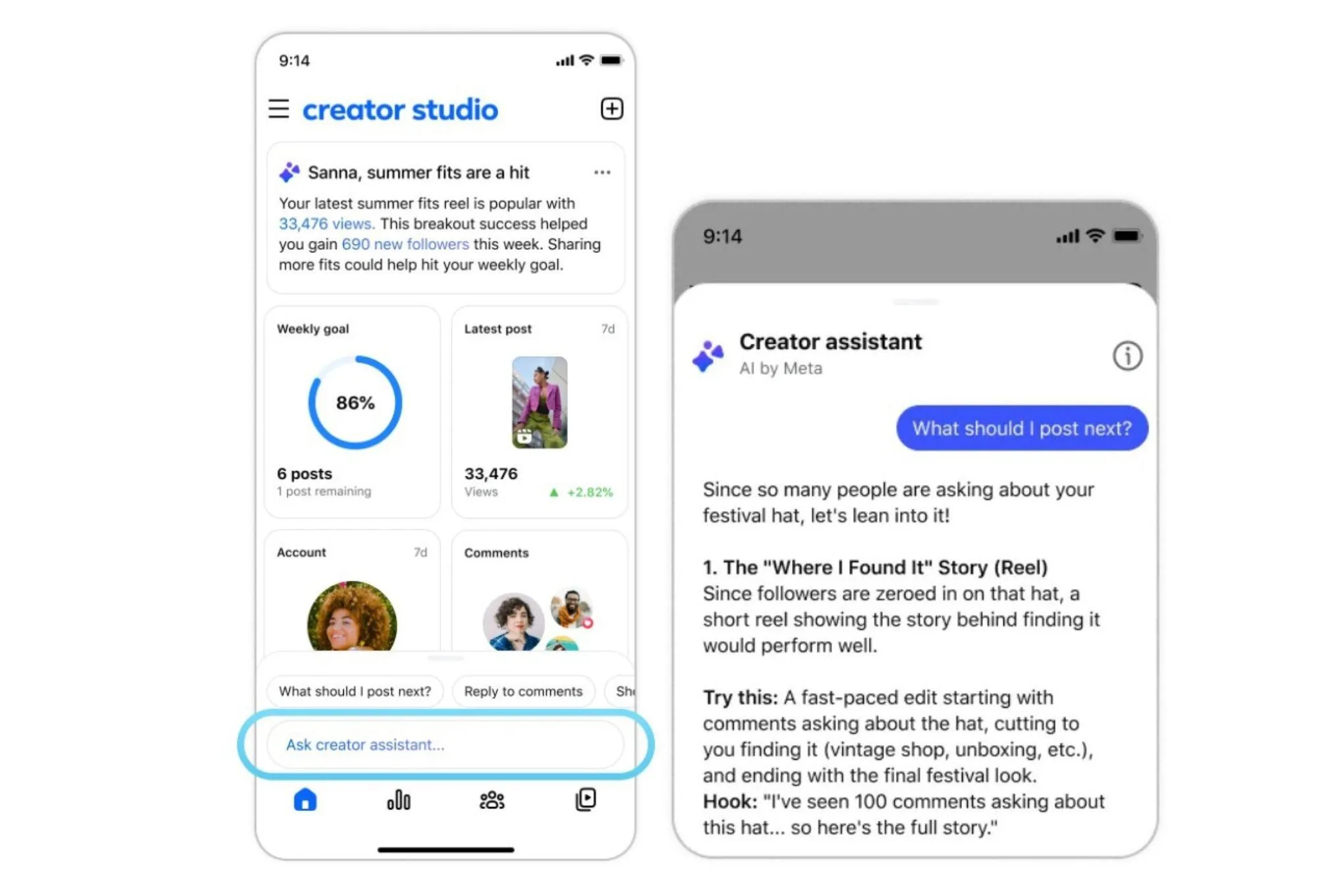
The original Creator Studio was shut down in 2023. Now it's back, rebuilt around an AI assistant that promises to grow your audience and reply to comments in your voice.
Sarah Williams · 26 Jun · 5 min
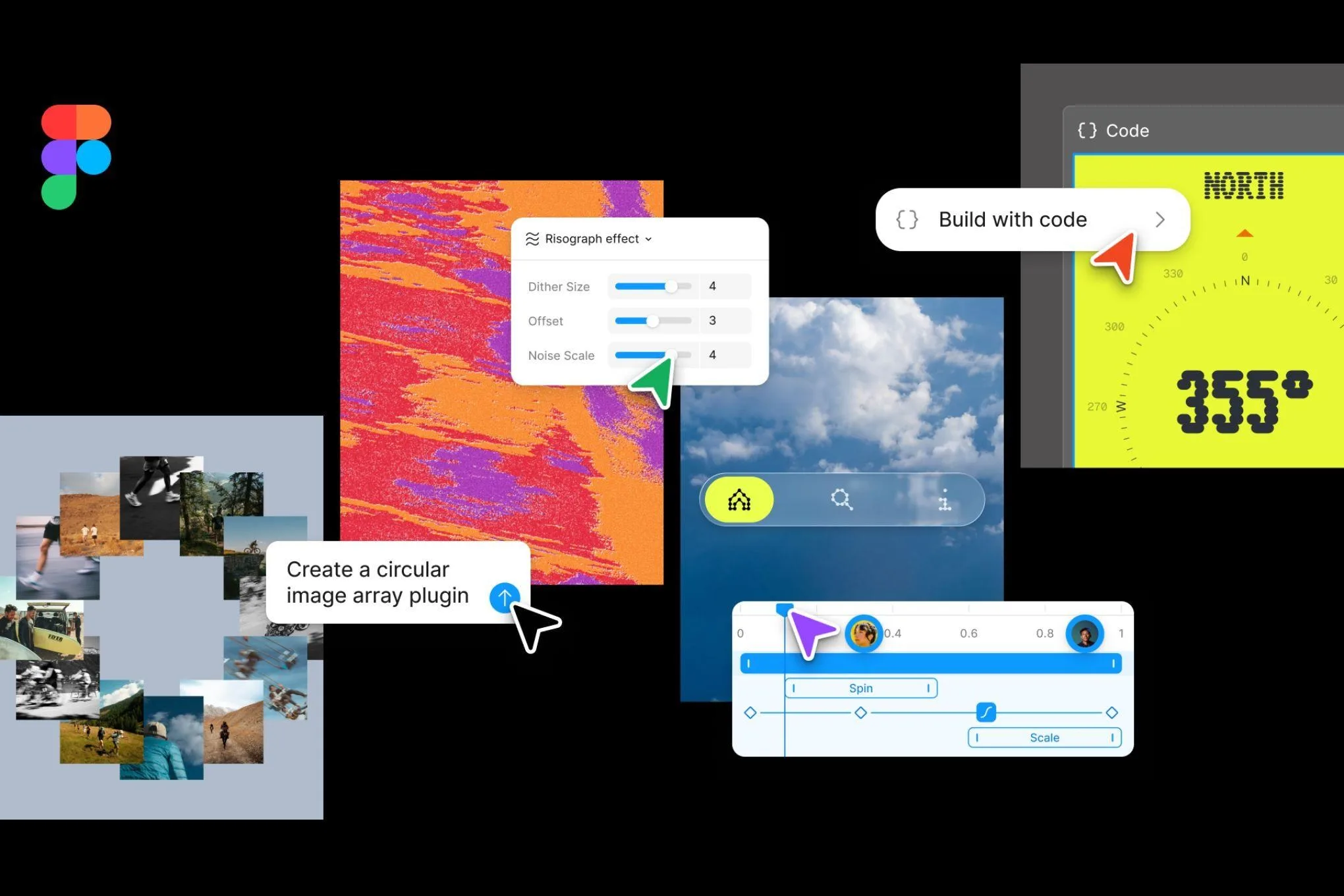
At its annual Config conference, Figma announced coding layers, AI-generated motion graphics, and a reimagined canvas that blurs the line between design and full-stack development.
Sarah Williams · 26 Jun · 5 min
Everyone talks about chips and models. The memory bottleneck is the part of the AI buildout that keeps getting underestimated, and Micron's latest earnings make that case hard to ignore.
Call me old-fashioned, but I'm skeptical of any chip announcement that doesn't come with benchmarks and a ship date. We've been through too many paper launches in this industry. The press release era of the 2020s trained us all to be cynical, and rightfully so.
What I can say is this: if Nvidia actually executes on a competitive PC chip, it changes the laptop market considerably. Intel's been stumbling. AMD's doing well but not dominant. There's an opening here. Whether Nvidia can thread the needle between their OEM relationships (they still need Dell and HP to buy discrete GPUs) and competing with those same customers' preferred silicon partners, that's the question nobody's answering yet.
This one's more interesting to me, honestly. Bloomberg reported that Nvidia has certified Samsung, SK Hynix, and Micron to supply HBM4 memory for the Vera Rubin accelerators. Jensen confirmed it himself, which is notable because usually these supply chain details stay behind closed doors.
For context, high-bandwidth memory is the bottleneck for AI training. You can have the most powerful GPU in the world, but if you can't feed it data fast enough, it sits there waiting. HBM4 is the next generation of this technology, and it's going to be essential for whatever comes after the current Blackwell architecture.
Now here's what's actually significant: Samsung has been struggling with HBM yields. There were reports earlier this year that they'd failed Nvidia's validation process for HBM3E. The fact that all three suppliers are now certified for HBM4 suggests either Samsung fixed their problems, or Nvidia's so desperate for supply that they're lowering their standards. I genuinely don't know which it is. Probably the former, but I've been wrong before!
The memory supply chain for AI chips is, and I don't use this word lightly, genuinely precarious. SK Hynix has been the dominant supplier, which gives them enormous pricing power. Nvidia certifying all three manufacturers is as much about negotiating leverage as it is about technical validation. Jensen didn't confirm this publicly out of the goodness of his heart. This was a message to the memory industry: we have options.
Okay, I can hear some of you asking why a robotics publication is covering chip supply chain news. Fair question. Here's my answer.
Every serious robotics company is now an AI company whether they like it or not. The compute requirements for real-time perception, planning, and control are exploding. Boston Dynamics, Figure, 1X, the whole humanoid crowd, they're all building systems that need serious silicon. The Jetson line from Nvidia is already the default platform for a lot of robotics work, and whatever comes next (Vera Rubin derivatives, presumably) will matter enormously for edge inference.
If HBM4 supply is constrained, that affects training capacity, which affects how quickly these companies can iterate on their foundation models. If Nvidia's new PC chips actually deliver on local AI processing, that could change the economics of robot deployment. You might not need a constant cloud connection for your warehouse AGV if there's enough compute onboard.
This is speculative, I'll admit. We're connecting dots that might not actually connect. But I've covered enough technology cycles to know that supply chain constraints upstream always, always show up downstream eventually. The kids building humanoid robots today should be paying attention to memory certification news, even if it seems boring.
What strikes me about both of these announcements is how they reveal Nvidia's strategy, which is basically to be everywhere. Data center, obviously, that's the cash cow. But also PCs, laptops, automotive, robotics, edge devices. Jensen wants Nvidia silicon in everything that computes.
I've seen this movie before. It's the Intel playbook from the 2000s, and we know how that ended. Intel got complacent, missed mobile, stumbled on manufacturing, and spent a decade trying to catch up. Nvidia's advantage is that they're not complacent, not even close. The paranoia I mentioned earlier? It's real. Jensen runs that company like someone's always about to eat his lunch.
But there are limits to how many markets any company can dominate simultaneously. The PC chip effort requires different expertise than data center accelerators. The automotive business has different regulatory requirements than consumer electronics. Spreading yourself thin is a real risk, even for a company with Nvidia's resources.
What I don't know, and what I suspect Nvidia doesn't fully know either, is whether the AI boom is a permanent shift or a bubble that will eventually deflate. The capital expenditure numbers from the hyperscalers are staggering. Microsoft, Google, Amazon, they're all building data centers like there's no tomorrow. That spending has to produce returns eventually, or it stops. And if it stops, Nvidia's growth story changes dramatically.
For now, though, the company is executing. The PC chip is a hedge against data center concentration. The memory certification is supply chain insurance. Both moves make sense. Whether they'll work out is a different question entirely.
We should know more about the RTX Spark in the coming months. Nvidia tends to announce things and then drip out details over time, which is frustrating but effective from a marketing standpoint. I'm expecting more technical specifications by late summer, and actual products by early next year, but that's just my guess based on past patterns.
On the Vera Rubin front, the roadmap suggests 2026 for initial availability, which means the HBM4 supply chain needs to be locked in now. The certification announcement is a leading indicator, not a lagging one. The actual chips won't matter until the memory is flowing at scale.
I'll be watching both threads. If you want to argue with my analysis, my email's on the about page. I actually read those, unlike some of the kids who think everything should be a Discord server.
The robotics implications remain speculative for now. But if there's one thing I've learned covering tech for three decades, it's that the boring infrastructure stories today become the exciting product stories tomorrow. Memory certification doesn't make for a sexy headline. But it might determine which robot companies can actually scale their AI systems next year.