Bildnachweis: Image via Microsoft AI Blog. Used under fair use for news commentary. · source
Microsoft wants to fix farming. That's the pitch, anyway.
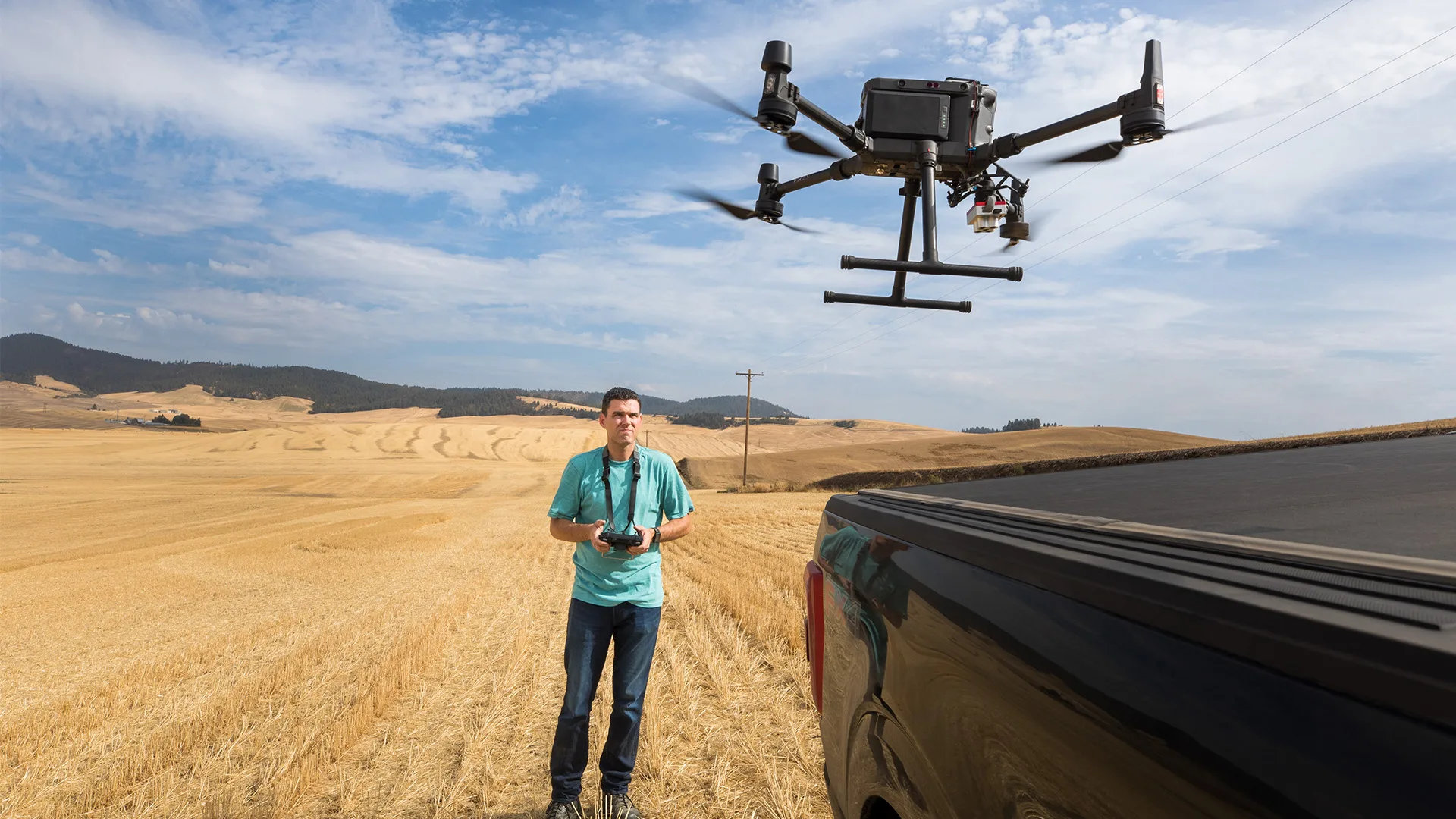
The company just open-sourced what it calls its "farm of the future" toolkit, a collection of AI tools designed to help agricultural operations become more efficient, sustainable, and data-driven. On paper, this sounds great. Farming needs innovation. Climate change is making traditional methods less reliable. And open-sourcing means anyone can use it, right?
I initially thought this was mostly a PR move. Big tech company releases free tools, gets good headlines, moves on. But after digging into what's actually in this toolkit, I think there's something more interesting happening here. Also more complicated.
The toolkit includes AI models for crop monitoring, yield prediction, soil analysis, and resource optimization. Microsoft has been testing these tools on research farms and with agricultural partners for the past few years, and now they're making the underlying code available to anyone who wants to use it.
The idea is that farmers (or more realistically, agricultural technology companies and researchers) can take these models and adapt them to their specific needs. You've got a vineyard in California? A wheat operation in Kansas? A smallholder farm in Kenya? In theory, the same foundational tools could help all of them.
Honestly, I'm not sure how practical this is for most actual farmers. The gap between "here's some open source code" and "here's something a farmer can use tomorrow" is enormous. You need infrastructure. You need sensors. You need someone who can implement and maintain these systems. That's not nothing.
Verwandte Beiträge
More in AI Models
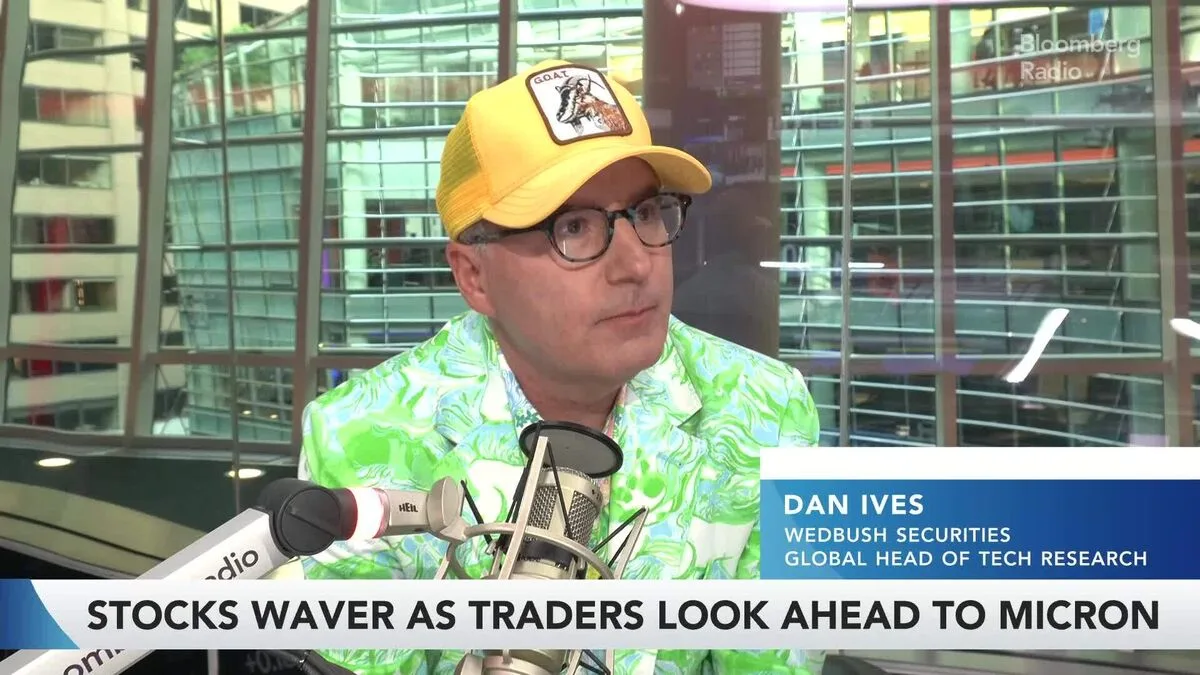
Chipmakers swung wildly this week, from a Tuesday 'chip-wreck' to a Micron-led surge after hours. What's actually going on with AI's hardware backbone?
Sarah Williams · 26 Jun · 5 min
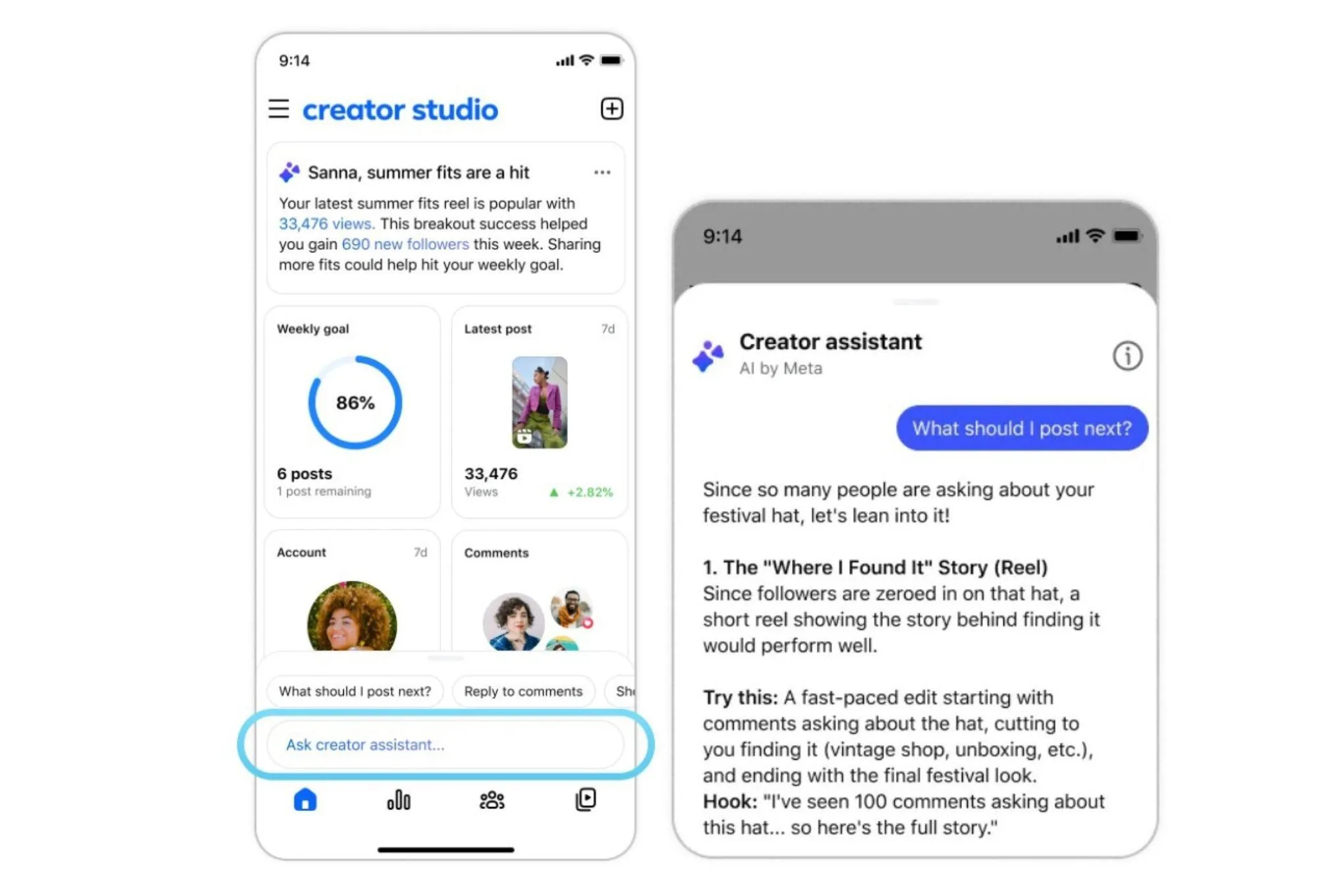
The original Creator Studio was shut down in 2023. Now it's back, rebuilt around an AI assistant that promises to grow your audience and reply to comments in your voice.
Sarah Williams · 26 Jun · 5 min
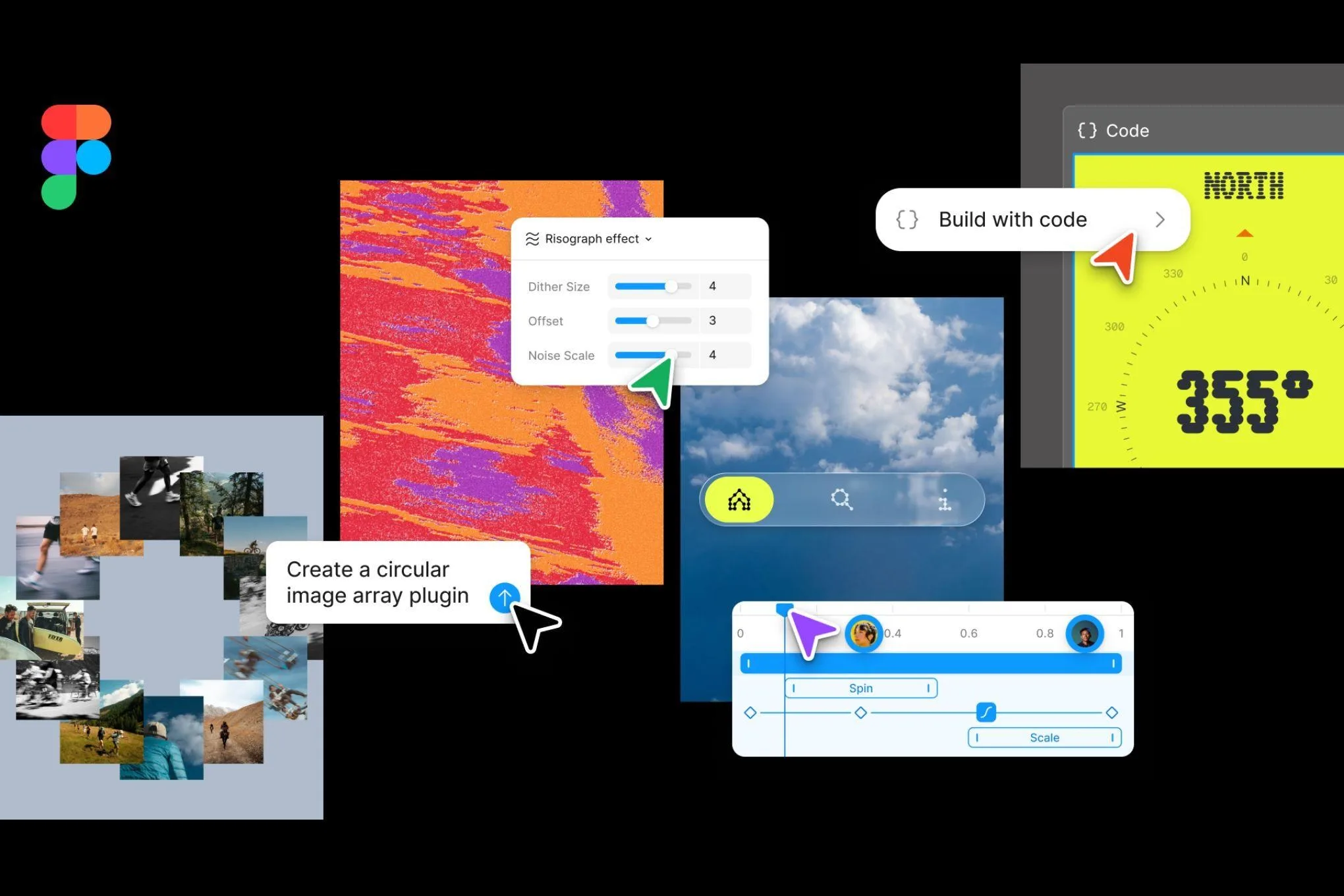
At its annual Config conference, Figma announced coding layers, AI-generated motion graphics, and a reimagined canvas that blurs the line between design and full-stack development.
Sarah Williams · 26 Jun · 5 min
Everyone talks about chips and models. The memory bottleneck is the part of the AI buildout that keeps getting underestimated, and Micron's latest earnings make that case hard to ignore.
What caught my attention is how this release connects to Microsoft's broader framework for building AI systems responsibly. The company has been pretty vocal about wanting AI development to follow certain principles: fairness, reliability, privacy, inclusiveness, transparency, accountability.
Applying those principles to agricultural AI gets complicated fast. Whose data trains these models? If a small farm in India contributes data that helps improve the system, do they benefit from those improvements? What happens when the AI recommends something that doesn't work in a specific local context?
I should know this better, but I couldn't find clear answers in Microsoft's documentation about how they're handling data from partner farms. That seems like kind of a big deal for a "responsible AI" framework.
Let's be honest about the audience here. This toolkit isn't going to be downloaded by a farmer in Nebraska who's trying to figure out when to plant corn. It's going to be used by:
Agricultural technology startups building products on top of Microsoft's work
University researchers studying precision agriculture
Large agribusiness companies with dedicated tech teams
Government agricultural agencies in wealthier countries
That's not a criticism, exactly. That's how open source works. You release tools, other people build on them, and eventually (hopefully) the benefits trickle down to end users. But it does mean the "democratizing agriculture" framing feels a bit oversold.
The infrastructure problem is real. Even basic AI-powered agriculture requires sensors, connectivity, and computing power that many farms simply don't have. In the US, roughly 25% of rural areas still lack reliable broadband. In developing countries, the numbers are much worse. You can't run cloud-based AI models without internet.
I don't think this is purely altruistic, and that's fine. Microsoft has been pushing hard into agricultural technology for years. They've got partnerships with major agricultural companies. They're building Azure services tailored to farming operations. Open-sourcing these tools creates a larger ecosystem of developers and companies building on Microsoft's platform.
It's the classic open source play: give away the tools, sell the infrastructure. Amazon did it with cloud computing. Google did it with Android. Microsoft is doing it with agricultural AI.
This isn't inherently bad, tbh. If the tools are genuinely useful and freely available, does it matter that Microsoft also benefits? I keep going back and forth on this. On one hand, more tools in the ecosystem is good. On the other hand, it does create a kind of dependency, where the "open" tools work best with Microsoft's paid services.
Here's what I think is actually interesting about this release: it's a signal that agricultural AI is maturing.
For years, precision agriculture has been mostly hype and pilot projects. Lots of startups, lots of promises, not a lot of actual adoption. The fact that Microsoft is confident enough to open-source its toolkit suggests they think the market is ready to grow. They're not worried about giving away competitive advantage because they think the pie is about to get much bigger.
Whether that's true remains unclear. Agricultural technology adoption is notoriously slow. Farmers are (reasonably) risk-averse. The economics of precision agriculture still don't make sense for a lot of operations, especially smaller ones.
But climate change is accelerating. Water is getting scarcer in many regions. Input costs keep rising. At some point, the economics have to shift. The question is whether it happens fast enough, and whether the benefits reach the farmers who need them most, not just the large operations that can afford the upfront investment.
A few things I want to see over the next year or two:
First, who actually adopts this toolkit? If it's just a handful of well-funded startups, that tells us something. If agricultural extension services start incorporating these tools, that's different.
Second, how does Microsoft handle the data question? As more farms use AI tools (whether Microsoft's or others'), the data they generate becomes incredibly valuable. Who owns it? Who profits from it? This is going to be one of the defining fights in agricultural technology.
Third, does this actually help with the sustainability goals Microsoft keeps talking about? It's easy to claim AI will reduce water usage and pesticide application. It's harder to prove it at scale.
I'm cautiously optimistic, I think. The tools themselves seem genuinely useful. The open-source approach is better than keeping everything proprietary. But the gap between "available" and "accessible" is wide, and I'm not convinced Microsoft (or anyone else) has figured out how to bridge it.
For now, the farm of the future remains mostly a farm of the future. But maybe that's starting to change.