Bildnachweis: Image via Source article. Used under fair use for news commentary. · source
Microsoft announced MAI-Thinking-1 at Build 2026 this week, and if you've been covering tech long enough, you recognize the pattern. Big company spends years riding someone else's technology, relationship gets complicated, big company decides it can do better alone. We saw it with IBM and Microsoft in the 80s, Microsoft and Intel through the 90s, and now Microsoft and OpenAI. The kids running these AI labs probably think they invented corporate divorce, but trust me, this dance is older than most of their engineers.
The model itself is what Microsoft calls a "medium-sized model" that "matches leading models" on "key" software engineering benchmarks. Notice all the hedging there. Medium-sized. Key benchmarks. Matches. Not beats, not surpasses, matches. Microsoft's being careful with its language, which honestly I respect more than the usual breathless claims we get from this industry.
What's actually interesting here is the training approach. Microsoft says it "trained it from the ground up on clean data, without distillation from third-party models." That last bit matters more than the marketing team probably realizes. Distillation, for those who haven't been following the technical weeds, is when you train a smaller model to mimic a larger one. It's faster and cheaper, but it also means you're essentially photocopying someone else's homework. Microsoft's saying they didn't do that, they built this thing from scratch.
Look, you can't write about Microsoft AI without talking about the elephant in the room, or I guess the nonprofit-turned-capped-profit-turned-whatever-they-are-now in the room. Microsoft and OpenAI recently renegotiated their deal to loosen ties. That's corporate speak for "we're seeing other people."
Verwandte Beiträge
More in AI Models
Chipmakers swung wildly this week, from a Tuesday 'chip-wreck' to a Micron-led surge after hours. What's actually going on with AI's hardware backbone?
Sarah Williams · 26 Jun · 5 min
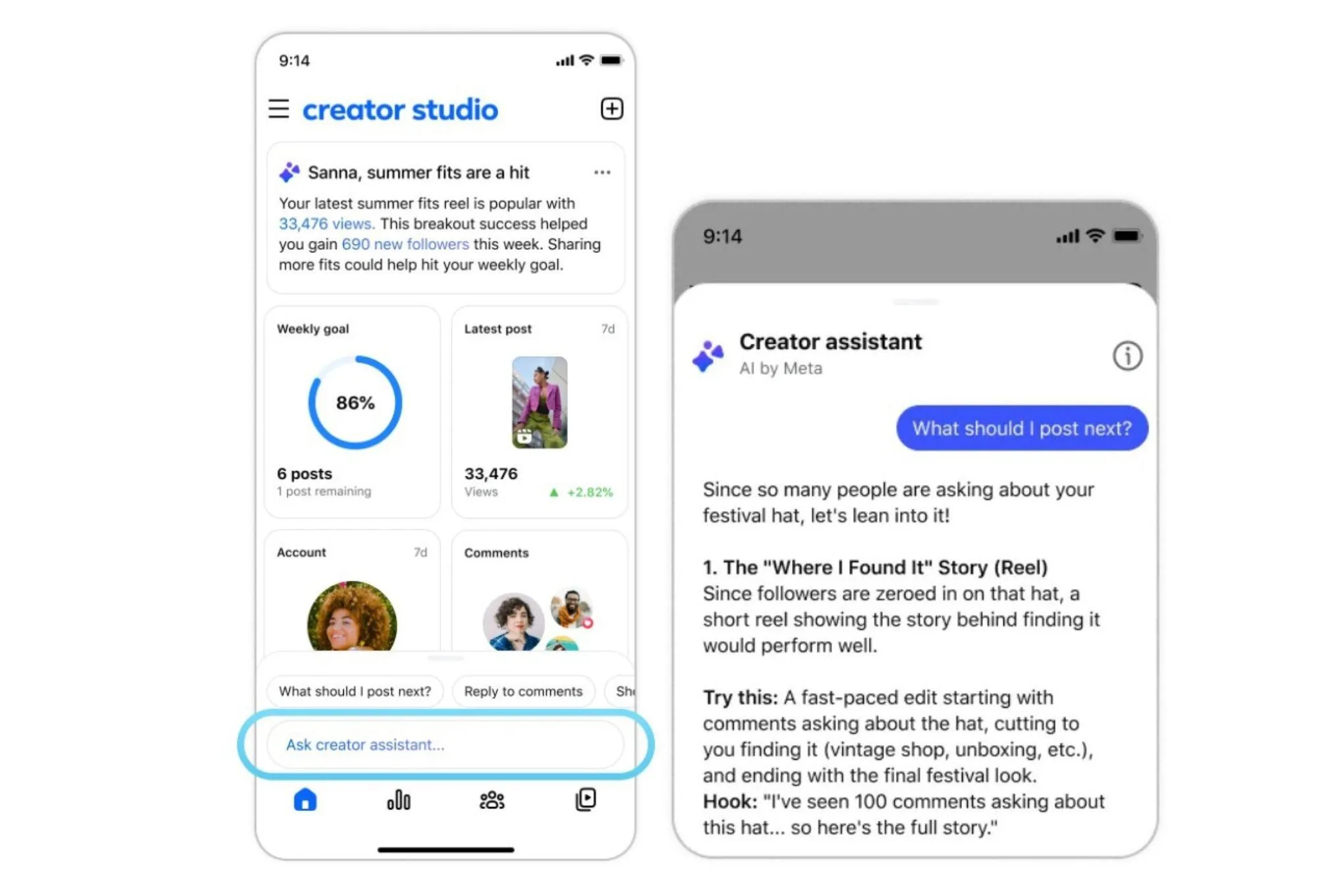
The original Creator Studio was shut down in 2023. Now it's back, rebuilt around an AI assistant that promises to grow your audience and reply to comments in your voice.
Sarah Williams · 26 Jun · 5 min
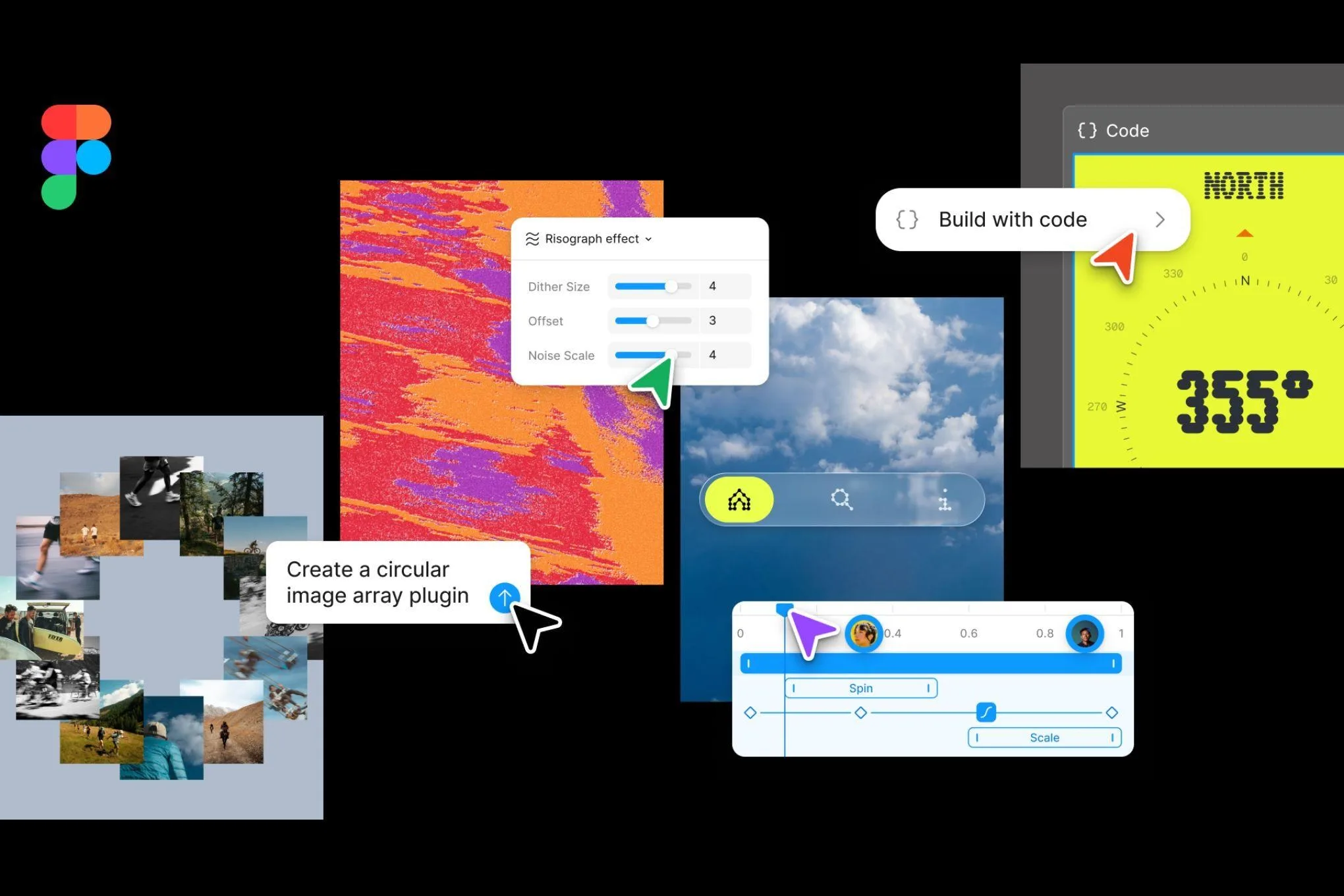
At its annual Config conference, Figma announced coding layers, AI-generated motion graphics, and a reimagined canvas that blurs the line between design and full-stack development.
Sarah Williams · 26 Jun · 5 min
Everyone talks about chips and models. The memory bottleneck is the part of the AI buildout that keeps getting underestimated, and Micron's latest earnings make that case hard to ignore.
I've seen this movie before. When partnerships work, everyone's best friends. When one partner starts feeling like they're giving more than they're getting, suddenly independence sounds pretty good. Microsoft poured billions into OpenAI, got early access to GPT models, built Copilot on that foundation. But relying on a partner for your core technology is uncomfortable, especially when that partner keeps making headlines for reasons that have nothing to do with model quality.
MAI-Thinking-1 is Microsoft's insurance policy. Maybe it works out and becomes their primary model. Maybe it's leverage for the next round of negotiations. Maybe it's both! But what do I know, I'm just a guy who remembers when Microsoft's AI strategy was Clippy.
The timing here is worth noting. Microsoft introduced its initial in-house models last year, the MAI-1 series that nobody really talked about. Those were positioning moves, proof of concept stuff. MAI-Thinking-1 is different. Calling something your "flagship" model means you're ready to compete, or at least ready to say you're ready to compete.
The Verge covered the announcement alongside the other models Microsoft dropped at Build, and there were a lot of them. Seven new models total, covering coding, image generation, voice, the whole spread. Microsoft's not just dipping a toe in anymore.
But here's what we don't know yet, and this is the part that actually matters:
How does MAI-Thinking-1 perform on tasks that aren't benchmarks? Benchmarks are like job interviews, everyone looks good in a controlled setting
What's the inference cost compared to GPT-4 or Claude? Microsoft didn't disclose pricing or efficiency numbers
Will this actually replace OpenAI models in Microsoft products, or run alongside them?
How does "clean data" training affect the model's capabilities? Training without distillation is principled, but it's also harder
The benchmark claims are particularly slippery. "Key" software engineering benchmarks could mean anything. It could mean they cherry-picked the three tests where their model does well and ignored the twenty where it doesn't. It could mean they're genuinely competitive across the board. We won't know until independent researchers get their hands on it, and even then, benchmarks only tell you so much.
I talked to a researcher last month (off the record, so don't ask) who made a point that stuck with me. She said the benchmark obsession in AI is like judging a chef entirely by how fast they can chop onions. Sure, speed matters, but it's not the whole picture. Real-world performance, reliability, edge cases, the stuff that makes or breaks actual products, that takes months of deployment to understand.
Microsoft's in a weird position here. They've got the distribution, obviously. Azure, Office, Windows, GitHub, LinkedIn, they can put AI anywhere and everywhere. What they haven't had is the model advantage. OpenAI had the models, Microsoft had the pipes. Now Microsoft's trying to have both, and that's a much harder game.
The "reasoning" label is doing a lot of work in this announcement too. Reasoning models, the ones that show their work and think through problems step by step, have been the hot thing since OpenAI's o1 dropped. Anthropic's got Claude doing chain-of-thought, Google's been pushing Gemini's reasoning capabilities. Microsoft needed a reasoning model to stay in the conversation, and now they've got one. Whether it's actually good at reasoning or just good at looking like it's reasoning, well, that's the question isn't it.
Call me old-fashioned, but I'm skeptical of any model announcement that leads with benchmark comparisons. Show me the products. Show me the deployments. Show me the enterprise customers who switched from GPT-4 to MAI-Thinking-1 and didn't switch back. That's the data that matters.
The clean data claim is probably the most significant technical detail in the whole announcement, and it got buried in the marketing copy. If Microsoft really trained this model without distillation from third-party models, that's a statement about their data infrastructure and their willingness to invest in the hard way of doing things. It's also potentially a legal hedge, given all the copyright lawsuits flying around. Training on "clean data" sounds a lot better in a courtroom than training on whatever you could scrape.
ZDNet noted that MAI-Thinking-1 is just one piece of a bigger model portfolio Microsoft unveiled. The company's clearly going for breadth, a model for every use case. That's the enterprise playbook, give customers options and lock them into the ecosystem. It's smart strategy even if individual models aren't best-in-class.
So where does this leave us? Microsoft has a reasoning model now. It might be good, it might be mediocre, it's too early to say with any confidence. What's clear is that Microsoft's no longer content to be the distribution partner while someone else builds the brains. They want to own the whole stack, and MAI-Thinking-1 is the first real move in that direction.
I've watched enough tech cycles to know that the company with the best technology doesn't always win. Sometimes the company with the best distribution wins. Sometimes the company that's just good enough and everywhere wins. Microsoft's betting they can be both, and honestly, they might be right. They've got the resources, they've got the talent (they've been poaching AI researchers for years), and they've got the motivation now that the OpenAI relationship is cooling.
But I've also watched enough tech cycles to know that building world-class AI models is genuinely hard, and being a fast follower is different from being a leader. Microsoft's playing catch-up here, even if they won't admit it. MAI-Thinking-1 matching leading models is the floor, not the ceiling. The question is whether Microsoft can get ahead, or whether they're destined to always be one generation behind.
If you want to argue about any of this, my email's on the about page. I read every one, even if I don't always respond. Especially the ones that tell me I'm wrong.