Anthropic's 'Too Dangerous' AI Is Now Available to 150 Organizations. Should We Be Worried?
The company said Mythos was too risky for public release. Now it's handing out access like conference swag.
Bildnachweis: Image via source article. Used under fair use for news commentary. · source
Is it just me, or does "too dangerous to release publicly" mean something different than it used to?
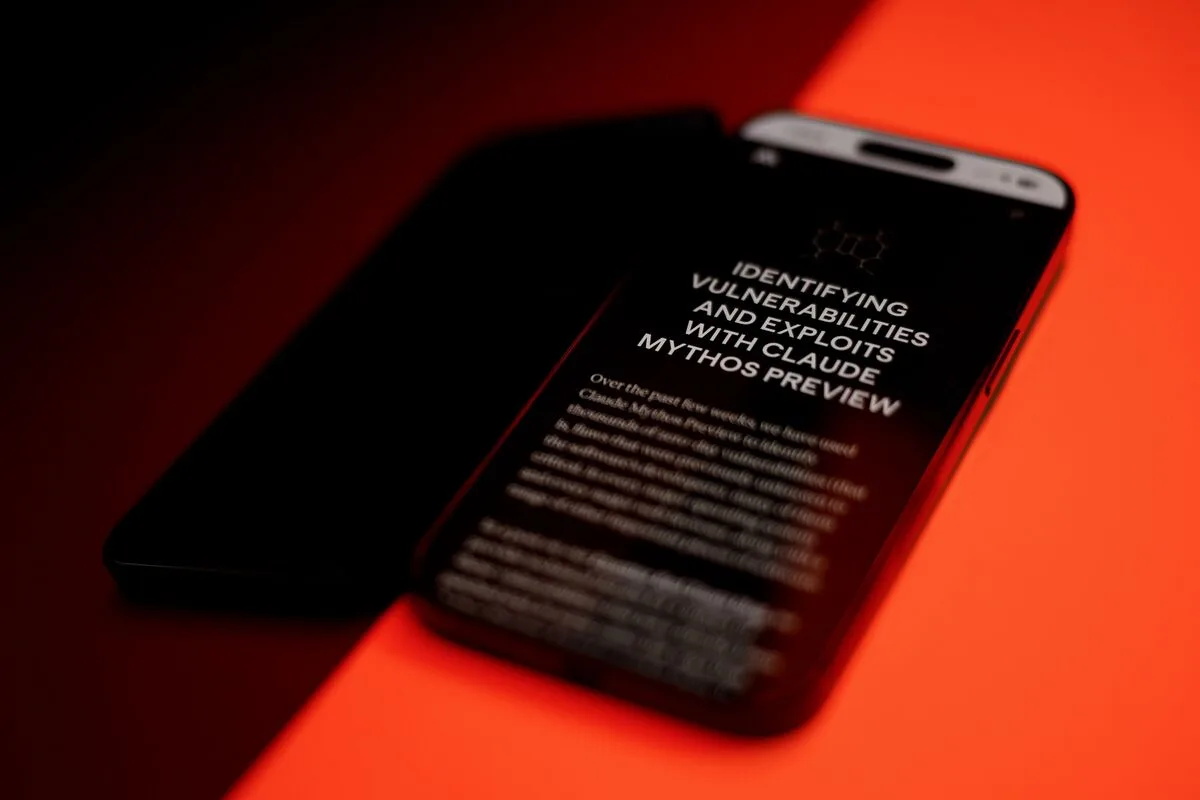
Last week, Anthropic announced it's giving 150 organizations access to Mythos, its AI model designed specifically to find and exploit cybersecurity vulnerabilities. This is the same model the company previously said was too risky to make widely available. Now the EU's cybersecurity agency, ENISA, is getting access too.
I initially thought this was Anthropic backing down from its safety stance. After reading more about it, I think the reality is messier, and honestly, more interesting.
The "Controlled Release" Argument
Here's what Anthropic seems to be doing: instead of releasing Mythos to everyone (which, fair, would be chaotic), they're picking who gets to use it. Government agencies. Security researchers. Organizations that presumably won't immediately use it to break into hospital networks.
The logic makes sense on paper. A tool that finds vulnerabilities is only as dangerous as who's wielding it. Give it to defenders, not attackers, and you've theoretically made the internet safer.
But 150 organizations is... a lot? I should know this better, but I couldn't find details on Anthropic's vetting process for these groups. Who decides which 150 make the cut? What's the criteria? The company didn't disclose specifics, at least not in anything I could find.
The Problem With "Trusted" Access
You might be wondering why this matters for robotics coverage. Here's the thing: embodied AI systems are increasingly networked. The humanoid in your warehouse talks to the cloud. The delivery robot pings servers constantly. If Mythos can find exploits in computer systems, it can presumably find exploits in robot control infrastructure.
Verwandte Beiträge
More in AI Models
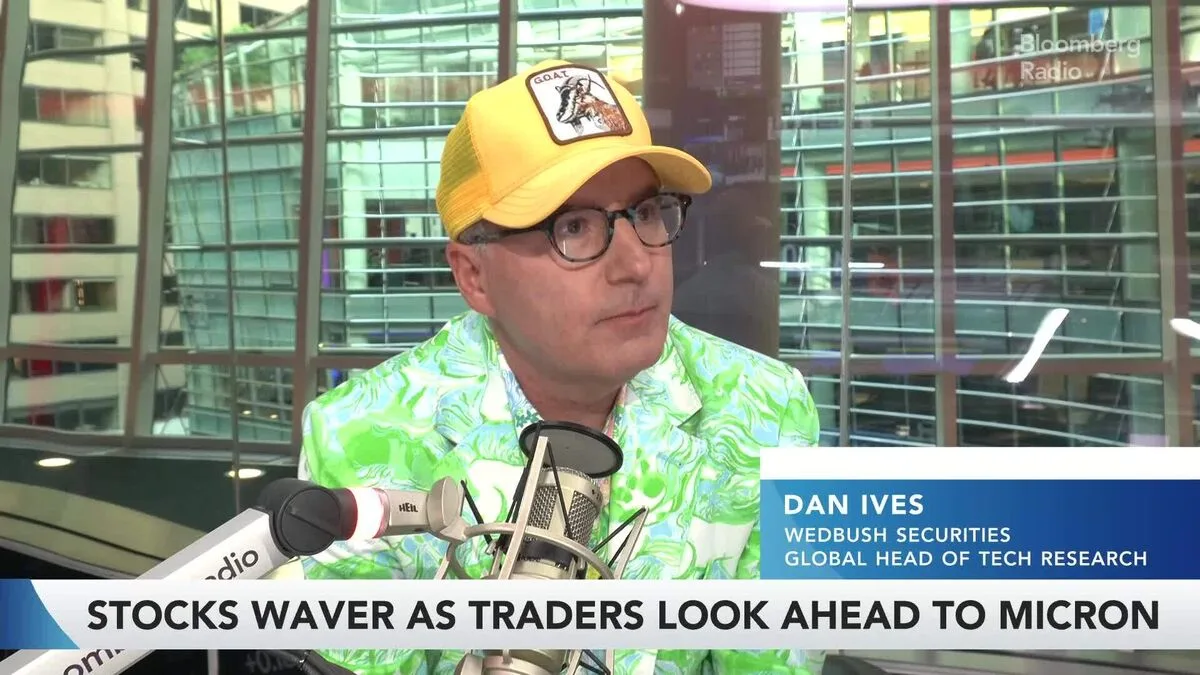
Chipmakers swung wildly this week, from a Tuesday 'chip-wreck' to a Micron-led surge after hours. What's actually going on with AI's hardware backbone?
Sarah Williams · 26 Jun · 5 min
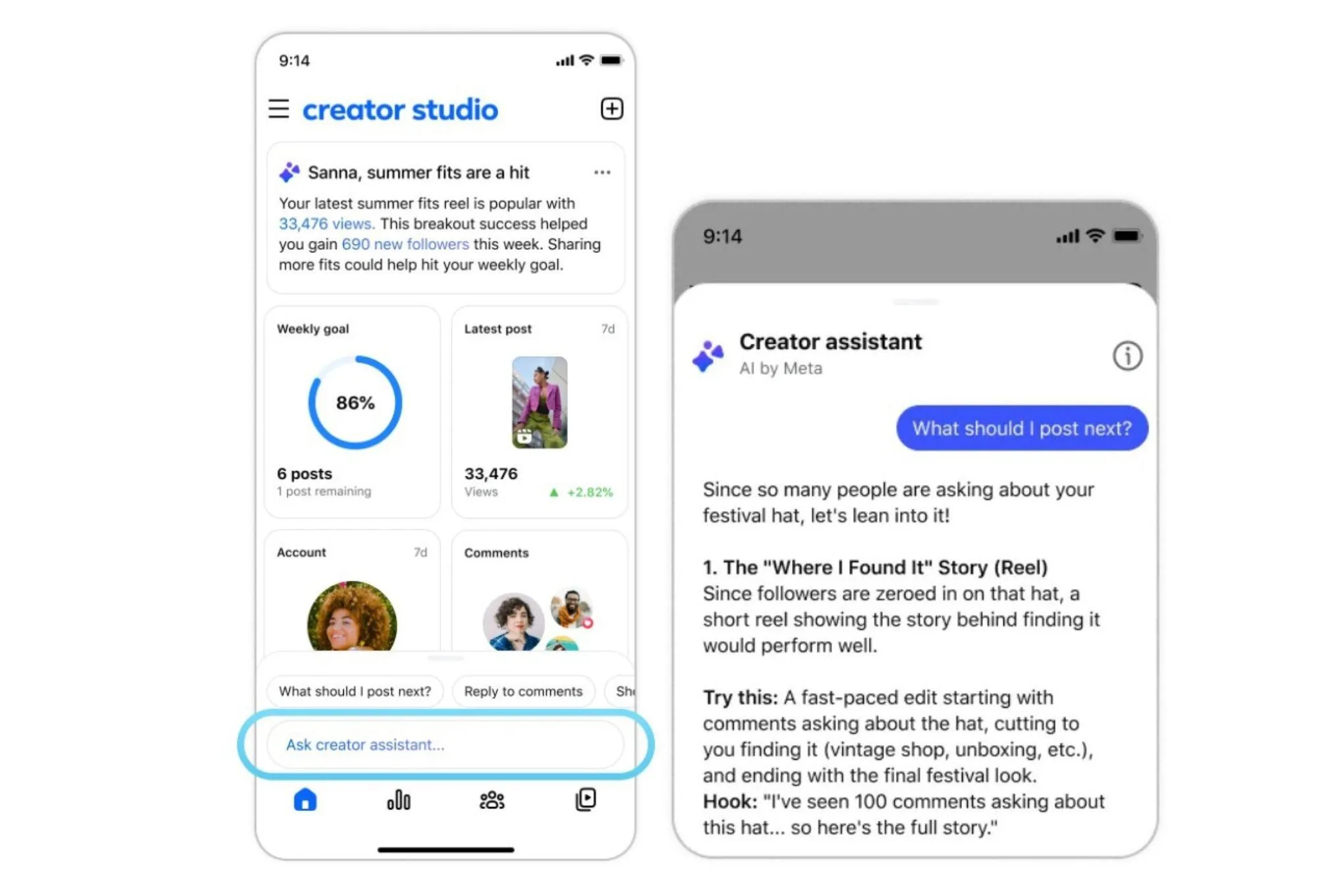
The original Creator Studio was shut down in 2023. Now it's back, rebuilt around an AI assistant that promises to grow your audience and reply to comments in your voice.
Sarah Williams · 26 Jun · 5 min
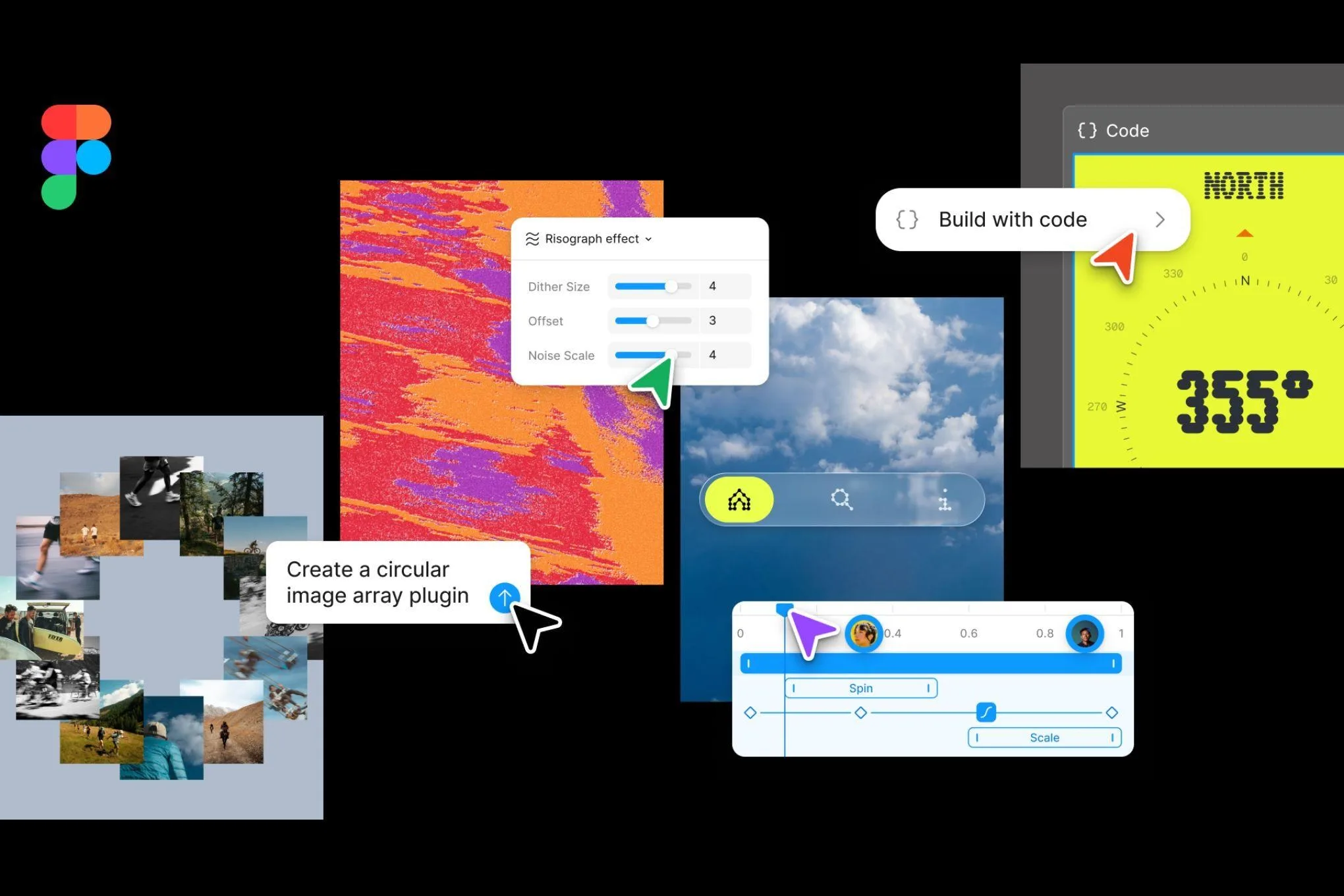
At its annual Config conference, Figma announced coding layers, AI-generated motion graphics, and a reimagined canvas that blurs the line between design and full-stack development.
Sarah Williams · 26 Jun · 5 min
Everyone talks about chips and models. The memory bottleneck is the part of the AI buildout that keeps getting underestimated, and Micron's latest earnings make that case hard to ignore.