Bildnachweis: Image via TechCrunch — AI. Used under fair use for news commentary. · source
Remember when every dot-com with a URL and a business plan was racing to ring the opening bell? When the Nasdaq was basically a conveyor belt of half-baked ideas dressed up in prospectuses? I do. And watching what TechCrunch is calling "hot IPO summer" play out in real time, I'm getting that same feeling in my stomach.
The acronym this time is MANGOS: Meta (or Microsoft, depending on who you ask), Anthropic, Nvidia, Google, OpenAI, and SpaceX. Half of them are apparently heading to public markets in the same window. The same window! That's not a coincidence, that's a feeding frenzy, and retail investors are the ones who tend to get eaten.
Now, I'm not saying any of these companies are frauds. They're not. But the timing, the clustering, the sheer enthusiasm around this moment, it all rhymes with something I've watched happen before. Twice, actually.
Sure, that's one way to read it. The IPO market was basically frozen for two years. High interest rates, a jittery Fed, the hangover from the SPAC disaster of 2021. So some pent-up supply hitting the market at once makes sense on paper.
But there's a difference between a market recovering and a market getting ahead of itself, and right now it's genuinely hard to tell which one we're watching. That's not me being pessimistic, that's just the honest read. It's too early to say whether this wave of AI-adjacent listings reflects durable value or whether we're pricing in a future that hasn't arrived yet.
Verwandte Beiträge
More in AI Models
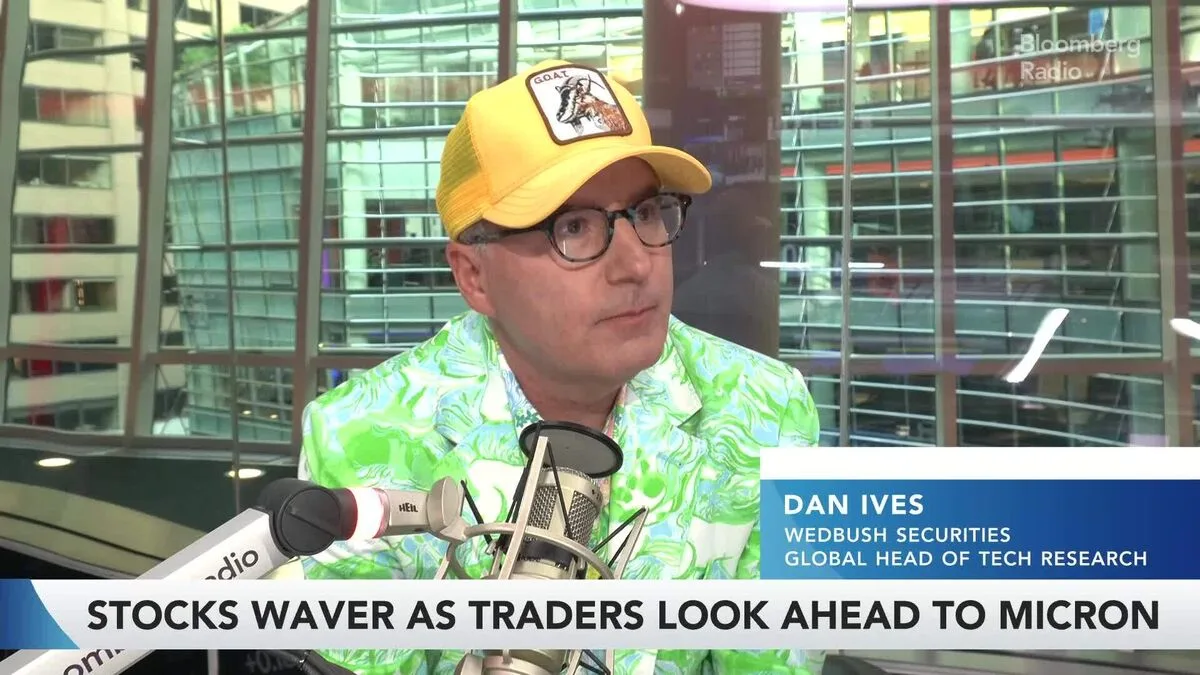
Chipmakers swung wildly this week, from a Tuesday 'chip-wreck' to a Micron-led surge after hours. What's actually going on with AI's hardware backbone?
Sarah Williams · 26 Jun · 5 min
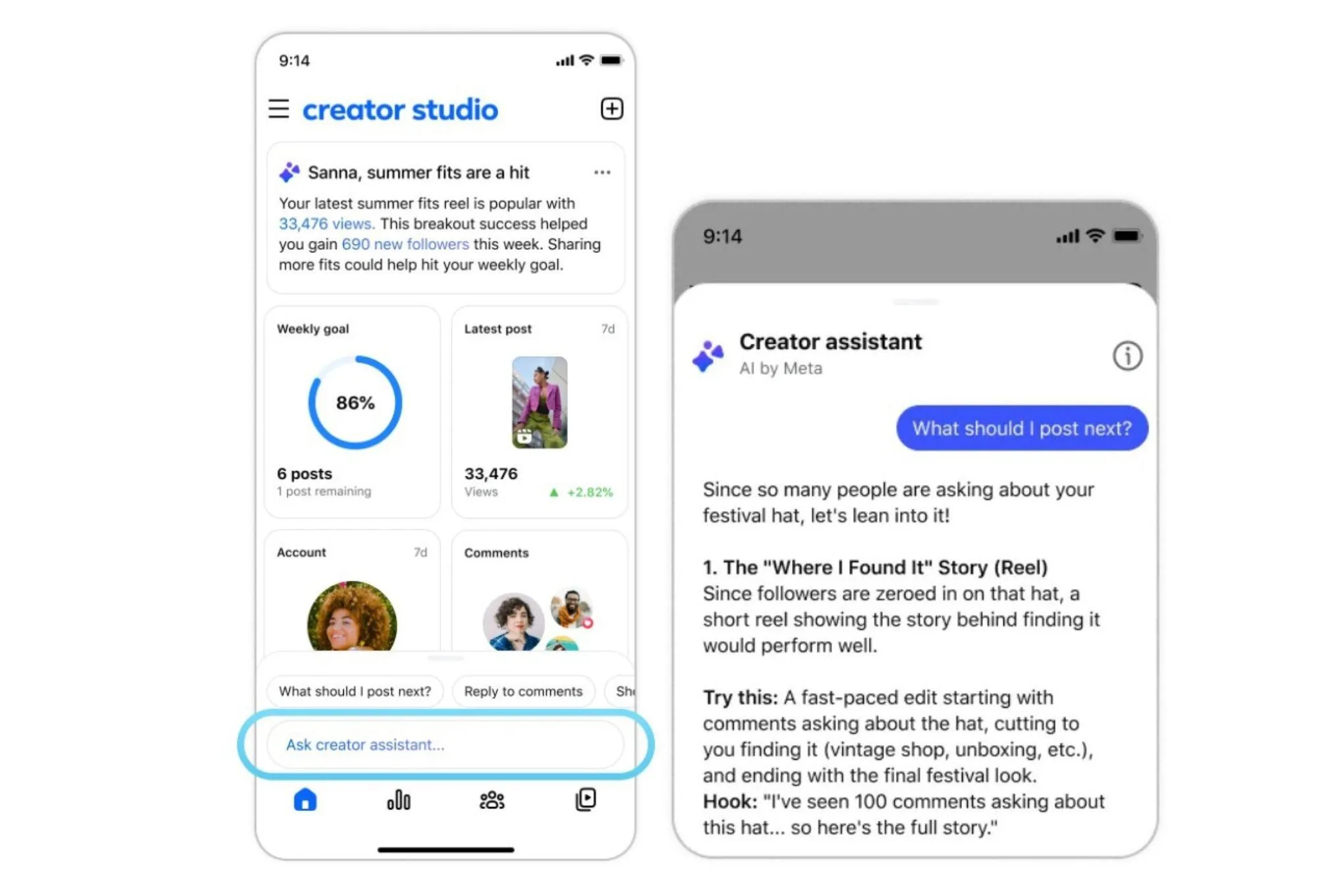
The original Creator Studio was shut down in 2023. Now it's back, rebuilt around an AI assistant that promises to grow your audience and reply to comments in your voice.
Sarah Williams · 26 Jun · 5 min
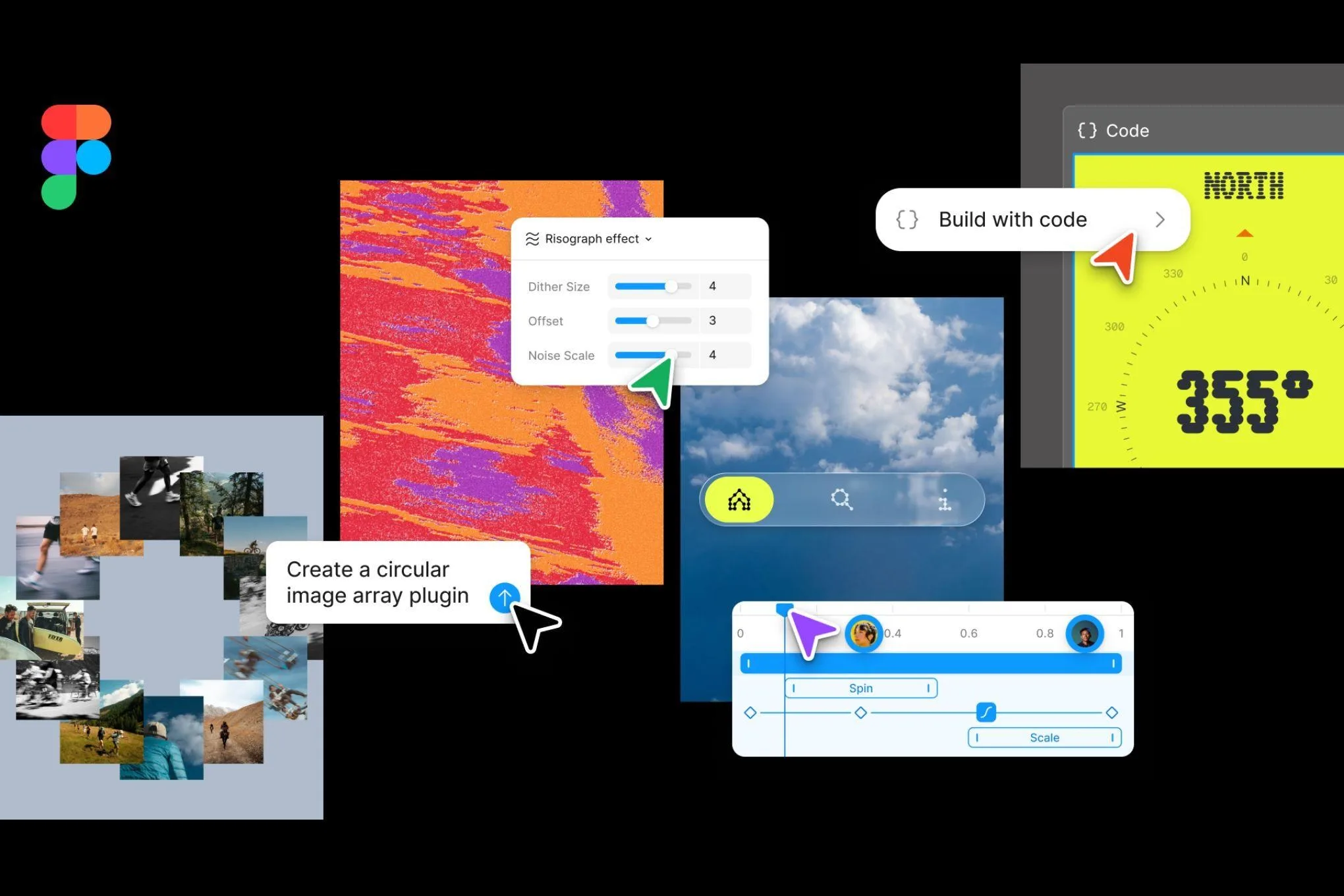
At its annual Config conference, Figma announced coding layers, AI-generated motion graphics, and a reimagined canvas that blurs the line between design and full-stack development.
Sarah Williams · 26 Jun · 5 min
Everyone talks about chips and models. The memory bottleneck is the part of the AI buildout that keeps getting underestimated, and Micron's latest earnings make that case hard to ignore.
The companies in the MANGOS basket aren't all the same animal, either. Nvidia is a mature, profitable semiconductor company with real revenue and real margins. Grouping it with Anthropic, which has never turned a profit and is burning cash at a rate that would make a Vegas casino blush, is the kind of thing that sounds clever in a headline but obscures more than it reveals.
SpaceX is its own category entirely. Rockets and AI infrastructure have almost nothing in common except that Elon Musk is adjacent to both, and that's a pretty thin thread to hang a market thesis on.
This is where the reporting gets a little murky, and I'll be honest that both sources I found on this are covering the same story with roughly the same level of detail, so there are limits to what I can tell you with confidence.
What we know is that Anthropic and OpenAI have both been the subject of persistent IPO speculation, with timelines that keep shifting. OpenAI's structure is genuinely complicated, it's been a capped-profit entity for years and only recently began restructuring toward a more conventional corporate form, which is a prerequisite for any public offering. Whether that process is complete enough to support an IPO in the near term remains unclear.
Anthropichas raised somewhere north of $7 billion in private funding at last count, with Amazon and Google both writing enormous checks. The valuation figures floating around are in the $18 billion range, though that number is sort of a moving target depending on the month and who's doing the estimating.
SpaceX going public would be the biggest story of the bunch, honestly. The company has reportedly resisted public markets for years, in part because Musk has said he doesn't want short-term investor pressure affecting long-duration bets like Mars colonization. Whether that philosophy has changed, or whether the IPO talk is just another round of speculation, I can't say for certain. The company didn't disclose specific plans in any of the materials I reviewed.
Fair question, and here's my answer: because money flows.
When AI companies go public and retail investors pile in, the capital that gets unlocked doesn't stay in language models. It bleeds into adjacent sectors. Autonomous vehicles. Industrial robotics. Drone logistics. The whole stack that this publication covers starts getting valued on AI multiples instead of hardware multiples, and that creates distortions that take years to unwind.
I've seen this movie before, specifically in 2017 and 2018 when self-driving hype was at its absolute peak. Every automaker was announcing partnerships, every startup was claiming five-year timelines to full autonomy, and the money was flowing so fast that nobody was asking hard questions about unit economics or regulatory pathways. Then Uber's autonomous program had a fatal accident in Tempe, Arizona in March 2018, and the whole sector spent the next three years doing painful reality calibration.
I'm not predicting a crash. I'm saying that when capital gets exuberant, it tends to fund things that look like the hot thing rather than things that actually work, and the robotics and autonomy space is close enough to the AI center of gravity right now that it'll feel the pull.
The young founders in this space, the ones building warehouse automation and last-mile delivery systems and surgical robots, they're going to have a complicated relationship with this moment. Easier fundraising in the short term. Harder comparisons when the market cools.
If you're a sophisticated institutional player who's been in Anthropic or OpenAI since the early rounds, an IPO is an exit. You're not worried, you're celebrating. The question of whether the public price holds up after lockup expiration is someone else's problem.
If you're a retail investor reading breathless coverage about MANGOS and thinking this is your chance to get in on the AI revolution, well. Call me old-fashioned, but I'd suggest reading the S-1 filings very carefully before you do anything. Specifically the risk factors section, which tends to be where the honest writing lives in those documents.
The broader concern, and this is based on limited data since we don't have prospectuses to analyze yet, is that several of these companies are being valued on expectations that are themselves based on projections about AI adoption curves that nobody has actually validated at scale. That's a lot of assumptions stacked on top of each other.
Nvidia is the exception here. It's already printing money. The others are essentially bets on a future that seems very plausible but isn't guaranteed.
Some of these listings will go well. Nvidia, if it does anything in the public markets, will likely be fine because it has the earnings to back up its valuation. A company like Anthropic going public is a bigger gamble, and the timing, doing it while interest rates are still elevated and while the AI sector hasn't yet demonstrated the kind of enterprise revenue growth that would justify nine-figure valuations, that timing is aggressive.
The acronym game is also worth noting. FAANG was descriptive, it named companies that had already won. MANGOS is aspirational, it names companies that are expected to win. That's a subtle but important difference, and it's the kind of thing that gets glossed over when everyone's excited.
I've been covering tech since the 90s and I've watched three or four of these cycles now. They all feel different from the inside. They all look similar from a distance. The companies that survive and thrive tend to be the ones with real revenue, real margins, and real products that solve real problems. Some of the MANGOS qualify. Some of them are still working on that part.
If you want to argue about which is which, my email's on the about page.