Speech patterns may predict cognitive decline, but the AI behind it raises questions
New research shows your 'ums' and pauses could signal early dementia risk, and the detection method borrows heavily from how large language models process meaning.
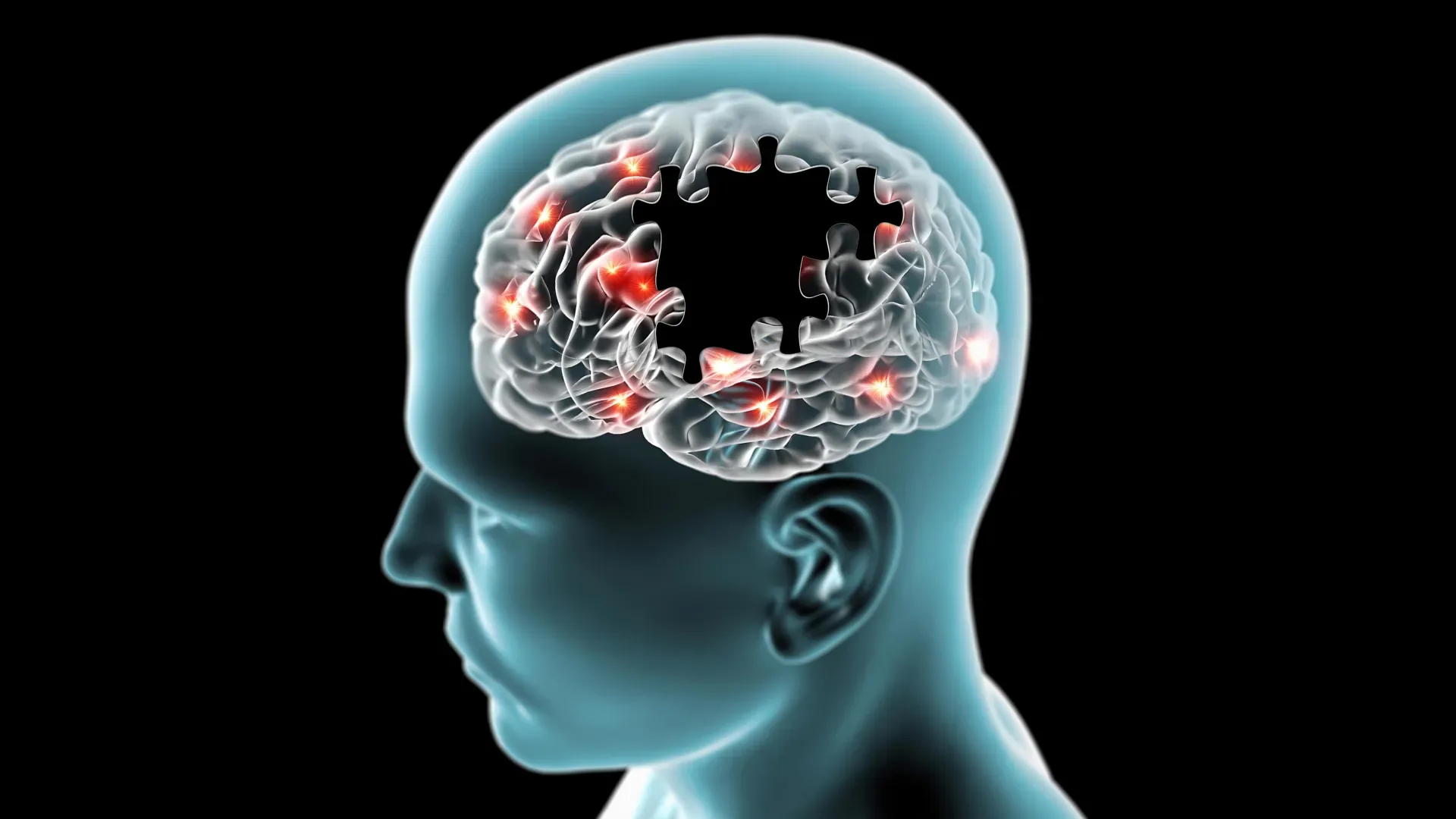
Image credit: Image via Science Daily — Robotics. Used under fair use for news commentary. · source
Picture a conversation at a family dinner. Your father pauses mid-sentence, searching for a word that was right there a moment ago. He says "um" twice, restarts, then lands on something close enough. Everyone moves on. But according to new research, those small verbal stumbles may be broadcasting something important about what's happening inside his brain.
Researchers have found that everyday speech patterns, the hesitations, fillers, and word-finding struggles we barely notice, are closely tied to executive function. That's the cognitive system responsible for memory, planning, focus, and the kind of flexible thinking that lets you switch between tasks without getting lost. The study used AI to analyze natural conversations and found it could predict cognitive performance with what the researchers describe as "surprising accuracy." The implication is significant: simple speech-based tools might eventually detect early signs of dementia years before traditional testing catches anything.
I've seen enough spec sheets to know that "surprising accuracy" is doing a lot of heavy lifting in that claim. The Science Daily coverage doesn't include the actual accuracy figures, sensitivity and specificity numbers, or details about the study's sample size. That's frustrating. Without knowing whether we're talking about 70% accuracy or 95%, it's hard to judge whether this is a genuine breakthrough or an interesting correlation that won't survive real-world deployment. The researchers clearly think they're onto something, but the real test is whether this holds up across diverse populations, different languages, and varying recording conditions.
What makes this research particularly interesting is what it suggests about how the brain processes language in the first place. A separate study tracked brain activity while people listened to a long podcast, and found that meaning appears to unfold step by step in the brain, layered processing that looks remarkably similar to how GPT-style language models work. The report on this work frames it as evidence that the human brain "may work more like AI than anyone expected."
Related coverage
More in AI Models
Chipmakers swung wildly this week, from a Tuesday 'chip-wreck' to a Micron-led surge after hours. What's actually going on with AI's hardware backbone?
Sarah Williams · 26 Jun · 5 min
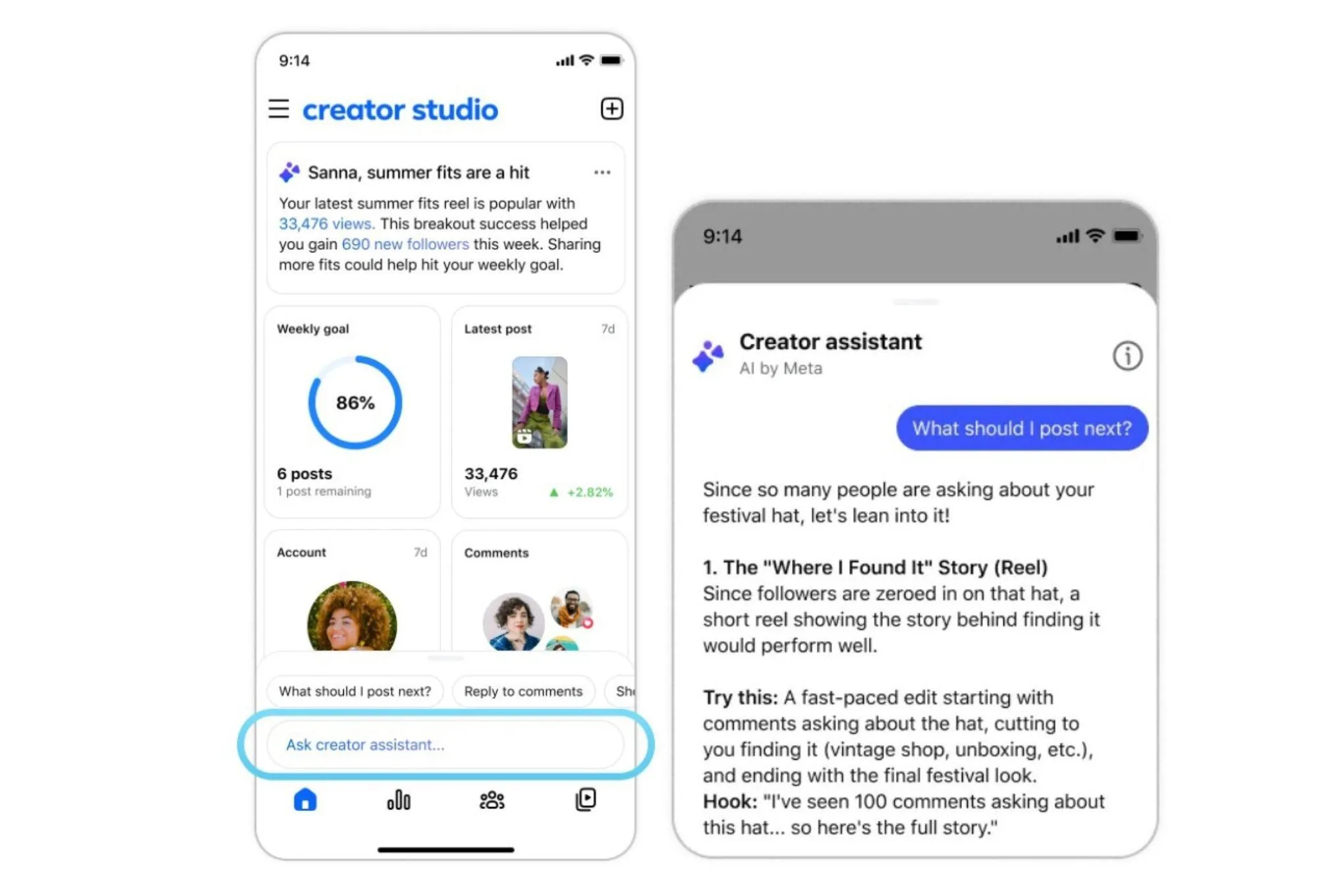
The original Creator Studio was shut down in 2023. Now it's back, rebuilt around an AI assistant that promises to grow your audience and reply to comments in your voice.
Sarah Williams · 26 Jun · 5 min
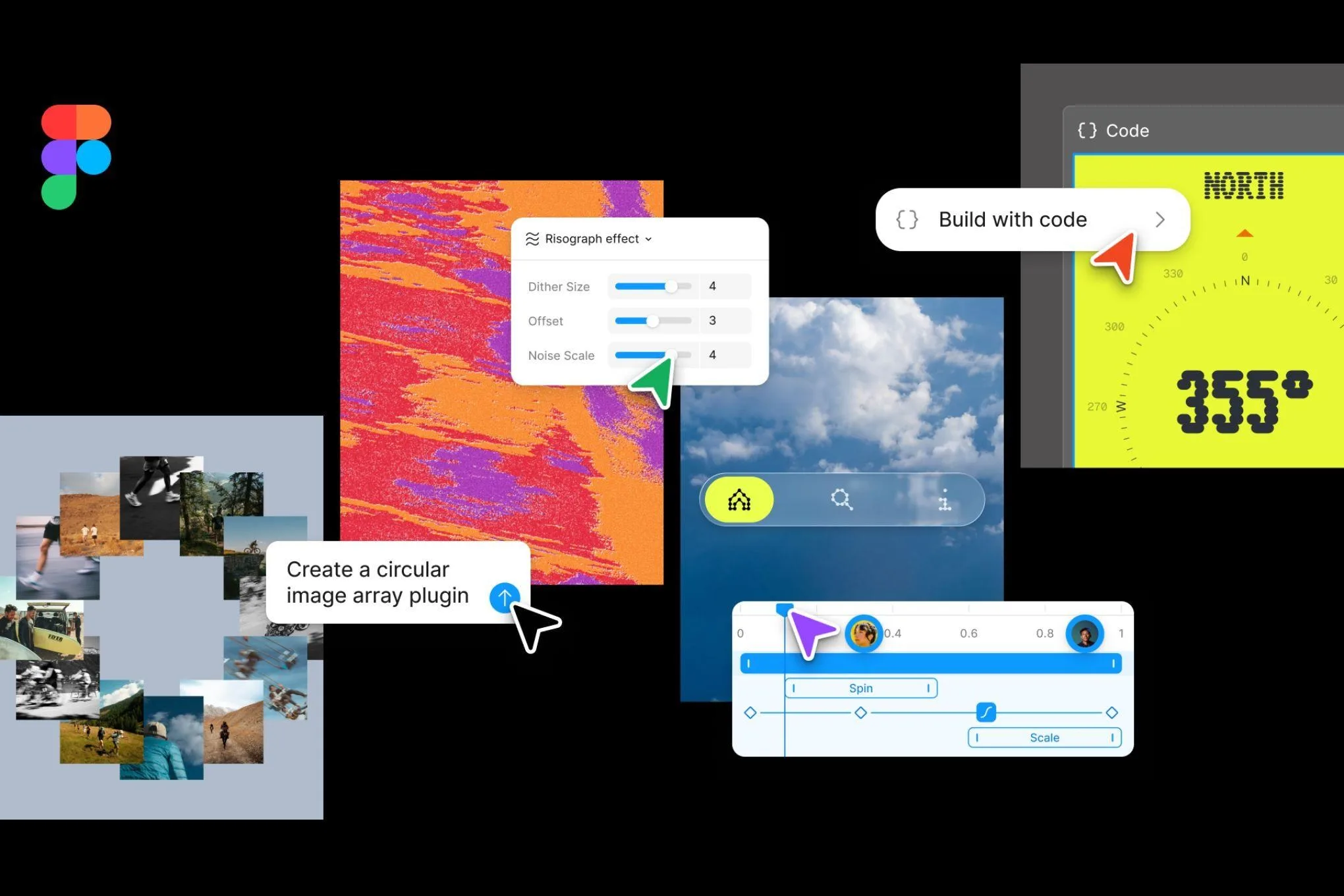
At its annual Config conference, Figma announced coding layers, AI-generated motion graphics, and a reimagined canvas that blurs the line between design and full-stack development.
Sarah Williams · 26 Jun · 5 min
Everyone talks about chips and models. The memory bottleneck is the part of the AI buildout that keeps getting underestimated, and Micron's latest earnings make that case hard to ignore.
Look, I'm always cautious when someone claims biological systems mirror artificial ones. It's tempting to see patterns that aren't really there, or to flatten important differences for the sake of a clean narrative. But the parallel here is worth taking seriously. If both human brains and large language models build meaning through similar hierarchical processes, then AI systems trained on speech might genuinely be capturing something fundamental about cognition rather than just pattern-matching surface features.
The connection between these two findings raises questions that neither study fully addresses. If AI can detect cognitive decline through speech analysis, is it picking up on the same layered processing that makes human language comprehension work? Or is it finding statistical regularities that happen to correlate with decline without reflecting the underlying mechanism? The distinction matters. A tool that understands why certain speech patterns signal trouble would likely be more robust and generalizable than one that's just memorized correlations from a training dataset.
From my time in hardware, I learned that the gap between a promising lab result and a deployable system is where most innovations go to die. Speech-based cognitive screening sounds elegant in theory. Record a conversation, run it through an AI model, get a risk score. No expensive brain scans, no lengthy neuropsychological batteries, no need for a specialist. But the engineering challenges are substantial. Background noise, microphone quality, regional accents, bilingual speakers, people who are naturally verbose versus those who aren't, all of these could confound a system trained on controlled research data.
There's also the question of what you do with the information. Early detection of dementia risk is only valuable if there's something to be done about it. Current treatments for Alzheimer's and other dementias are, to put it charitably, limited. Knowing five years earlier that someone is at elevated risk might enable lifestyle interventions, clinical trial enrollment, or financial and legal planning. But it might also create anxiety without offering much in the way of actionable next steps. The ethics of screening are never simple, and they get more complicated when the screening tool is an AI system whose decision-making process isn't fully transparent.
The researchers behind the speech analysis work seem aware of at least some of these limitations, though the coverage I found doesn't go into detail about their proposed path from research to clinical application. That's a red flag, or at least a yellow one. Academic papers often end with vague gestures toward "potential clinical applications" without grappling with the regulatory, logistical, and ethical hurdles involved. I'd want to see a clearer roadmap before getting too excited.
What does seem clear is that speech is a richer source of cognitive information than most people realize. We tend to think of language as content, the words we choose and the ideas we express. But the mechanics of how we produce those words, the timing, the hesitations, the repairs we make when something comes out wrong, encode information about the systems generating them. It's a bit like how, in industrial automation, you can often diagnose a machine's problems by listening to it run. The sounds aren't the point of the operation, but they reveal what's happening inside.
The comparison to AI language models adds another layer to this. If the brain really does process language in a way that resembles transformer architectures, then the tools we've built to analyze AI systems might have unexpected applications to neuroscience. Interpretability research, the work being done to understand what's happening inside large language models, could potentially inform our understanding of human cognition. It's speculative, but it's the kind of cross-pollination that occasionally produces genuine insights.
I should note that "closely resembles" is doing some work here too. The brain and GPT-style models both process information in layers, but the details differ enormously. Neurons aren't matrix multiplications. Attention mechanisms in transformers aren't identical to whatever the brain does when it focuses on one thing rather than another. The analogy is useful but imperfect, and it would be a mistake to take it too literally.
Still, the convergence is striking. We built AI systems to process language by stacking layers of computation, each one building on the outputs of the last. Then we looked at the brain and found something structurally similar. Either we accidentally stumbled onto a fundamental principle of how language processing has to work, or we're seeing patterns because we're primed to see them. Probably some of both.
The practical implications remain unclear. If speech-based cognitive screening works as advertised, it could eventually become part of routine primary care. Your doctor's office might record a brief conversation and flag patients for follow-up testing. That's an appealing vision, particularly for underserved populations who don't have easy access to neurologists or expensive imaging. But we're years away from that, at minimum. The research needs to be replicated, the tools need to be validated across diverse populations, regulatory approval needs to happen, and clinicians need to figure out how to integrate the results into their workflows.
There's also a privacy dimension that deserves more attention than it typically gets. Speech is biometric data. A system that can detect cognitive decline from a conversation could presumably detect other things too. Emotional states, personality traits, maybe even psychiatric conditions. The same technology that helps catch dementia early could be repurposed for surveillance, employment screening, or insurance risk assessment. These concerns aren't reasons to stop the research, but they're reasons to think carefully about how it gets deployed.
For now, the takeaway is more modest than the headlines suggest. We have early evidence that speech patterns correlate with cognitive function, and we have separate evidence that the brain processes language in ways that parallel AI systems. Both findings are interesting. Neither is ready for clinical application. The gap between "AI can predict cognitive performance with surprising accuracy" and "here's a reliable tool your doctor can use" is, well, it's the gap where the hard work happens.
I'll be watching for follow-up studies that include the methodological details missing from the initial coverage. Sample sizes, demographic breakdowns, accuracy metrics broken out by subgroup, comparisons to existing screening tools. That's the information that will tell us whether this is a genuine advance or another promising result that doesn't replicate. In the meantime, if you find yourself pausing more often or reaching for words that won't come, it's probably nothing. But it's interesting that an AI might, someday, be able to tell you for sure.