SK Hynix Is Raising $29 Billion in the US. Have We Seen This Movie Before?
The Korean memory giant wants to list on a US exchange and pull in $29.4 billion to feed AI chip demand. It's a massive bet, and the timing raises some questions.
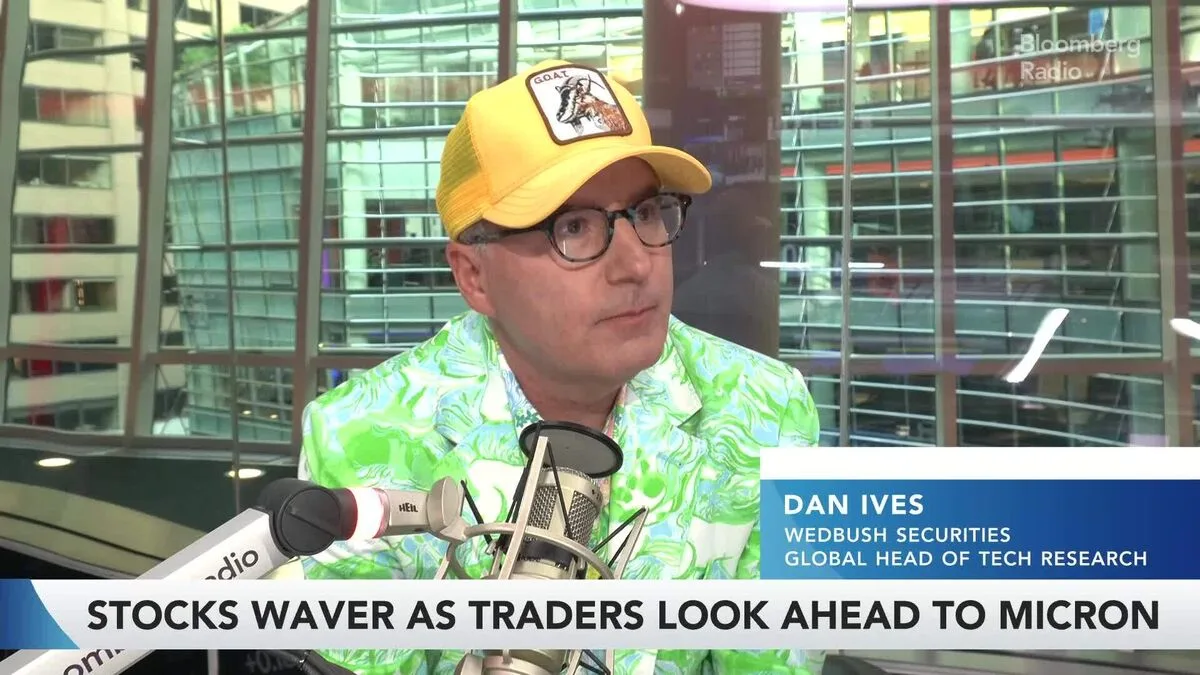
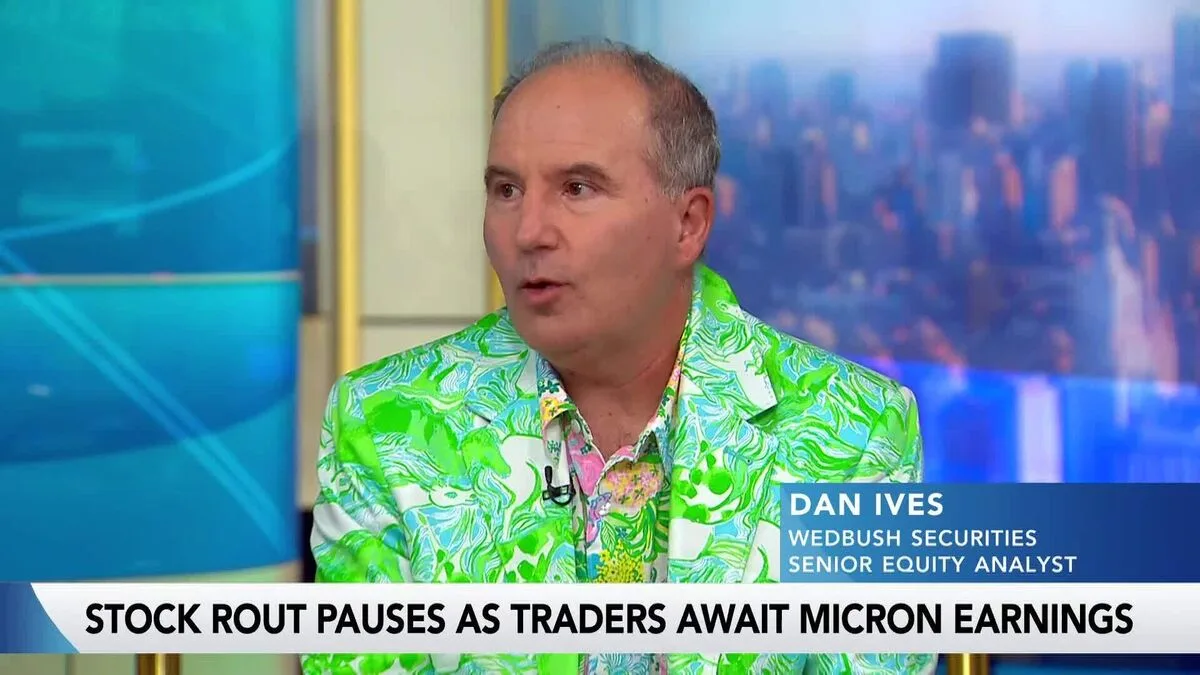
Image credit: Image via Bloomberg — Technology. Used under fair use for news commentary. · source
Is this the moment memory chips finally get their dot-com IPO era? Because that's sort of what it feels like watching SK Hynix announce plans to raise 45.45 trillion won, which works out to roughly $29.4 billion, through a landmark US listing expected to start trading on July 10. If the exchange rate cooperates, Bloomberg is reporting this could rank among the top five share sales of all time. Let that sink in for a second.
I've covered tech since the 90s, and I've seen this movie before. Company rides a massive demand wave, taps capital markets at the peak of enthusiasm, raises eye-watering sums, and then everyone spends the next three years arguing about whether the underlying demand was ever as durable as the bankers promised. Sometimes it works out. Sometimes it really, really doesn't. I'm not saying SK Hynix is about to become Pets.com. I'm saying the structure of this moment feels familiar in ways that deserve more scrutiny than the breathless headlines are giving it.
What SK Hynix is actually doing here is positioning itself as the picks-and-shovels play on AI infrastructure, and honestly, that pitch isn't wrong. Memory chips, particularly high-bandwidth memory, are the unglamorous but absolutely essential component sitting inside every serious AI accelerator. You want to train a frontier model? You need HBM. You want to run inference at scale? You need HBM. SK Hynix is one of the handful of companies on the planet that can actually make the stuff at volume, and right now demand is outrunning supply hard enough that their customers are reportedly signing multi-year commitments just to get in the queue.
So the business case isn't crazy. The AI supply chain is genuinely scrambling to add capacity, and that's not hype, that's procurement emails and signed contracts. The question isn't whether AI needs memory chips. The question is whether $29.4 billion in new capital, raised at what appears to be a moment of peak investor enthusiasm for anything with "AI" in the pitch deck, is going to look smart in five years.
Related coverage
More in AI Models
Chipmakers swung wildly this week, from a Tuesday 'chip-wreck' to a Micron-led surge after hours. What's actually going on with AI's hardware backbone?
Sarah Williams · 26 Jun · 5 min
The original Creator Studio was shut down in 2023. Now it's back, rebuilt around an AI assistant that promises to grow your audience and reply to comments in your voice.
Sarah Williams · 26 Jun · 5 min
At its annual Config conference, Figma announced coding layers, AI-generated motion graphics, and a reimagined canvas that blurs the line between design and full-stack development.
Sarah Williams · 26 Jun · 5 min
Everyone talks about chips and models. The memory bottleneck is the part of the AI buildout that keeps getting underestimated, and Micron's latest earnings make that case hard to ignore.