Image credit: Image via source article. Used under fair use for news commentary. · source
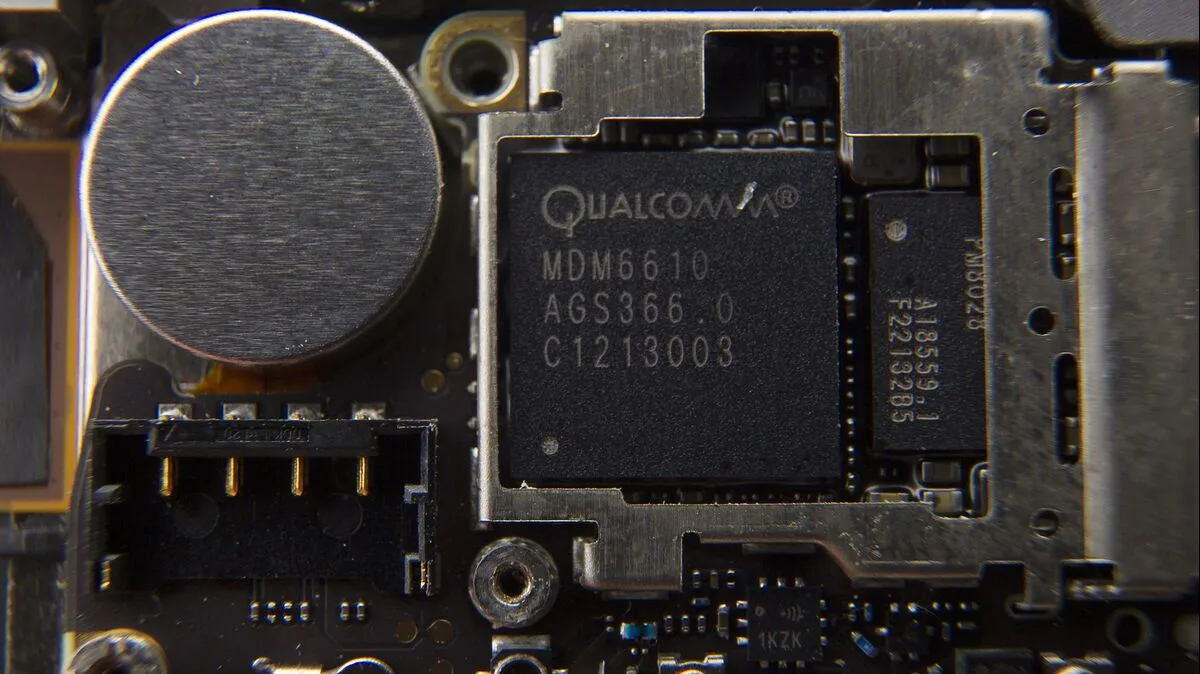
So Qualcomm's getting into the AI data center business now? That's the question I've been fielding from old colleagues since Bloomberg broke the news about their deal with ByteDance.
Look, here's the thing. I've watched Qualcomm for decades. They make excellent mobile processors. The Snapdragon line powers half the Android phones on the planet. But AI data center chips? That's a different animal entirely.
The details are thin, which is typical for these announcements. Bloomberg reports that Qualcomm will supply chips to ByteDance for artificial intelligence data centers, but we don't know volumes, we don't know timelines, and we don't know which specific silicon we're talking about.
Is this their existing server chips getting a new customer? Or something purpose-built for ByteDance's needs? The company didn't disclose exact figures, and ByteDance isn't exactly chatty with Western press these days.
What we do know is that ByteDance runs one of the most compute-hungry operations on the planet. TikTok's recommendation algorithm is legendary for a reason. It chews through inference workloads at a scale that would make most data center operators weep.
I'll be honest, I'm skeptical. Not because Qualcomm lacks engineering talent (they don't), but because the AI chip market is brutally competitive right now.
Related coverage
More in AI Models
Chipmakers swung wildly this week, from a Tuesday 'chip-wreck' to a Micron-led surge after hours. What's actually going on with AI's hardware backbone?
Sarah Williams · 26 Jun · 5 min
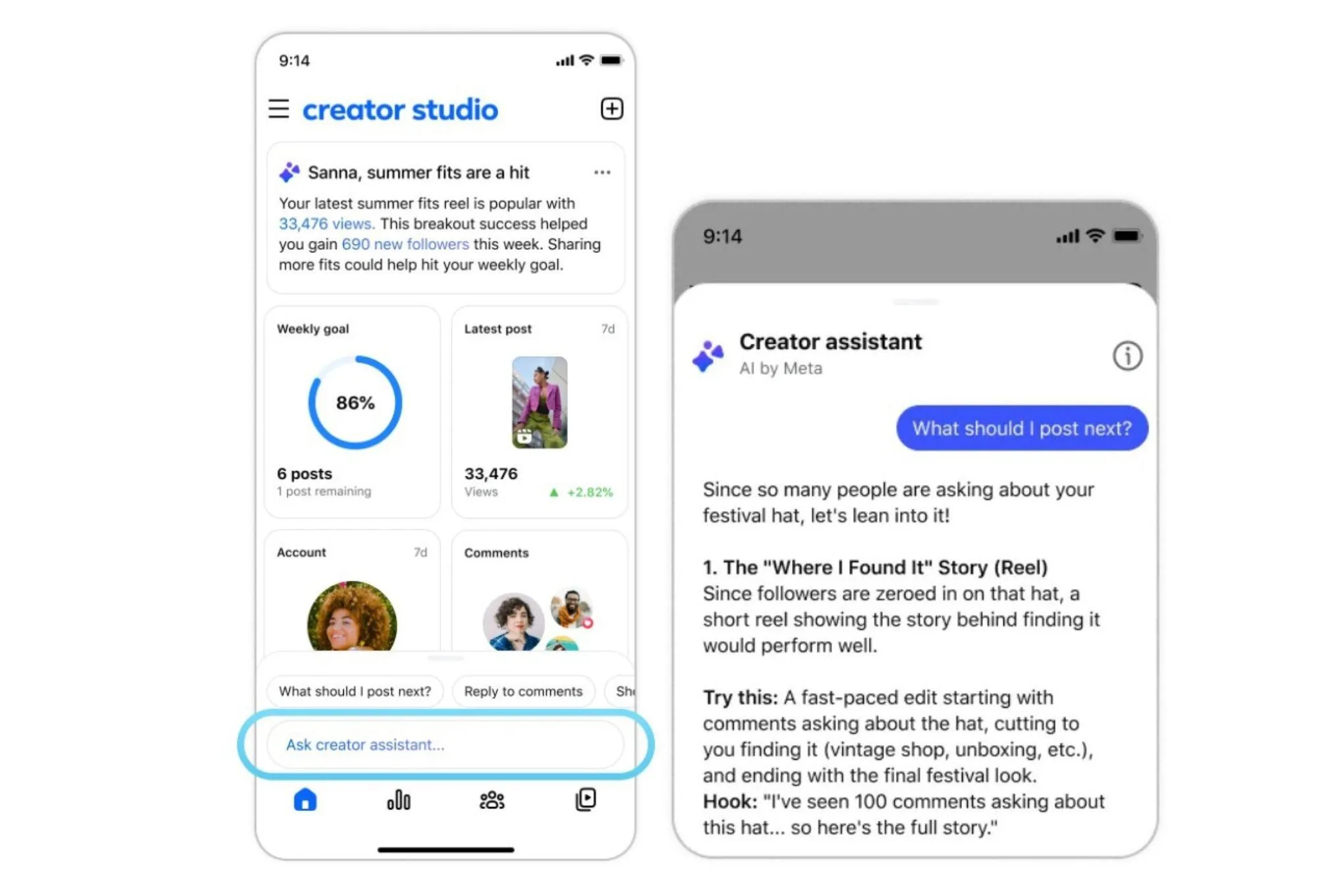
The original Creator Studio was shut down in 2023. Now it's back, rebuilt around an AI assistant that promises to grow your audience and reply to comments in your voice.
Sarah Williams · 26 Jun · 5 min
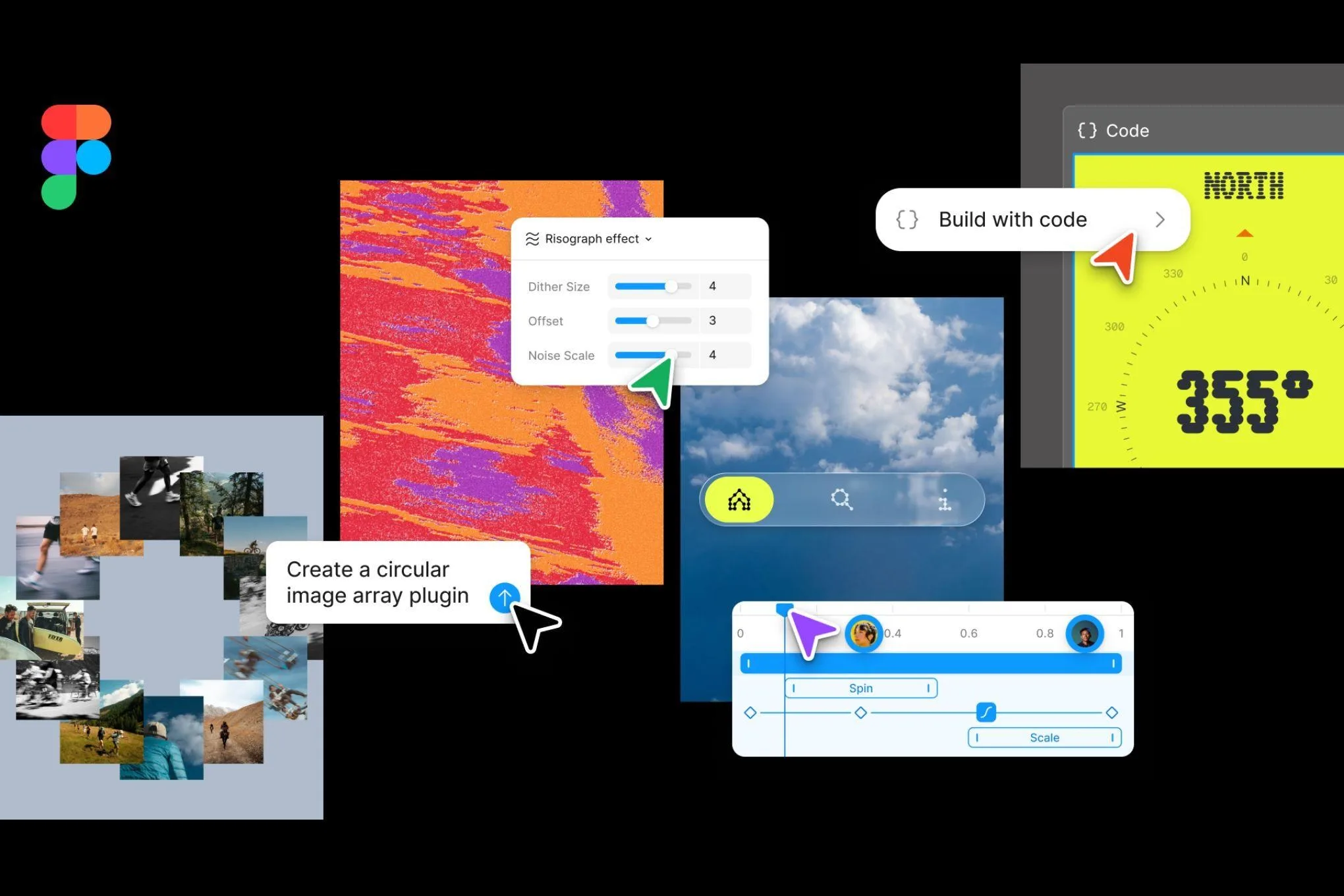
At its annual Config conference, Figma announced coding layers, AI-generated motion graphics, and a reimagined canvas that blurs the line between design and full-stack development.
Sarah Williams · 26 Jun · 5 min
Everyone talks about chips and models. The memory bottleneck is the part of the AI buildout that keeps getting underestimated, and Micron's latest earnings make that case hard to ignore.
When I was at Kuka, we watched the industrial automation chip market consolidate around a handful of players. The companies that won weren't necessarily the ones with the best technology. They were the ones with the best software ecosystems and the deepest customer relationships.
Nvidia's got that in AI. Their CUDA platform is basically the industry standard. AMD's catching up with ROCm. Intel's trying with Gaudi. And now Qualcomm wants a piece?
The mobile chip business is a different world. You're designing for power efficiency, for thermal constraints, for cost targets that would make a data center architect laugh. Scaling that expertise to hyperscale AI infrastructure isn't straightforward.
That said, Qualcomm's not stupid. They've been telegraphing this move for years. Their Nuvia acquisition back in 2021 brought in serious server chip talent. They've got products in the pipeline.
This is where it gets interesting. ByteDance has been in a complicated dance with the U.S. government for years over TikTok. Their supply chain decisions get scrutinized heavily.
So why Qualcomm? A few possibilities come to mind.
First, diversification. If you're ByteDance, you probably don't want to be entirely dependent on any single chip supplier. Especially not one that might face export restrictions or political pressure. Having multiple vendors is just good risk management.
Second, inference versus training. The really heavy lifting in AI (training massive models) is where Nvidia dominates. But inference, running those trained models billions of times a day, that's a different workload. Qualcomm's power efficiency expertise from mobile could actually matter here.
Third, and I'm speculating, price. Nvidia's margins are astronomical right now. If Qualcomm came in with competitive silicon at a better price point, that's real money for a company running ByteDance's scale of operations.
I called my old colleague at Siemens last week, guy who's been tracking semiconductor trends since before most of your readers were born. His take: this is about the AI chip market being big enough to support multiple serious players.
He's probably right. The demand for AI compute is growing faster than any single company can supply it. Nvidia's selling everything they can make. There's room for alternatives.
But room for alternatives doesn't mean Qualcomm's going to succeed. It means they've got a shot. The execution still has to happen.
I remember when Texas Instruments was going to dominate mobile processors. When Intel's Atom was going to be in every tablet. Markets don't always play out the way the press releases suggest.
Is this a big deal for Qualcomm? Yes, probably. Getting a customer like ByteDance validates their AI data center ambitions. It's real revenue and real credibility.
Is this a threat to Nvidia's dominance? It's too early to say. One deal doesn't make a market shift. We'd need to see volumes, performance benchmarks, and whether ByteDance actually deploys this stuff at scale or just uses it as negotiating leverage with their existing suppliers.
I've seen too many "revolutionary" chip announcements fizzle out to get excited about press releases. Show me the silicon in production. Show me the workloads running. Then we'll talk.
For now, file this under "interesting development, unclear significance." Which, I'll admit, describes about half of what crosses my desk these days.