OpenAI's Codex wants to be your coworker's coworker
The company is positioning its AI coding agent as a white-collar productivity tool, and honestly, the use cases feel more mundane than revolutionary.
By
·25 May 2026·5 min read
Remember when spreadsheets first showed up in offices? Nobody called them "revolutionary productivity paradigms." They were just... useful. You could do your quarterly reports faster. Your boss stopped asking you to redo the math by hand.
I keep thinking about that as I read through OpenAI's latest push for Codex, their AI coding agent that they're now marketing directly to data science and sales teams. It's not the flashy demo stuff we usually see. It's KPI memos. Pipeline briefs. Dashboard specs. The kind of work that makes up 80% of a knowledge worker's week and approximately 0% of AI hype videos.
OpenAI published two new guides this week, one for data science teams and one for sales teams, and they read less like product announcements and more like internal workflow documentation. The data science guide walks through building "root-cause briefs" and "impact readouts" from real work inputs. The sales guide covers meeting prep packets and stalled-deal diagnoses.
I initially thought this was just standard marketing fluff, but after reading through both guides, I think there's something more interesting happening. OpenAI seems to be betting that the real adoption path for AI agents isn't through impressive demos, it's through boring, repeatable tasks that nobody wants to do.
The framing is notably practical. They're not promising Codex will replace your data analyst or your sales ops person. They're positioning it as the thing that handles the prep work before the actual thinking happens. You give it your pipeline data, it gives you a formatted brief. You give it your KPIs, it gives you a memo draft.
Related coverage
More in AI Models
Chipmakers swung wildly this week, from a Tuesday 'chip-wreck' to a Micron-led surge after hours. What's actually going on with AI's hardware backbone?
Sarah Williams · 26 Jun · 5 min
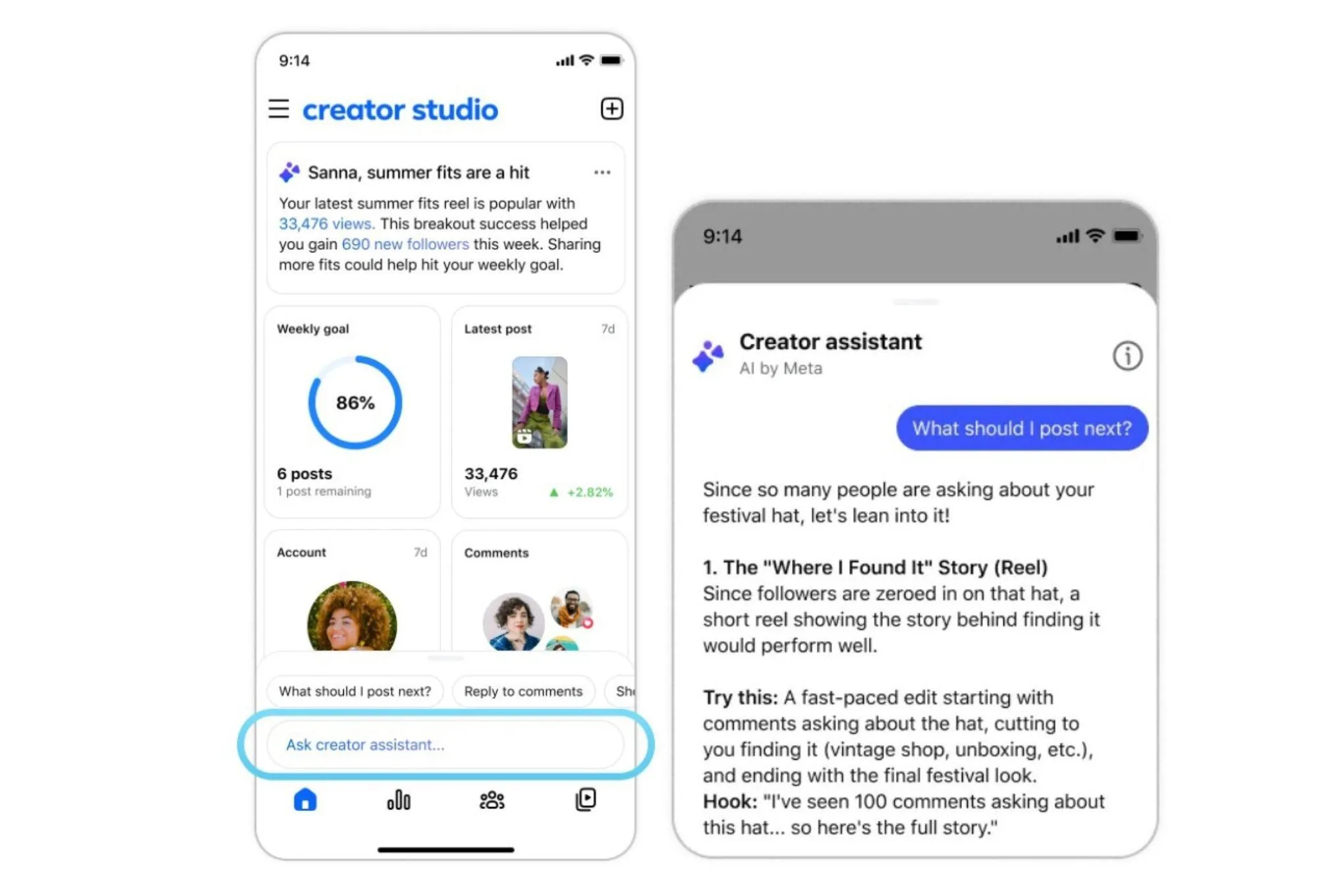
The original Creator Studio was shut down in 2023. Now it's back, rebuilt around an AI assistant that promises to grow your audience and reply to comments in your voice.
Sarah Williams · 26 Jun · 5 min
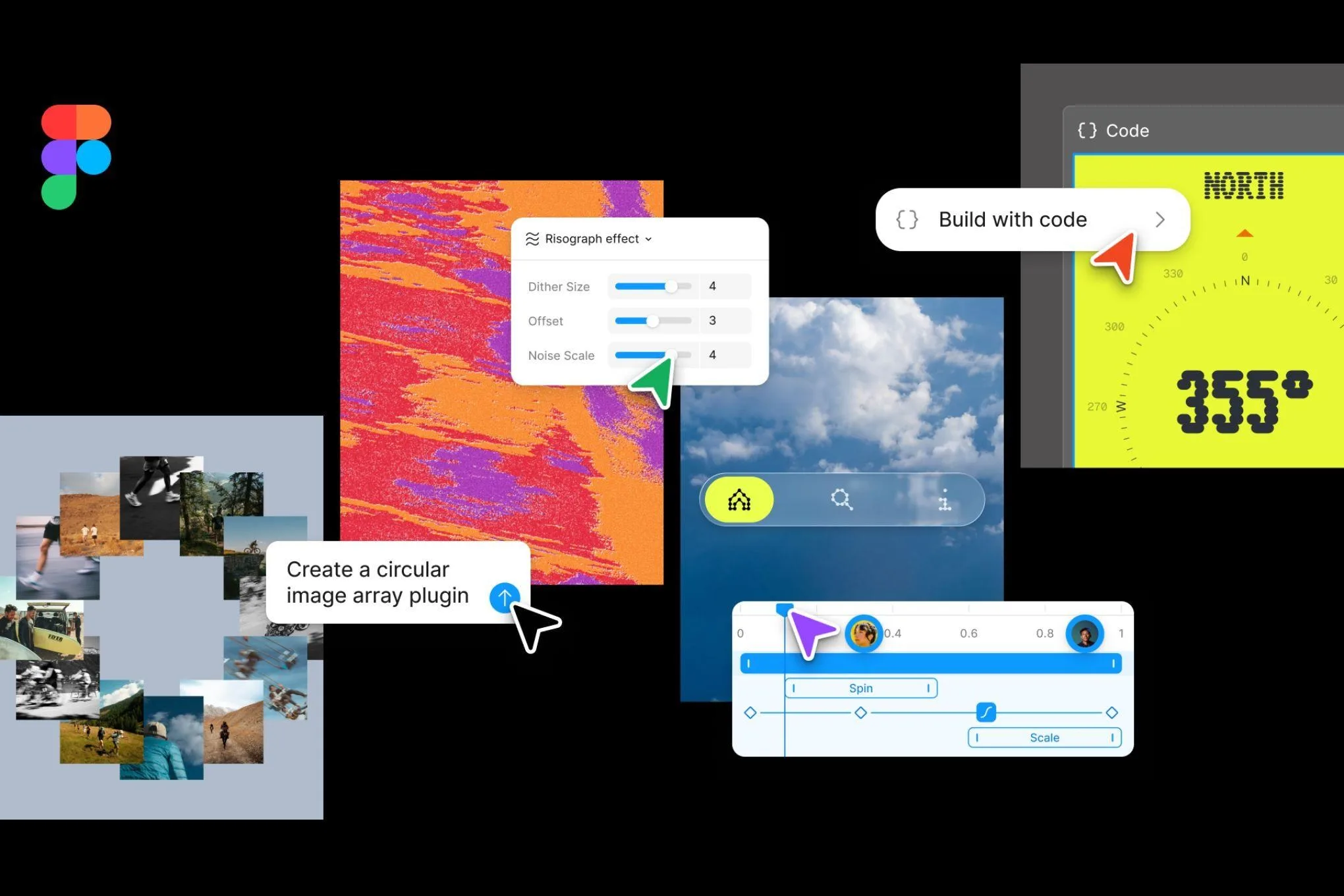
At its annual Config conference, Figma announced coding layers, AI-generated motion graphics, and a reimagined canvas that blurs the line between design and full-stack development.
Sarah Williams · 26 Jun · 5 min
Everyone talks about chips and models. The memory bottleneck is the part of the AI buildout that keeps getting underestimated, and Micron's latest earnings make that case hard to ignore.
This phrase appears in both guides, and I think it matters. OpenAI is being careful (or at least trying to be careful) about setting expectations. Codex isn't generating insights from nothing. It's reformatting and structuring information you already have.
That's a meaningful distinction, tbh. A lot of AI productivity tools promise to do your thinking for you, then deliver something that requires more editing than just writing it yourself would have. The pitch here seems to be: we'll do the formatting, the structuring, the first-draft grunt work. You still have to know what questions to ask and whether the output makes sense.
Whether that actually works in practice remains unclear. The guides don't include user testimonials or performance data. We don't know how many iterations it takes to get a usable brief, or how much cleanup the outputs require. I should know this better, but I couldn't find any independent benchmarks on Codex's performance for these specific use cases.
You might be wondering why these two teams specifically. My guess: they're both drowning in structured data that needs to be turned into narratives.
Sales teams have CRM data, call logs, pipeline stages, deal histories. All of that information exists, but turning it into a coherent "here's what's happening with this account" document takes time. Data science teams have similar problems. They have the analysis, but communicating it to stakeholders who don't speak SQL requires translation work.
Both roles spend a lot of time on communication artifacts. Briefs, memos, readouts, specs. Documents that exist to help other people understand what's going on. That's exactly the kind of work that AI tools can plausibly accelerate, because the thinking has already happened. You're just packaging it.
First, pricing. OpenAI's Codex pricing for enterprise use cases isn't straightforward, and neither guide mentions cost. For a sales team evaluating whether to adopt this, that's kind of important information.
Second, integration. The guides talk about "real work inputs" but don't specify how Codex connects to the tools these teams actually use. Does it plug into Salesforce? Tableau? Looker? The workflow only works if getting data into Codex isn't itself a time sink.
Third, accuracy. For sales forecasts and data analysis briefs, small errors can have real consequences. I didn't find any discussion of error rates or validation workflows in either guide. Maybe that's coming, maybe it's intentional omission.
Honestly, I'm not sure this is the AI agent breakthrough some people are waiting for. It feels more like... incremental productivity software? Which isn't a criticism, actually. Most useful software is incremental. It makes existing workflows slightly faster, slightly less annoying.
But I think there's something worth watching here. OpenAI is clearly trying to move Codex from "impressive coding demo" to "thing your company actually pays for monthly." That means competing less with other AI labs and more with Notion, Confluence, and whatever internal tools enterprises have cobbled together.
The question is whether Codex can actually deliver on the promise of being useful for non-technical users doing non-coding work. Data scientists writing KPI memos aren't the same as developers writing code. Sales reps building account plans aren't the same as engineers debugging functions. The underlying technology might be similar, but the use cases require different kinds of reliability.
I'll be curious to see if OpenAI publishes any adoption numbers or case studies in the coming months. Right now, we have guides that explain what Codex could do. What we don't have is evidence that it's actually doing it well at scale.
For now, I'd put this in the "interesting but unproven" category. The use cases make sense. The positioning is smart. Whether it actually works as advertised? Too early to say.