OpenAI's Codex Pivot: From Code Assistant to Everyone's Research Intern
The company that built a coding tool is now positioning it as a productivity layer for analysts, marketers, and basically anyone who works with information.
By
Remember when calculators were going to make us all worse at math? I keep thinking about that debate whenever a new AI productivity tool drops. The fear was that we'd lose some fundamental skill, become dependent, forget how to carry the one. Instead, calculators just became... normal. Background infrastructure. Nobody panics about them anymore.
I'm not saying OpenAI's expanded Codex is a calculator. But watching the company reposition what started as a coding assistant into a general knowledge work tool, I can't help wondering if we're watching a similar normalization happen in real time.
What Actually Changed
OpenAI released what they're calling "The Next Era of Knowledge Work" report alongside a bunch of new Codex features. The pitch is straightforward: Codex isn't just for developers anymore. It's for analysts doing research, marketers creating content, designers iterating on concepts, investors digging through data.
The new capabilities include plugins that connect to external tools, site integrations, and something they're calling "annotations" that help teams collaborate on AI-generated outputs. Basically, they're building the connective tissue that lets Codex plug into existing workflows rather than requiring people to come to it.
I should be clearer here. I haven't tested all these features myself yet. What I'm working from is OpenAI's own documentation and their breakdown of role-specific use cases. So take my analysis with that grain of salt.
Related coverage
More in AI Models
Chipmakers swung wildly this week, from a Tuesday 'chip-wreck' to a Micron-led surge after hours. What's actually going on with AI's hardware backbone?
Sarah Williams · 26 Jun · 5 min
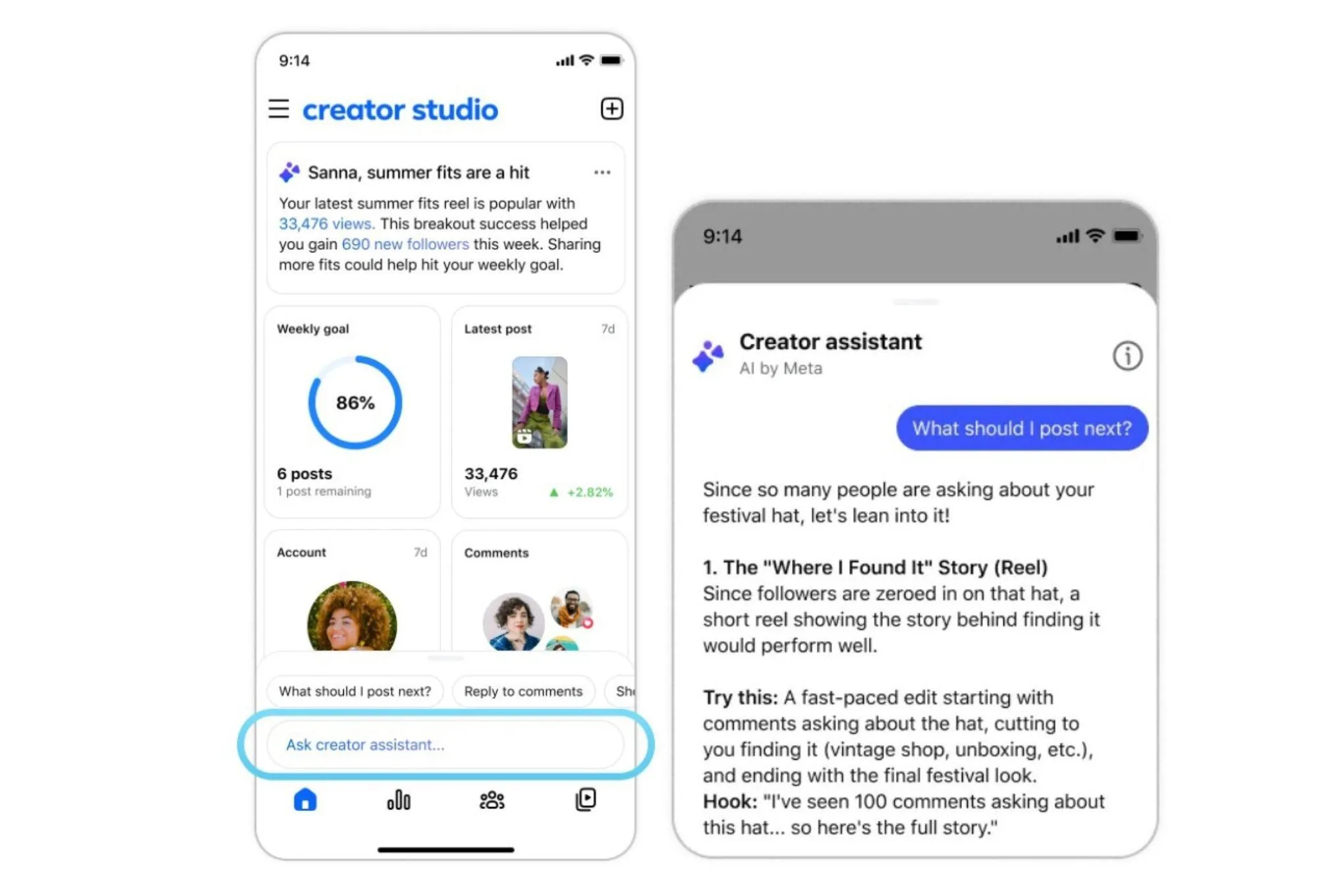
The original Creator Studio was shut down in 2023. Now it's back, rebuilt around an AI assistant that promises to grow your audience and reply to comments in your voice.
Sarah Williams · 26 Jun · 5 min
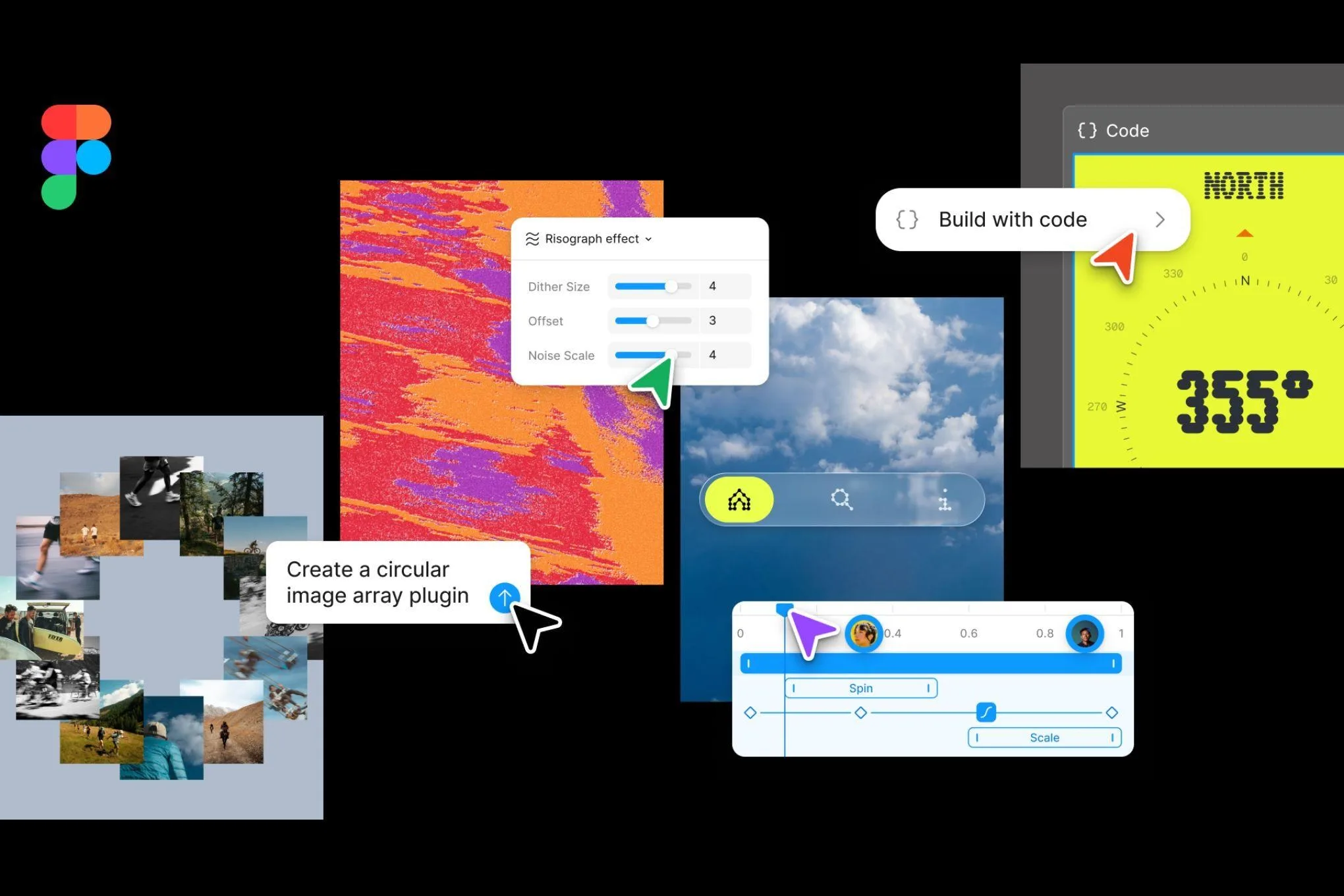
At its annual Config conference, Figma announced coding layers, AI-generated motion graphics, and a reimagined canvas that blurs the line between design and full-stack development.
Sarah Williams · 26 Jun · 5 min
Everyone talks about chips and models. The memory bottleneck is the part of the AI buildout that keeps getting underestimated, and Micron's latest earnings make that case hard to ignore.