OpenAI Launches Workspace Agents: Autonomous AI That Runs in the Cloud
New Codex-powered agents can automate complex workflows across tools, marking OpenAI's push into enterprise automation.
Image credit: Photo via Unsplash. Free to use under Unsplash License. · source
OpenAI has introduced workspace agents in ChatGPT, a new capability that lets teams deploy autonomous AI agents to handle complex, multi-step workflows without constant human oversight.
What are workspace agents?
Workspace agents are Codex-powered AI systems that run in the cloud rather than on your local machine. Unlike standard ChatGPT conversations where you ask questions and get answers, these agents can take action. They connect to external tools, execute tasks across multiple platforms, and complete workflows that would normally require a human to click through several applications.
Think of them as digital assistants that can actually do the work, not just tell you how to do it.
How do they differ from regular ChatGPT?
The key distinction is autonomy and persistence. A regular ChatGPT session ends when you close the window. Workspace agents, by contrast, can run independently in the cloud. You set them up, define what they should accomplish, and they continue working even when you step away.
They also operate across tools. Rather than being confined to a chat interface, these agents can connect to the software your team already uses, moving data and triggering actions between systems.
Who is this built for?
OpenAI is positioning workspace agents squarely at enterprise teams. The emphasizes building, scaling, and streamlining team operations. This suggests the target users are organizations with repeatable processes that currently require manual coordination.
Related coverage
More in AI Models
Chipmakers swung wildly this week, from a Tuesday 'chip-wreck' to a Micron-led surge after hours. What's actually going on with AI's hardware backbone?
Sarah Williams · 26 Jun · 5 min
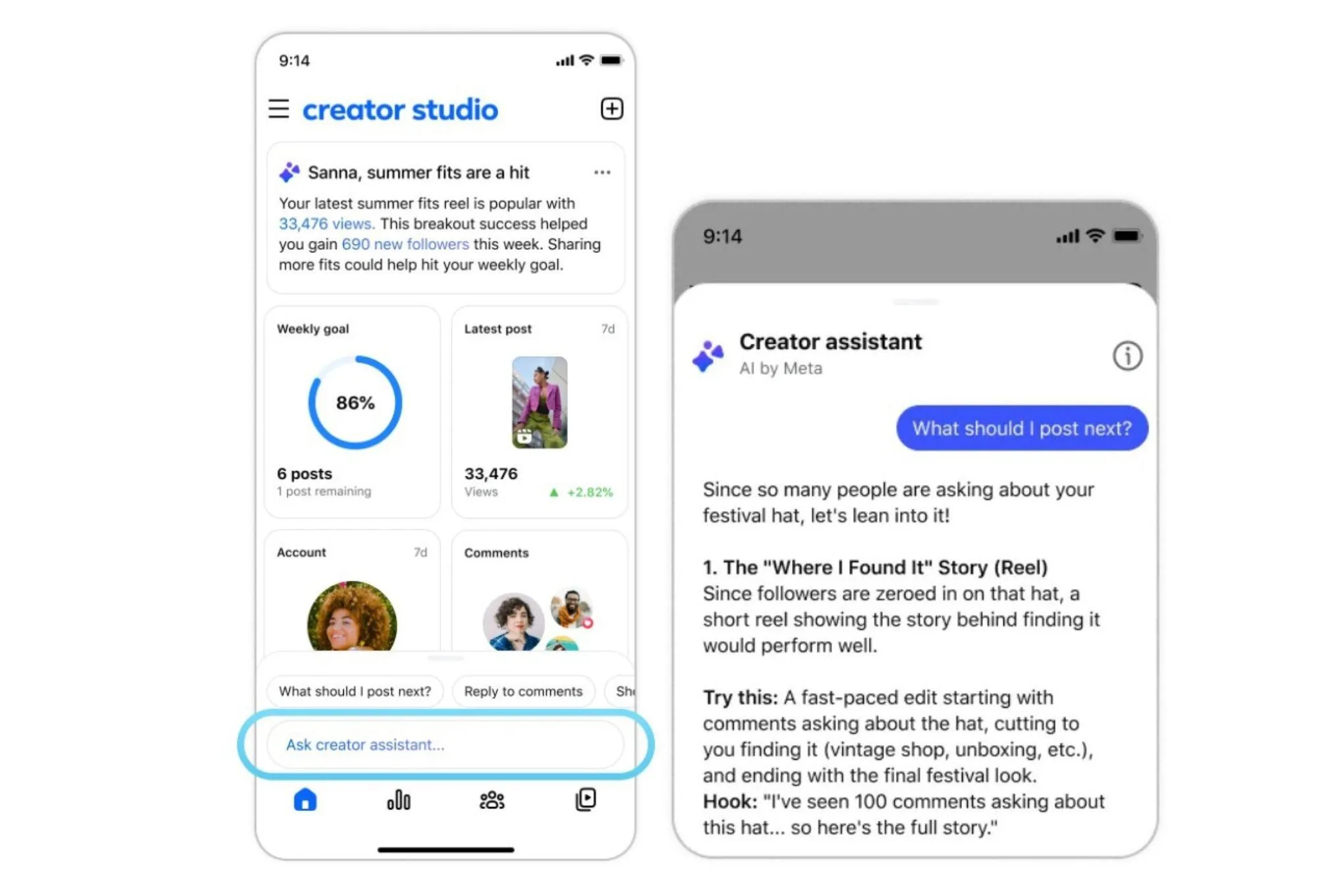
The original Creator Studio was shut down in 2023. Now it's back, rebuilt around an AI assistant that promises to grow your audience and reply to comments in your voice.
Sarah Williams · 26 Jun · 5 min
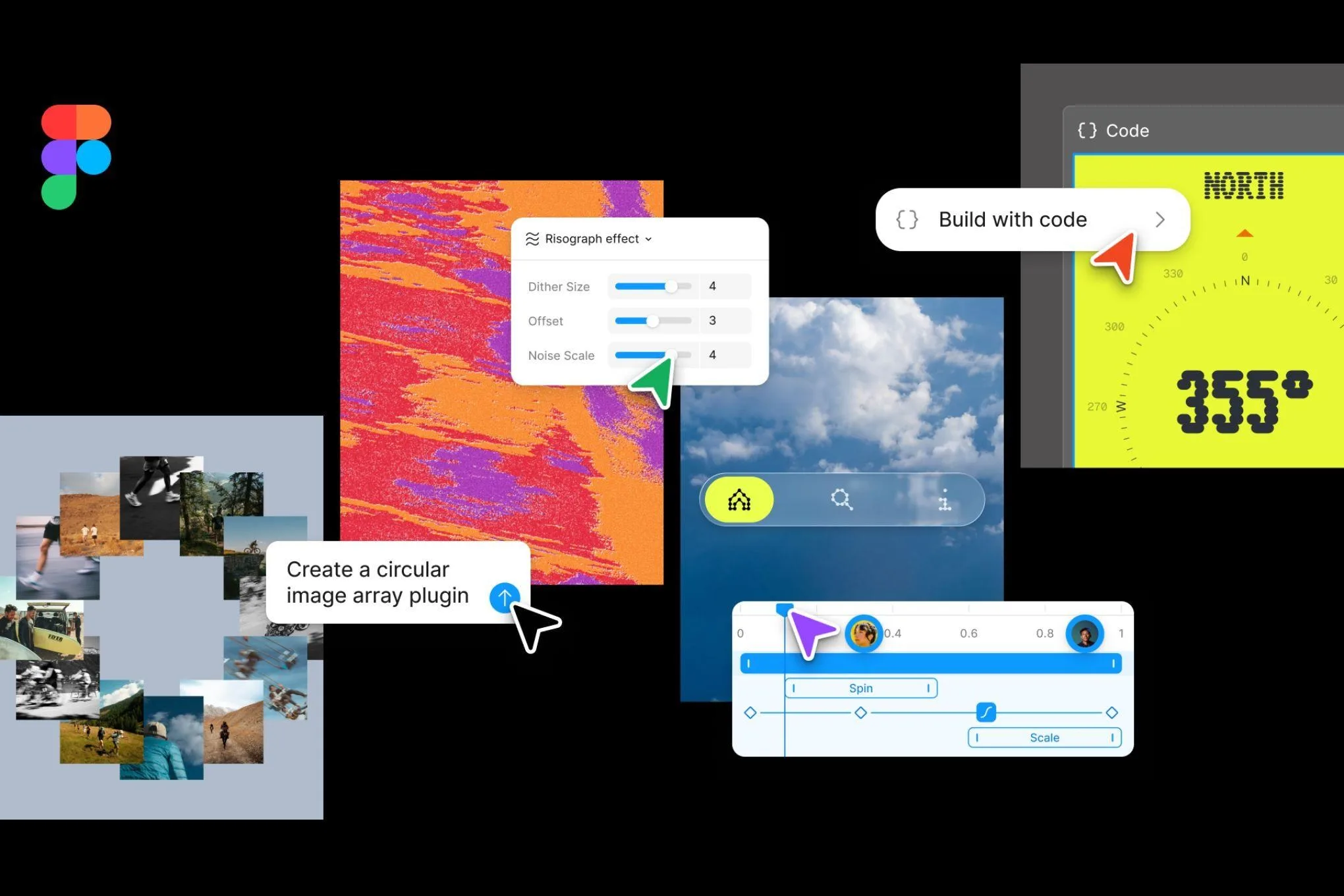
At its annual Config conference, Figma announced coding layers, AI-generated motion graphics, and a reimagined canvas that blurs the line between design and full-stack development.
Sarah Williams · 26 Jun · 5 min
Everyone talks about chips and models. The memory bottleneck is the part of the AI buildout that keeps getting underestimated, and Micron's latest earnings make that case hard to ignore.