OpenAI Expands Privacy Documentation for ChatGPT Users
New educational resources detail how the company handles personal data in training and gives users control over their conversations.
Image credit: Photo via Unsplash. Free to use under Unsplash License. · source
OpenAI has published expanded documentation explaining how ChatGPT handles user privacy and what controls are available to people who use the AI assistant daily.
What did OpenAI announce?
The company released two new resource pages on its website. The first, published on the OpenAI Blog, focuses specifically on privacy protections built into ChatGPT. The second, available through OpenAI Academy, covers broader responsible use practices for AI tools.
Together, these resources aim to give users a clearer picture of what happens to their conversations and how they can make informed choices about their data.
How does ChatGPT handle personal data?
According to the new documentation, OpenAI has implemented processes to reduce the amount of personal information that ends up in training data. The company describes safeguards designed to protect user privacy while still allowing the AI to learn and improve.
The key mechanism here is user control. People can choose whether their conversations are used to improve AI models. This opt-in or opt-out approach puts the decision in the hands of individual users rather than making it a blanket policy.
Why does this matter for robotics and AI?
Related coverage
More in AI Models
Chipmakers swung wildly this week, from a Tuesday 'chip-wreck' to a Micron-led surge after hours. What's actually going on with AI's hardware backbone?
Sarah Williams · 26 Jun · 5 min
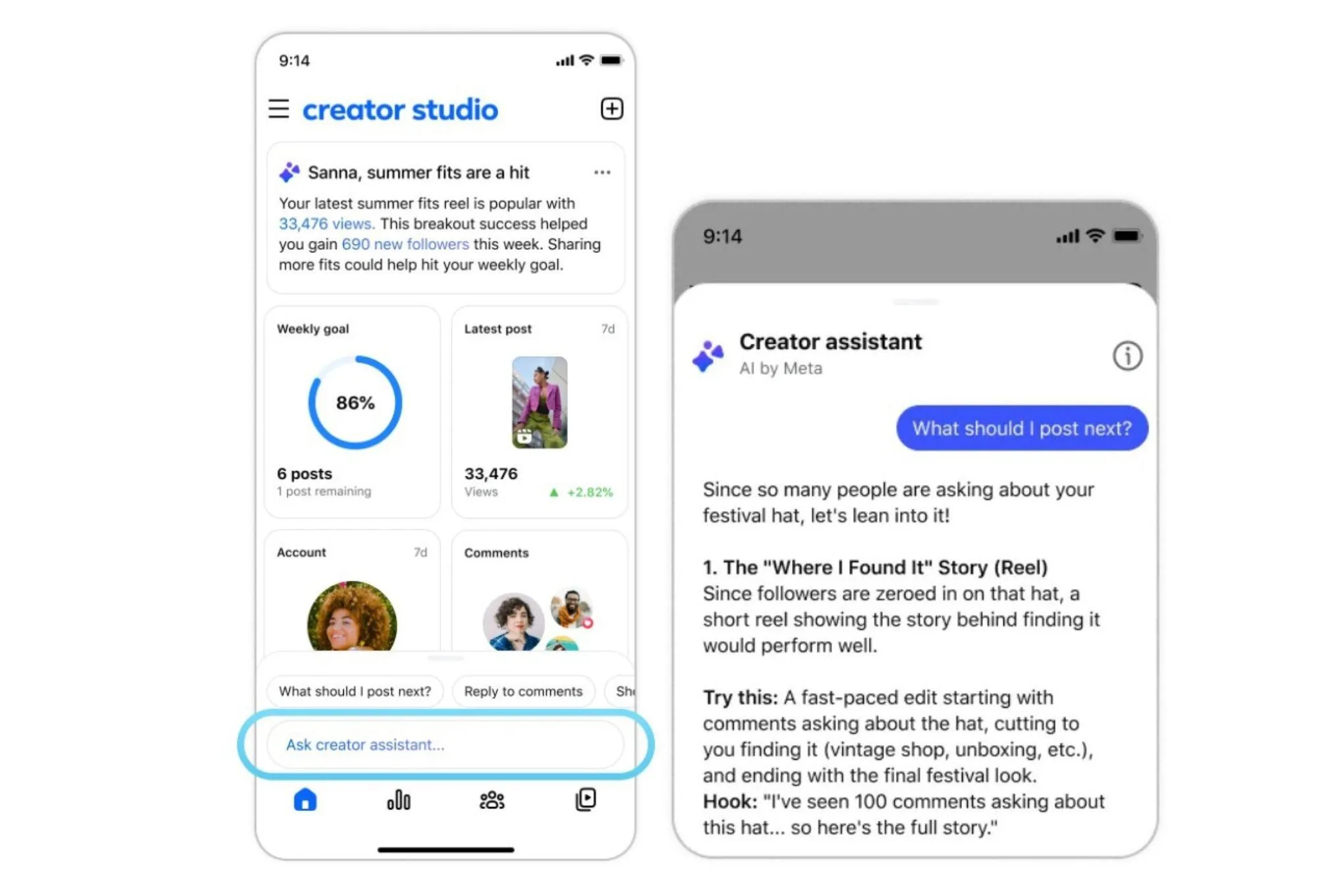
The original Creator Studio was shut down in 2023. Now it's back, rebuilt around an AI assistant that promises to grow your audience and reply to comments in your voice.
Sarah Williams · 26 Jun · 5 min
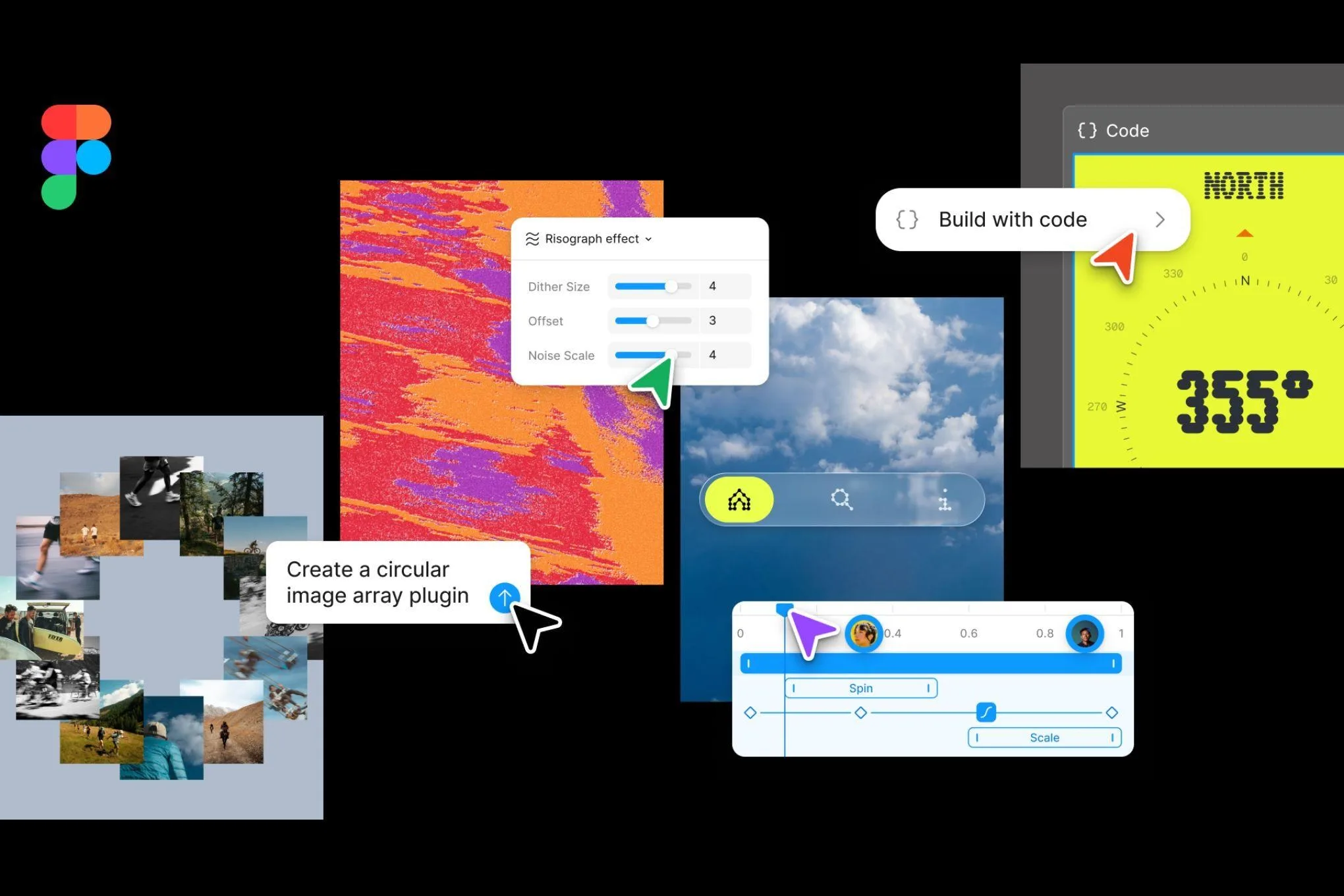
At its annual Config conference, Figma announced coding layers, AI-generated motion graphics, and a reimagined canvas that blurs the line between design and full-stack development.
Sarah Williams · 26 Jun · 5 min
Everyone talks about chips and models. The memory bottleneck is the part of the AI buildout that keeps getting underestimated, and Micron's latest earnings make that case hard to ignore.