OpenAI Brings Advertising to ChatGPT: What It Means for Users and the AI Industry
The company behind ChatGPT is testing ads to fund free access, marking a significant shift in how AI assistants might be monetized.
Image credit: Photo via Unsplash. Free to use under Unsplash License. · source
OpenAI has begun testing advertisements within ChatGPT, introducing a new revenue model that could reshape how AI assistants are funded and accessed globally.
The company announced the initiative through a series of updates on its official blog, outlining plans to display ads to users on the free and lower-cost Go subscription tiers. The move represents OpenAI's first major step into advertising, a business model the company had previously avoided.
Why is OpenAI adding ads now?
The stated goal is straightforward: expand affordable access to AI tools worldwide. Running large language models like those powering ChatGPT requires substantial computing resources, and advertising offers a way to offset those costs without raising prices for users or eliminating free access entirely.
Think of it as the same trade-off that has long defined services like Google Search or YouTube. Users get powerful tools at no direct cost, while advertisers pay for the opportunity to reach them. OpenAI is now applying this familiar model to conversational AI.
How will the ads work?
OpenAI has introduced several components to its advertising system. Ads will be clearly labeled so users can distinguish them from ChatGPT's responses. According to the company's approach document, the content of ChatGPT's answers will remain independent from advertising, meaning advertisers cannot influence what the AI tells users.
Related coverage
More in AI Models
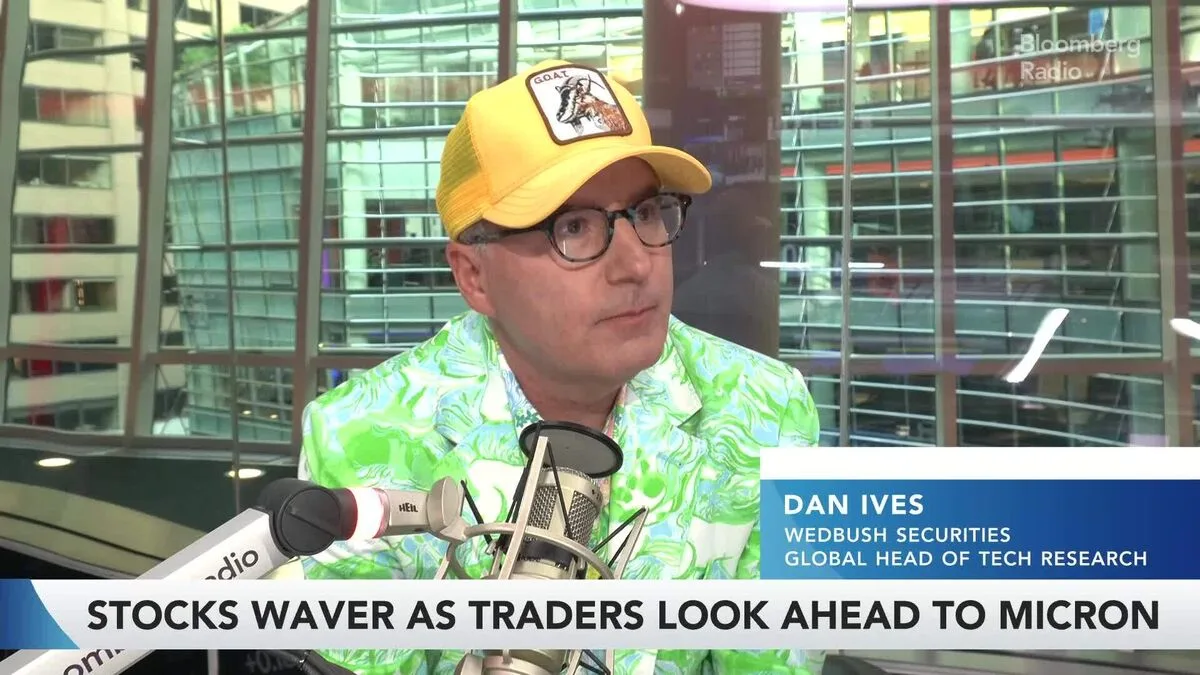
Chipmakers swung wildly this week, from a Tuesday 'chip-wreck' to a Micron-led surge after hours. What's actually going on with AI's hardware backbone?
Sarah Williams · 26 Jun · 5 min
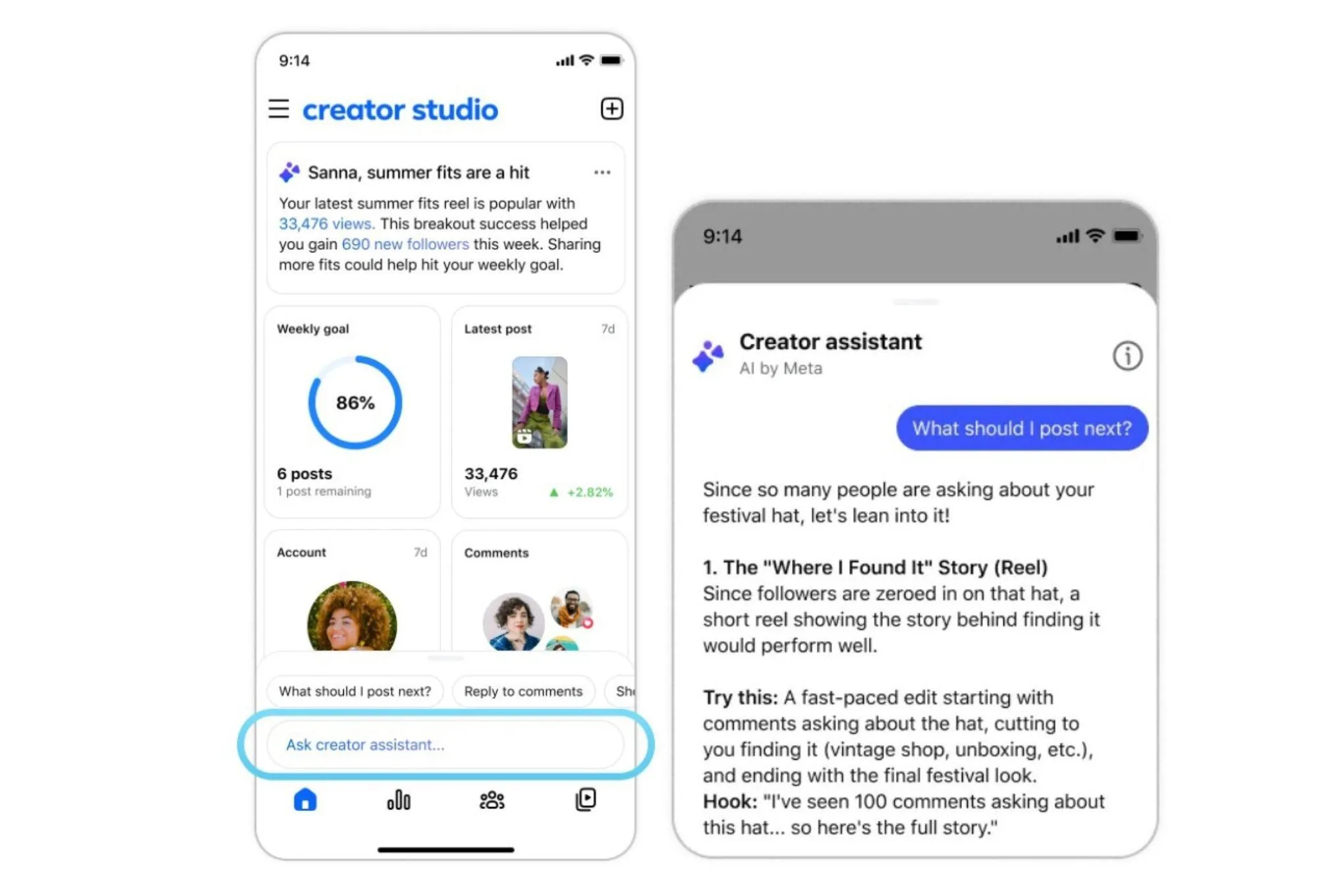
The original Creator Studio was shut down in 2023. Now it's back, rebuilt around an AI assistant that promises to grow your audience and reply to comments in your voice.
Sarah Williams · 26 Jun · 5 min
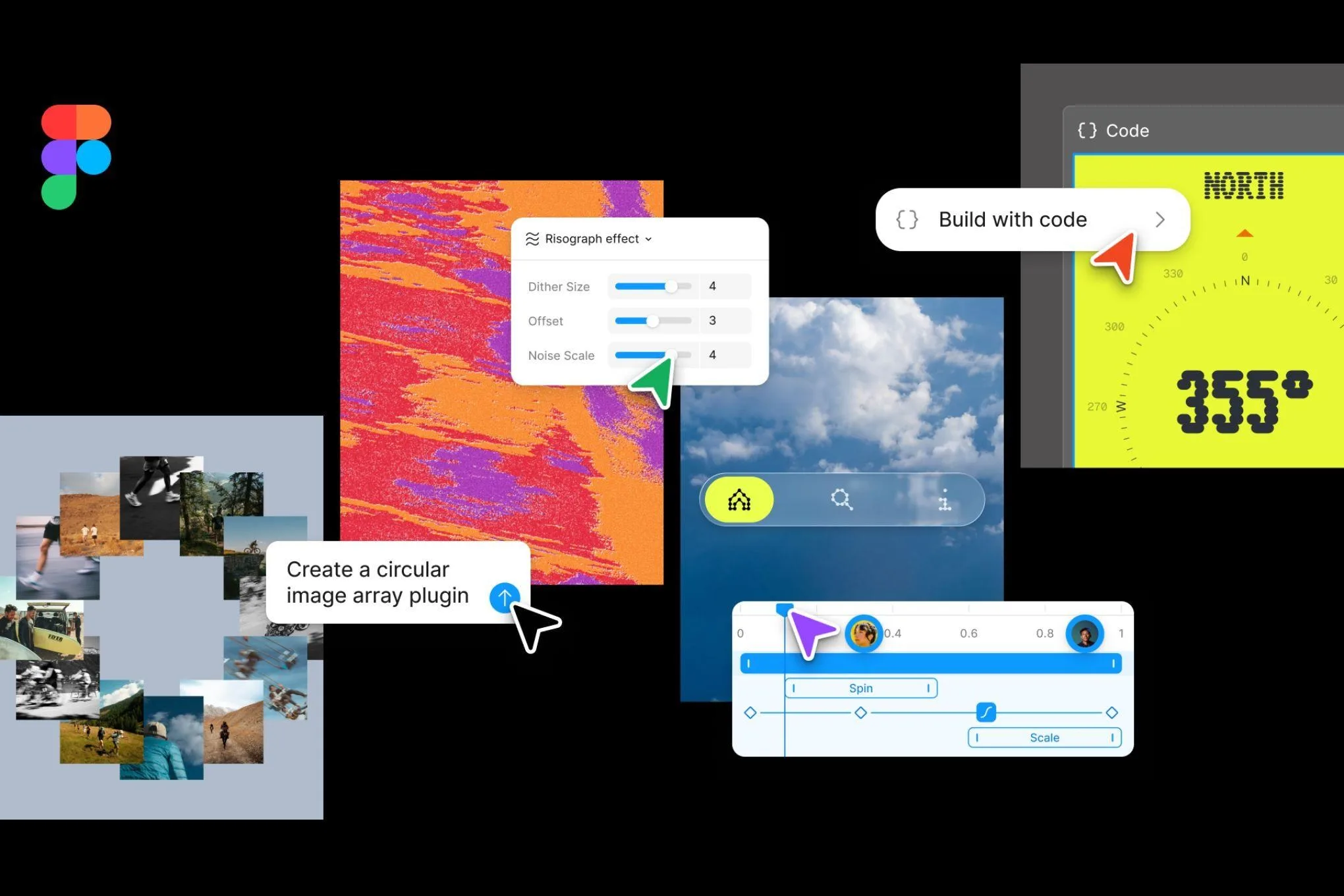
At its annual Config conference, Figma announced coding layers, AI-generated motion graphics, and a reimagined canvas that blurs the line between design and full-stack development.
Sarah Williams · 26 Jun · 5 min
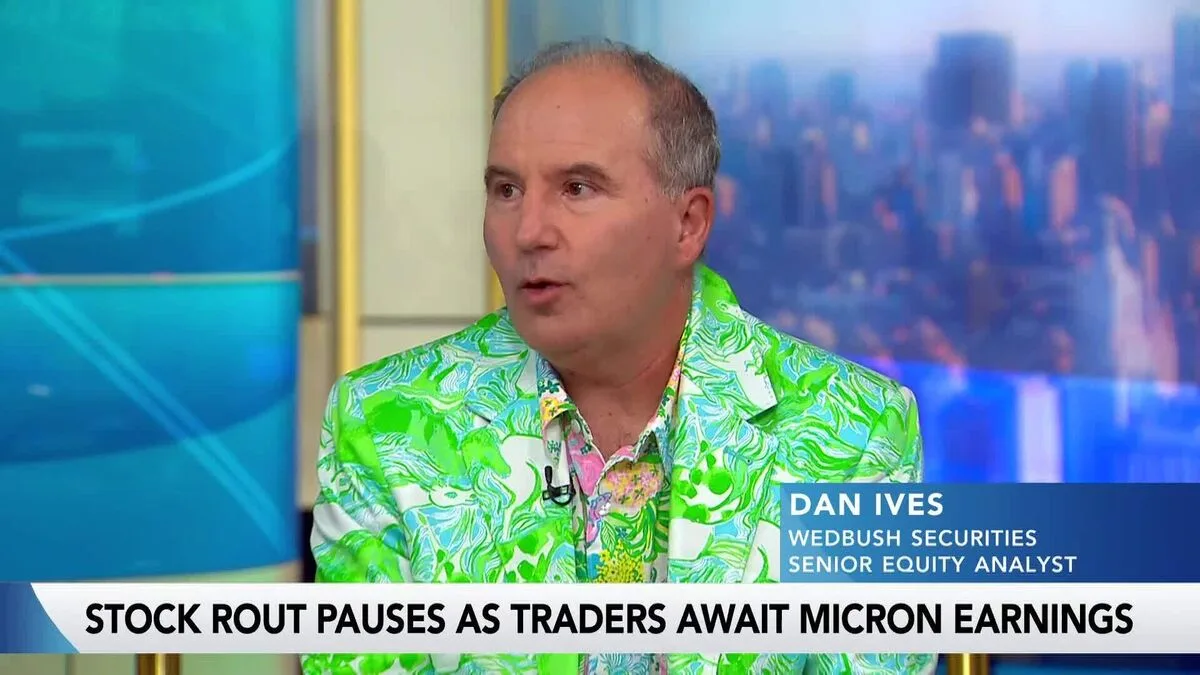
Everyone talks about chips and models. The memory bottleneck is the part of the AI buildout that keeps getting underestimated, and Micron's latest earnings make that case hard to ignore.