Nvidia's Real Play Isn't AI PCs. It's Owning the Infrastructure Layer Before Anyone Notices.
Everyone's writing about the $200B CPU market grab. The actual story is how Nvidia is quietly becoming the landlord of global AI compute.
Image credit: Image via source article. Used under fair use for news commentary. · source
Most coverage of Nvidia's latest moves has focused on the consumer angle: AI agent PCs from Microsoft, Dell, and HP. TechCrunch ran with the $200 billion CPU market opportunity. That's not wrong, exactly. But it misses what's actually happening.
The real story is infrastructure. Nvidia isn't just selling chips anymore. It's building out a global network of AI factories, and the pace of expansion should make anyone paying attention sit up straight.
I've seen enough spec sheets and partnership announcements to know when a company is positioning for a land grab. This is that. The NVIDIA AI Cloud ecosystem, which the company detailed in a blog post last week, represents something more significant than another cloud partnership. It's a coordinated effort to ensure that when enterprises, startups, and even nation-states need AI compute at scale, Nvidia infrastructure is the default option.
What's actually in the announcement?
The consumer PC stuff is straightforward. Nvidia wants a piece of the CPU market it's historically ceded to Intel and AMD. The AI agent angle gives them a differentiation story: these aren't just faster laptops, they're supposedly capable of running local AI agents that can actually do useful work. Whether that pans out remains to be seen. From my time building hardware, I learned to be skeptical of any demo that doesn't include real-world benchmarks under load.
But the infrastructure expansion is where the numbers get interesting. Nvidia's AI Cloud partners are scaling capacity to meet what the company calls "exploding token demand." That's a specific phrase. Token demand is measurable. It correlates directly to inference workloads, which is where the money is shifting as training costs stabilize and deployment costs dominate.
Related coverage
More in AI Models
Chipmakers swung wildly this week, from a Tuesday 'chip-wreck' to a Micron-led surge after hours. What's actually going on with AI's hardware backbone?
Sarah Williams · 26 Jun · 5 min
The original Creator Studio was shut down in 2023. Now it's back, rebuilt around an AI assistant that promises to grow your audience and reply to comments in your voice.
Sarah Williams · 26 Jun · 5 min
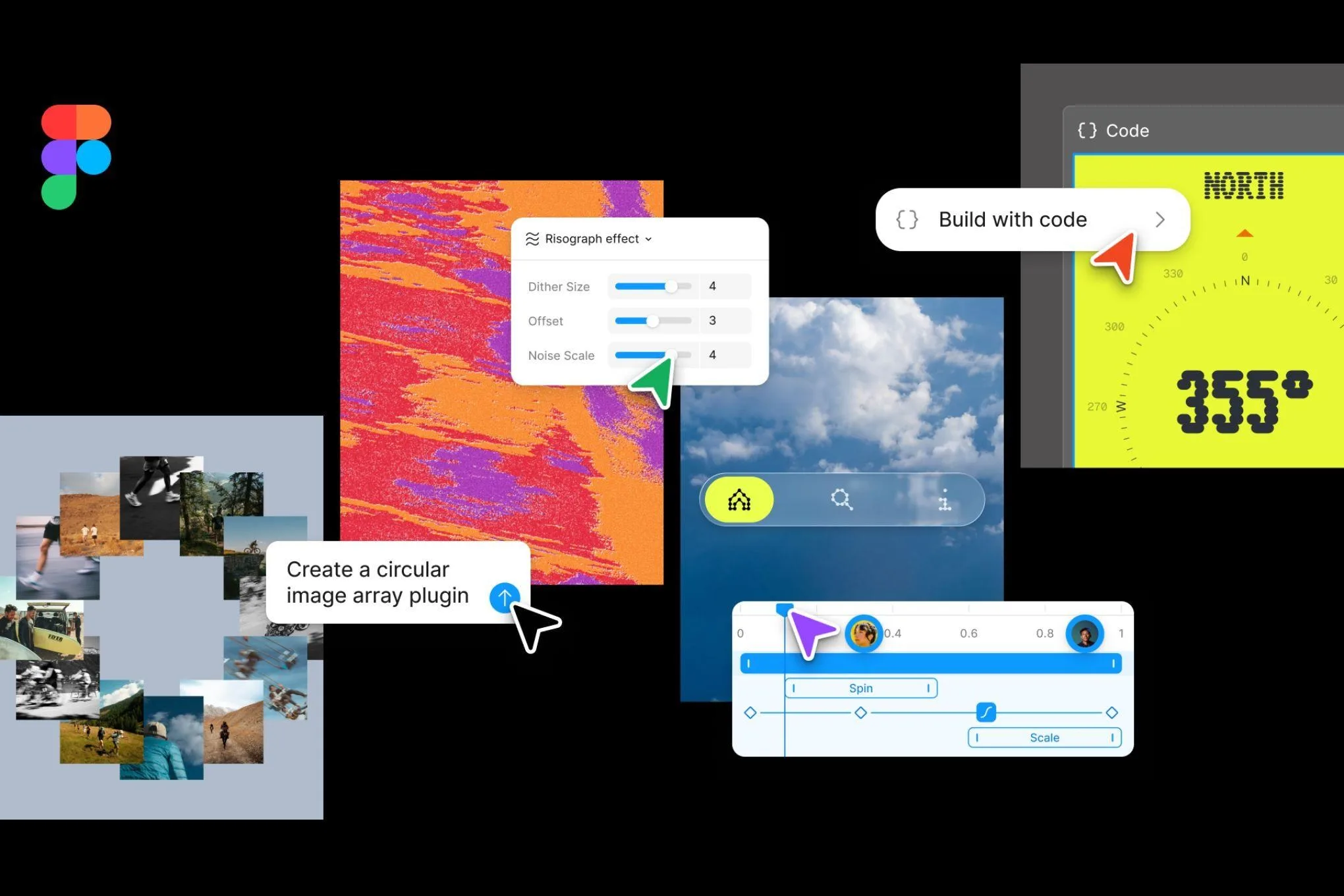
At its annual Config conference, Figma announced coding layers, AI-generated motion graphics, and a reimagined canvas that blurs the line between design and full-stack development.
Sarah Williams · 26 Jun · 5 min
Everyone talks about chips and models. The memory bottleneck is the part of the AI buildout that keeps getting underestimated, and Micron's latest earnings make that case hard to ignore.