Image credit: Image via Source article. Used under fair use for news commentary. · source
Does anyone actually want their laptop to think for them?
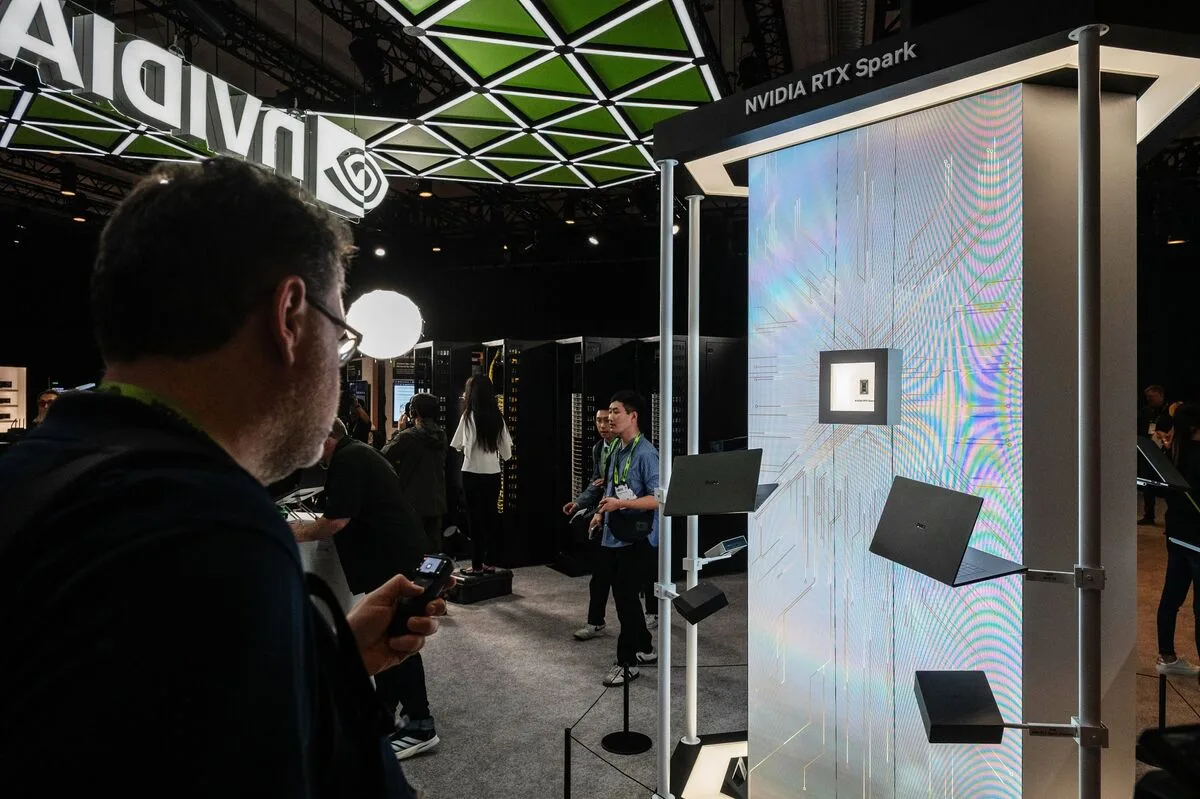
I've been sitting with this question since Nvidia dropped its RTX Spark announcement with Microsoft this week. Jensen Huang stood on stage describing what he called the biggest change to personal computing in decades. A completely new architecture. A completely new way of interacting with our machines. The future of the PC, reimagined around AI.
Let me be fair here. What Nvidia is proposing isn't nothing. They're taking another serious run at becoming the central component in laptops, moving beyond their traditional graphics card territory into something more fundamental. According to Bloomberg, this sets up a fight over "the soul of Windows PCs." That's dramatic language, but it's not entirely wrong.
The idea, as I understand it, is that AI should be baked into the core of how your computer operates. Not as an app you open. Not as a chatbot you summon. But as the fundamental layer that mediates between you and your machine.
I initially thought this was just another incremental GPU upgrade dressed up in AI marketing speak. But after reading through the coverage and thinking about what Nvidia's actually proposing, it's more ambitious than that. They're not saying "your laptop will have better AI features." They're saying "your laptop will BE an AI."
Which, tbh, raises more questions than it answers.
Related coverage
More in AI Models
Chipmakers swung wildly this week, from a Tuesday 'chip-wreck' to a Micron-led surge after hours. What's actually going on with AI's hardware backbone?
Sarah Williams · 26 Jun · 5 min
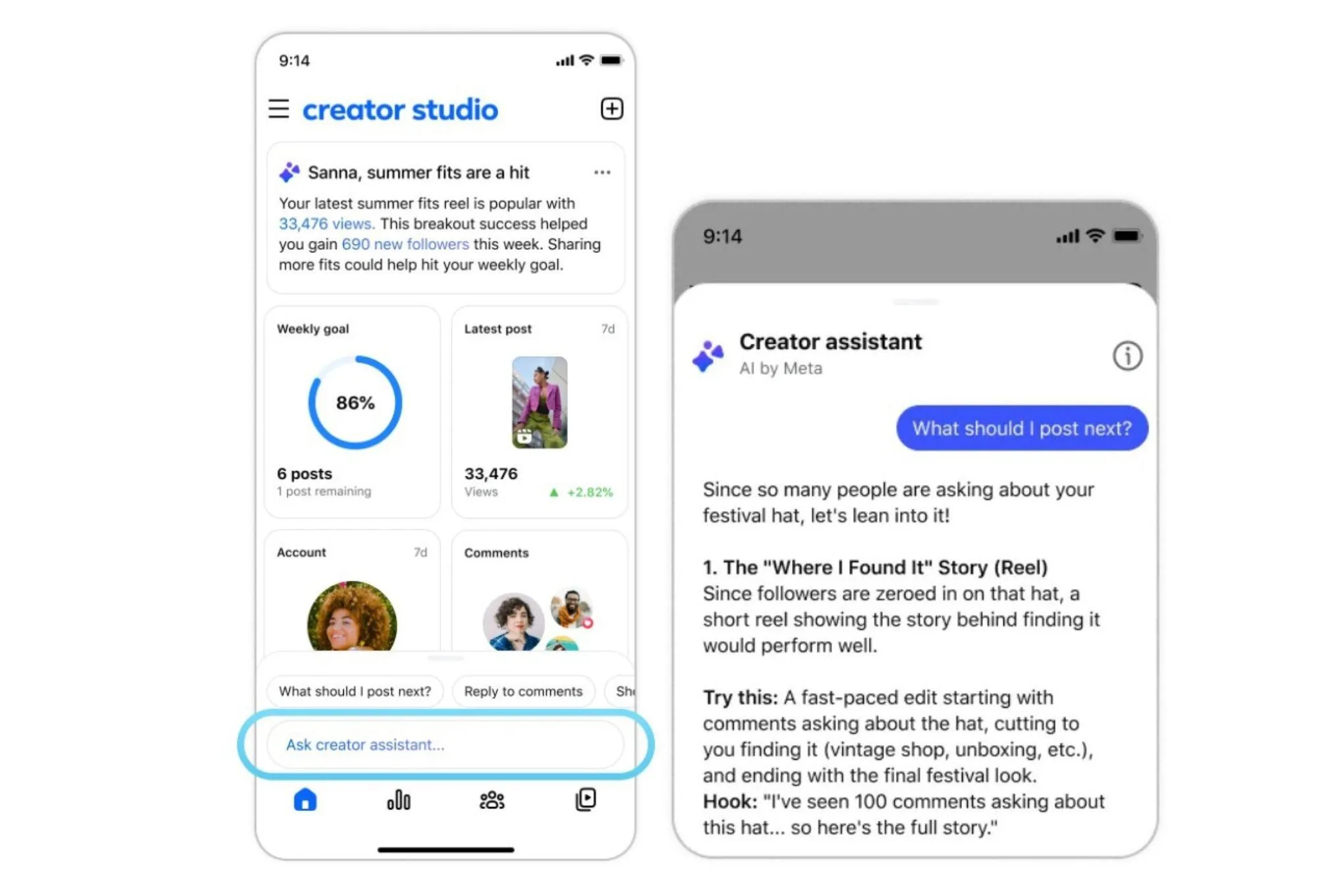
The original Creator Studio was shut down in 2023. Now it's back, rebuilt around an AI assistant that promises to grow your audience and reply to comments in your voice.
Sarah Williams · 26 Jun · 5 min
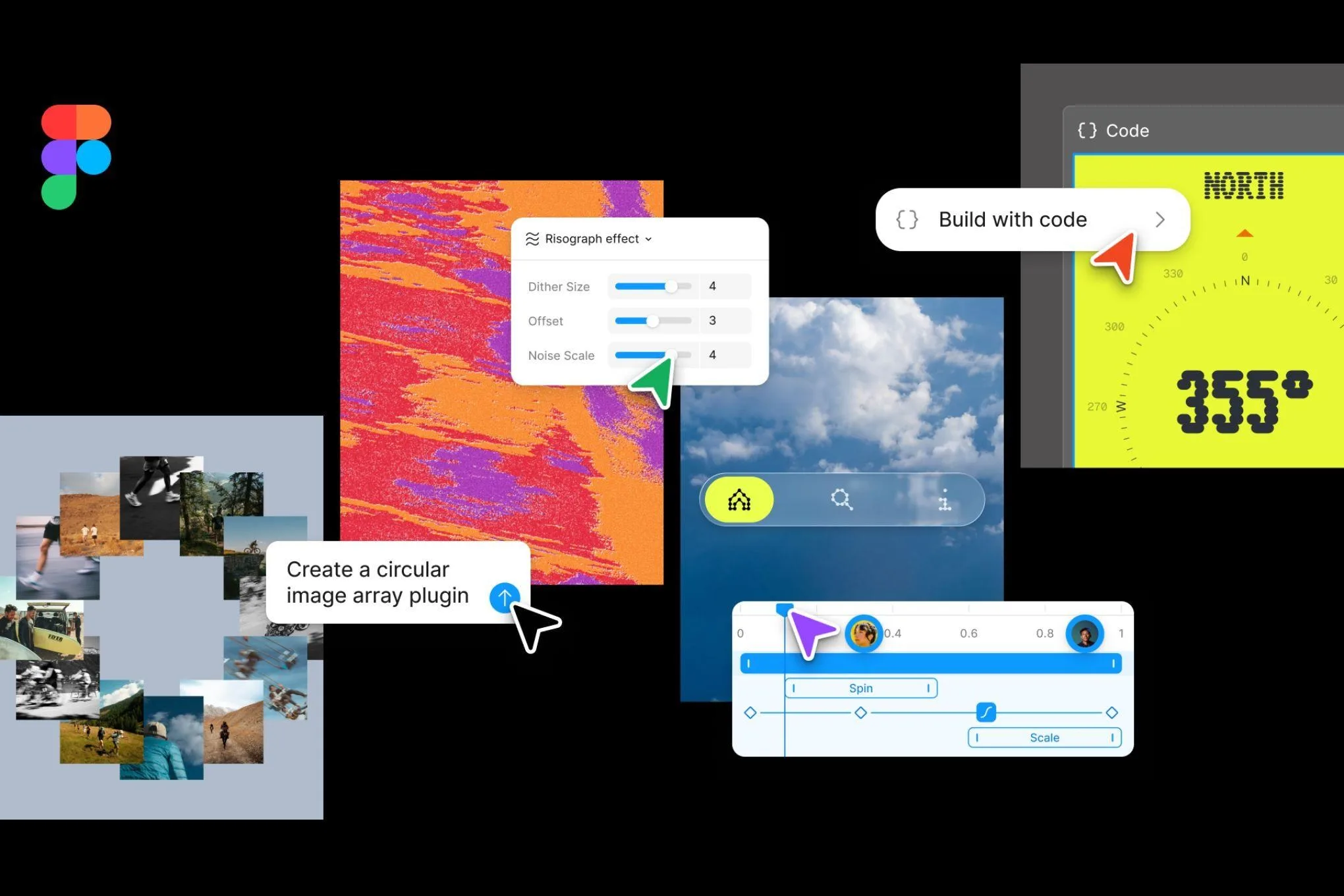
At its annual Config conference, Figma announced coding layers, AI-generated motion graphics, and a reimagined canvas that blurs the line between design and full-stack development.
Sarah Williams · 26 Jun · 5 min
Everyone talks about chips and models. The memory bottleneck is the part of the AI buildout that keeps getting underestimated, and Micron's latest earnings make that case hard to ignore.
Here's where I get stuck. We're now deep into developer conference season, and The Verge put it perfectly: there's this "relentless conviction from Big Tech companies that AI is going to change everything about how we do everything."
But conviction isn't the same as evidence. And right now, the evidence that people want fundamentally different laptops is... thin.
Think about what most people actually do on their computers. Email. Documents. Spreadsheets. Web browsing. Video calls. Maybe some photo editing or light creative work. For the vast majority of users, these tasks work fine. Not perfectly, but fine. The friction points aren't "my computer doesn't understand me." They're "my battery dies too fast" or "this thing is heavy" or "why does Teams take 30 seconds to load."
You might be wondering: but what about power users? What about developers and creators who could genuinely benefit from AI-native computing?
Fair point. And I think there's a real argument that for certain workflows, having AI deeply integrated could be transformative. Code completion that actually understands your project structure. Image editing that anticipates what you're trying to do. Writing tools that adapt to your voice over time.
But here's my concern. These use cases exist. They're real. They're valuable. And they're already being served by software solutions that don't require you to buy a completely new kind of computer. GitHub Copilot works on existing hardware. Adobe's AI features run on current machines. The software layer is moving faster than the hardware layer needs to.
So what is Nvidia actually selling?
I should know this better, but the details on what RTX Spark actually does differently remain unclear. The announcement was heavy on vision and light on specifics. We know it's a new architecture. We know it's designed around AI workloads. We know Microsoft is partnering on it, which suggests Windows will have deep integration.
What we don't know: How much will these machines cost? What's the battery life tradeoff? What happens to your existing software? Will the AI features actually work well, or will they be like every other "smart" feature that sounds great in demos and frustrates you in practice?
These aren't minor questions. They're the whole ballgame.
Let me step back and think about what's actually happening. Nvidia has dominated AI infrastructure in the data center. They've made absolutely absurd amounts of money selling GPUs to companies training large language models. But that market, while enormous, has limits. There are only so many data centers. Only so many companies that can afford to train frontier models.
Consumer hardware is a different game. Billions of devices. Recurring upgrade cycles. A chance to own the relationship with end users rather than just selling picks and shovels to the AI gold rush.
This is about Nvidia's future as much as it's about your laptop's future.
And honestly, I respect the ambition. If you're Nvidia, sitting on the most important technology of the decade, why wouldn't you try to expand your footprint? Why settle for being the company that powers AI when you could be the company that brings AI to every desk?
The question is whether consumers will follow. And history suggests they're skeptical of revolutionary computing paradigms that don't solve immediate problems.
Remember tablets were supposed to replace laptops? Convertibles were supposed to be the best of both worlds? Chromebooks were supposed to prove that you don't need local computing power?
All of these found their niches. None of them transformed personal computing the way their boosters predicted.
It's too early to say whether RTX Spark will succeed or become another footnote in the long history of "the future of computing" announcements. But here's what I'll be paying attention to:
Price points. If these machines cost $2,000 or more, they're DOA for mainstream adoption. The AI features would need to be genuinely magical to justify that premium over a solid $800 laptop that does everything most people need.
Battery life. AI workloads are power hungry. Running models locally, even optimized ones, drains batteries fast. If RTX Spark laptops can't last a full workday, that's a dealbreaker for the mobile professionals Nvidia presumably wants to reach.
Actual use cases. Not demo use cases. Not "imagine if" scenarios. Real workflows that real people can adopt on day one. The iPhone succeeded because you could immediately see how it improved your life. The same needs to be true here.
Developer adoption. This is maybe the most important one. If developers don't build for this platform, if the AI features remain limited to Microsoft's first-party offerings, the whole thing stalls out. Nvidia needs a vibrant ecosystem, and that takes time to build.
I think Nvidia is right that AI will change personal computing. I think they're probably early on what that change looks like and how quickly it happens. And I think they're underestimating how much inertia exists in how people use their computers.
Most of us don't want a new paradigm. We want our current paradigm, but faster and with fewer annoyances. We want incremental improvements, not revolutionary upheaval.
That doesn't mean RTX Spark will fail. It means the path to success is narrower than the keynote suggested. Nvidia needs to find the specific users who will genuinely benefit from AI-native hardware, serve them exceptionally well, and hope that success creates pull for broader adoption.
It's a harder story than "the future of computing." But it's probably the realistic one.
I'll be watching this closely. And honestly, I hope I'm wrong. I'd love to be surprised by a laptop that actually changes how I work. I just haven't seen enough yet to believe that's what we're getting.