Language Models Are Now Writing Robot Code That Actually Works
The reliability gap between AI-generated and human-written robot code is closing fast, and that changes how robots get programmed.
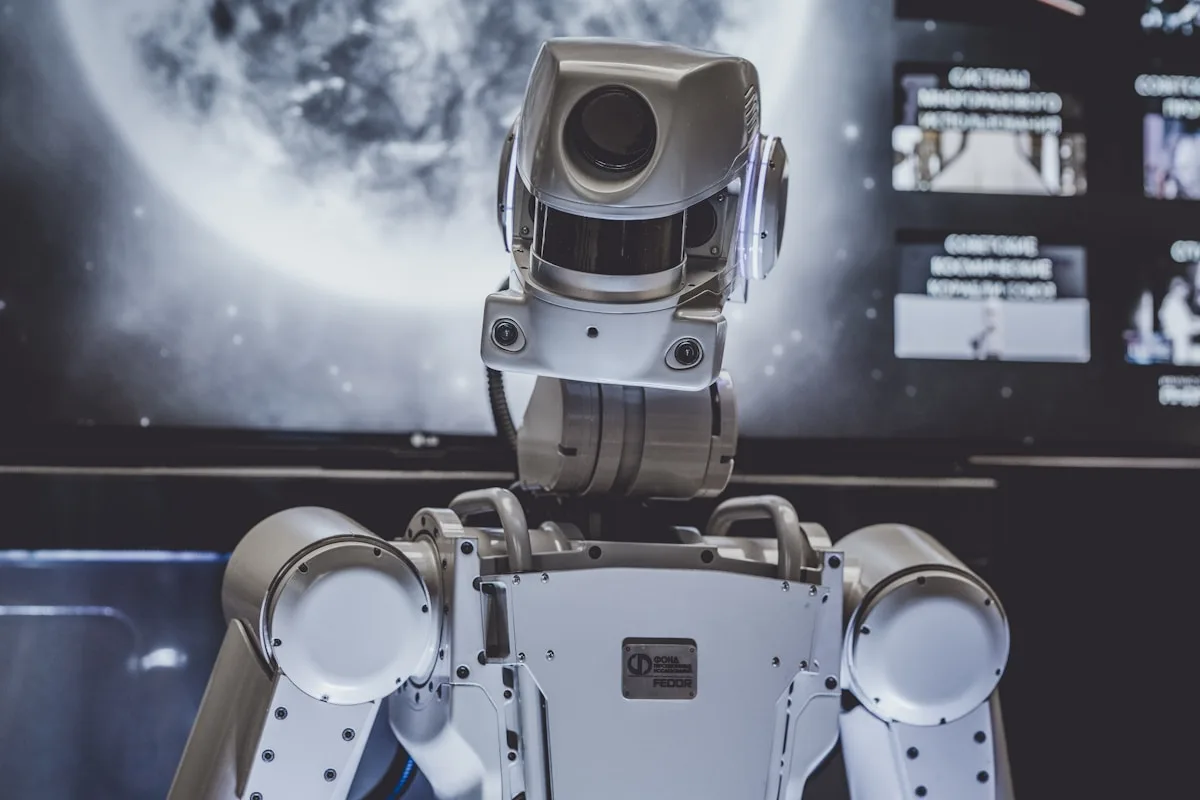
Image credit: Photo via Unsplash. Free to use under Unsplash License. · source
What just happened?
Language models have reached a turning point in robotics: they can now generate code for robot tasks that works reliably on the first try. According to MIT Tech Review, the gap between AI-generated code and code written by human engineers is narrowing dramatically.
VentureBeat independently confirmed the development, noting that this represents a significant shift in how robots can be programmed.
Why has this been so difficult?
Writing code for robots is fundamentally different from writing code for software applications. When a web app has a bug, it might display the wrong information. When a robot has a bug, it might crash into a wall or drop something valuable.
Robot code must account for physics, sensor noise, timing constraints, and the unpredictable nature of the real world. A command like "pick up the cup" requires dozens of underlying decisions about approach angles, grip strength, and collision avoidance. Getting all of these right on the first attempt has historically required deep expertise and extensive testing.
How does AI code generation work for robots?
Related coverage
More in AI Models
Chipmakers swung wildly this week, from a Tuesday 'chip-wreck' to a Micron-led surge after hours. What's actually going on with AI's hardware backbone?
Sarah Williams · 26 Jun · 5 min
The original Creator Studio was shut down in 2023. Now it's back, rebuilt around an AI assistant that promises to grow your audience and reply to comments in your voice.
Sarah Williams · 26 Jun · 5 min
At its annual Config conference, Figma announced coding layers, AI-generated motion graphics, and a reimagined canvas that blurs the line between design and full-stack development.
Sarah Williams · 26 Jun · 5 min
Everyone talks about chips and models. The memory bottleneck is the part of the AI buildout that keeps getting underestimated, and Micron's latest earnings make that case hard to ignore.