JPMorgan's 'AI Supercycle' Call Rests on Shaky Technical Foundations
The bank's bullish S&P forecast hinges on 'agentic AI' spending, but the research doesn't support the timeline they're implying.
Image credit: Image via Source article. Used under fair use for news commentary. · source
Most coverage of JPMorgan's new S&P 500 target has focused on the headline number and the phrase 'earnings supercycle.' What's been largely missed is the specific technical claim underlying the forecast: that advances in agentic AI will drive hyperscaler spending at rates sufficient to justify 20% earnings growth in 2026. This deserves scrutiny, because the research literature on agentic systems tells a rather different story than the one implied by Bloomberg's report.
Nataliia Lipikhina, head of EMEA equity strategy at JPMorgan Private Bank, told Bloomberg Television that the firm sees an earnings supercycle "to drive stocks to fresh records." The bank has lifted its S&P target accordingly, projecting 20% earnings growth for 2026. The mechanism, as described in the coverage, is straightforward: hyperscalers will continue spending heavily on AI infrastructure, and agentic AI specifically will be a key driver.
To be precise, the term 'agentic AI' refers to systems that can autonomously plan, execute multi-step tasks, and interact with external tools and environments. This is distinct from the current generation of large language models, which, despite impressive capabilities, largely operate in a request-response paradigm. The research community has been working on agentic architectures for several years now, with notable contributions from DeepMind, OpenAI, and academic labs at Stanford and Berkeley. But the gap between research demonstrations and production-ready enterprise systems remains substantial.
I know I'm being picky here, but the timeline matters enormously for an investment thesis. The most cited benchmarks for agentic systems, including SWE-bench for software engineering tasks and WebArena for web navigation, show that even frontier models struggle with multi-step reasoning under realistic conditions. A March 2026 paper from Google DeepMind (Nakano et al.) found that state-of-the-art agents completed only 34% of complex web tasks end-to-end without human intervention. This is genuinely new compared to where we were eighteen months ago, when completion rates hovered around 12%. But it's a long way from the reliable, autonomous systems that would justify the infrastructure spending JPMorgan is projecting.
Related coverage
More in AI Models
Chipmakers swung wildly this week, from a Tuesday 'chip-wreck' to a Micron-led surge after hours. What's actually going on with AI's hardware backbone?
Sarah Williams · 26 Jun · 5 min
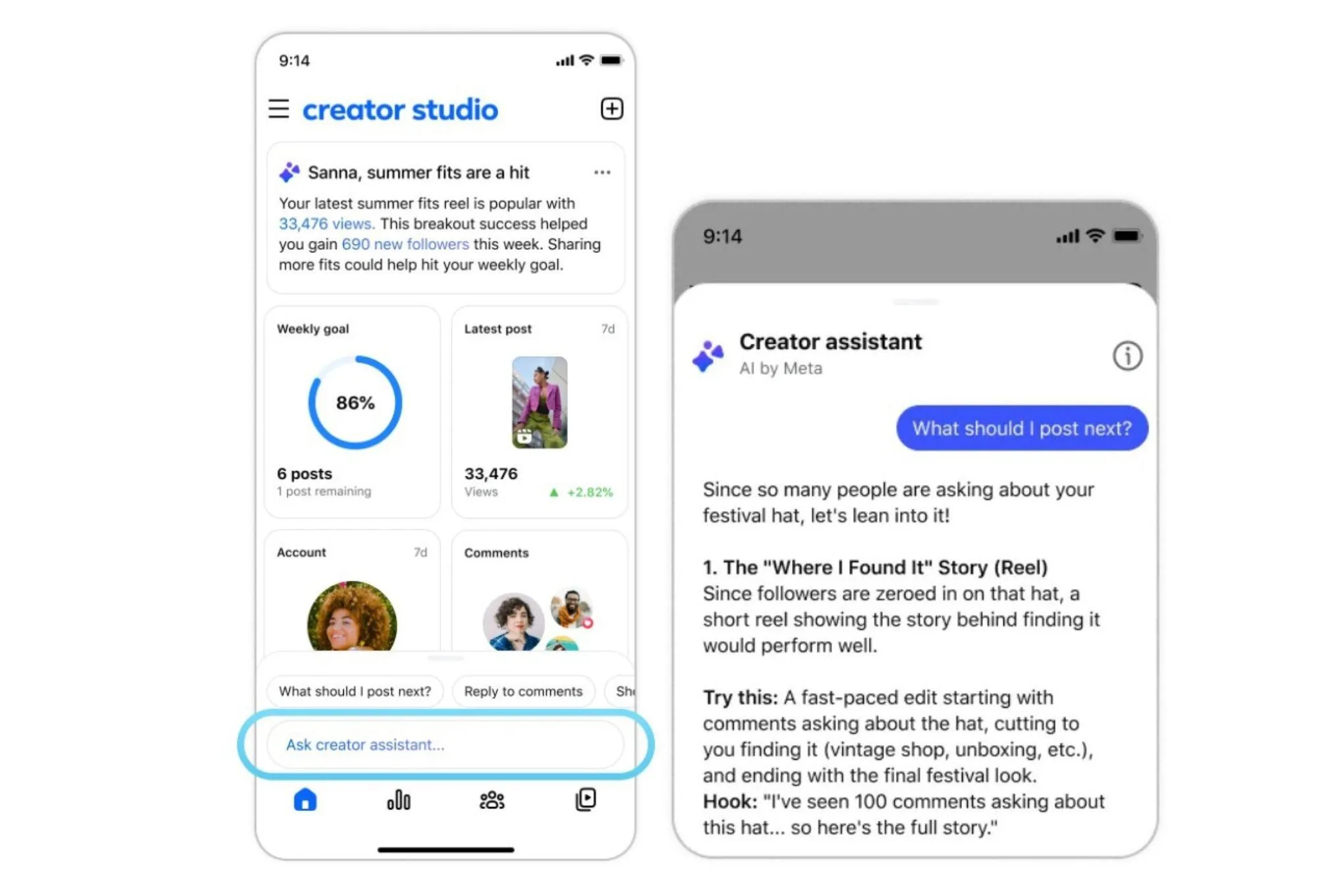
The original Creator Studio was shut down in 2023. Now it's back, rebuilt around an AI assistant that promises to grow your audience and reply to comments in your voice.
Sarah Williams · 26 Jun · 5 min
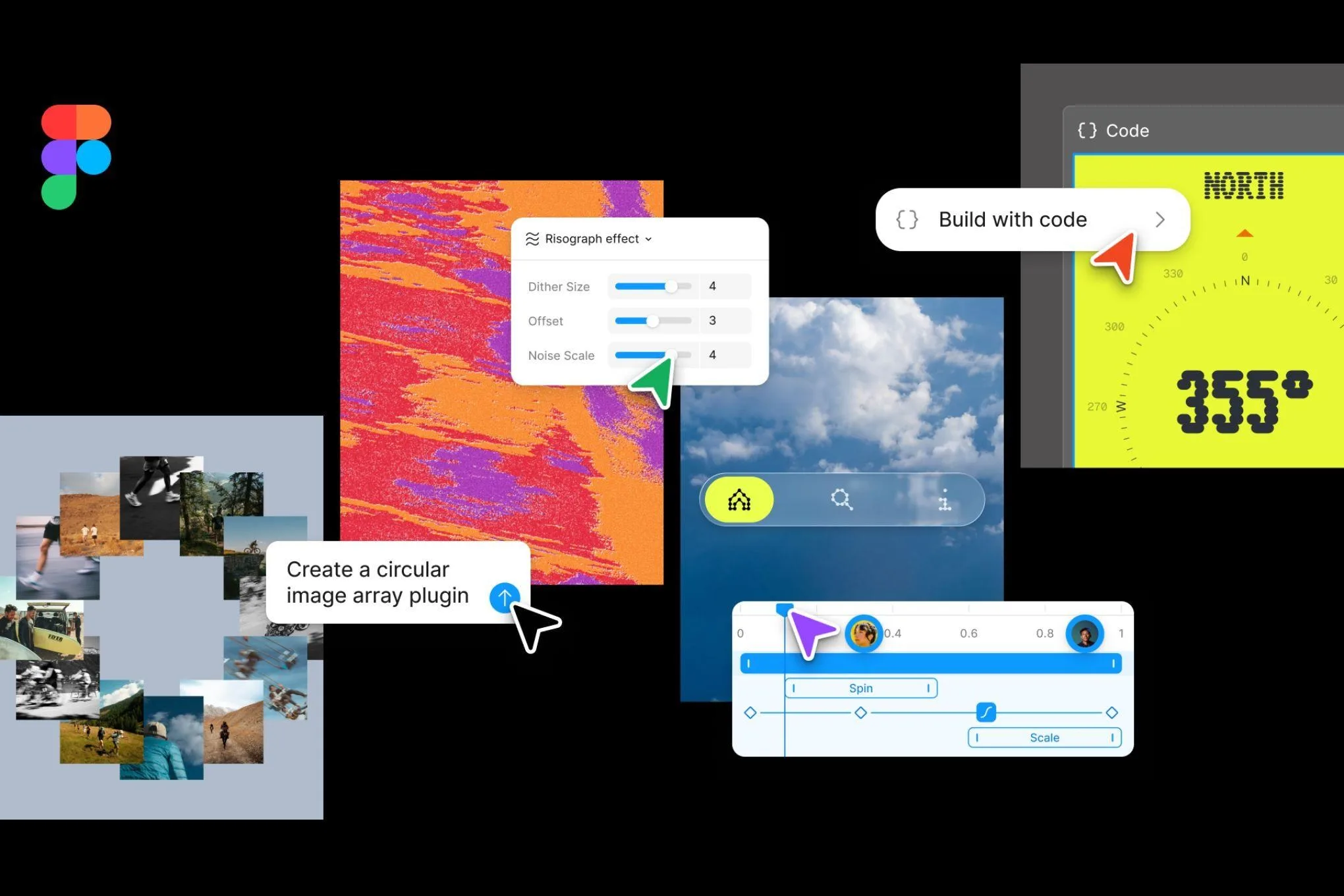
At its annual Config conference, Figma announced coding layers, AI-generated motion graphics, and a reimagined canvas that blurs the line between design and full-stack development.
Sarah Williams · 26 Jun · 5 min
Everyone talks about chips and models. The memory bottleneck is the part of the AI buildout that keeps getting underestimated, and Micron's latest earnings make that case hard to ignore.