Apple's AI Photo Tools Are a Tipping Point, Not a Breakthrough
iOS 27's new generative photo editing features are modest by industry standards, but their arrival on the world's most popular camera marks something worth paying attention to.
Image credit: Image via WIRED — AI. Used under fair use for news commentary. · source
Think of it like the moment spell-check became standard in word processors. Nobody called it artificial intelligence at the time, and it wasn't particularly sophisticated compared to what researchers were doing in computational linguistics labs. But it changed how hundreds of millions of people related to text, permanently. Apple's new AI photo editing tools in iOS 27 feel like that kind of moment. Not a technical leap. A normalization event.
To be precise, what Apple has shipped is not novel in any research sense. Generative inpainting, object removal, and image extension have been active areas of computer vision research for years, with papers like LaMa (Suvorov et al., 2022) and subsequent diffusion-based approaches demonstrating increasingly convincing results in controlled settings. Google's Pixel phones have offered Magic Eraser since 2021, and more recently, Generative Edit capabilities that go considerably further than what Apple is announcing now. Adobe has had generative fill in Photoshop for over two years. So when The Verge notes that "as far as AI photo editing goes, the new features in iOS 27 are pretty tame compared to what you can do on, say, Google's Pixel phones," that is an accurate and important framing.
What is genuinely new is the platform. The iPhone is, by most reasonable measures, the most popular camera in the world. When Apple ships a feature to that install base, even a conservative implementation of existing technology reaches a scale that no research paper and no competing product has yet touched. That matters, and I think it matters in ways that are only partially technical.
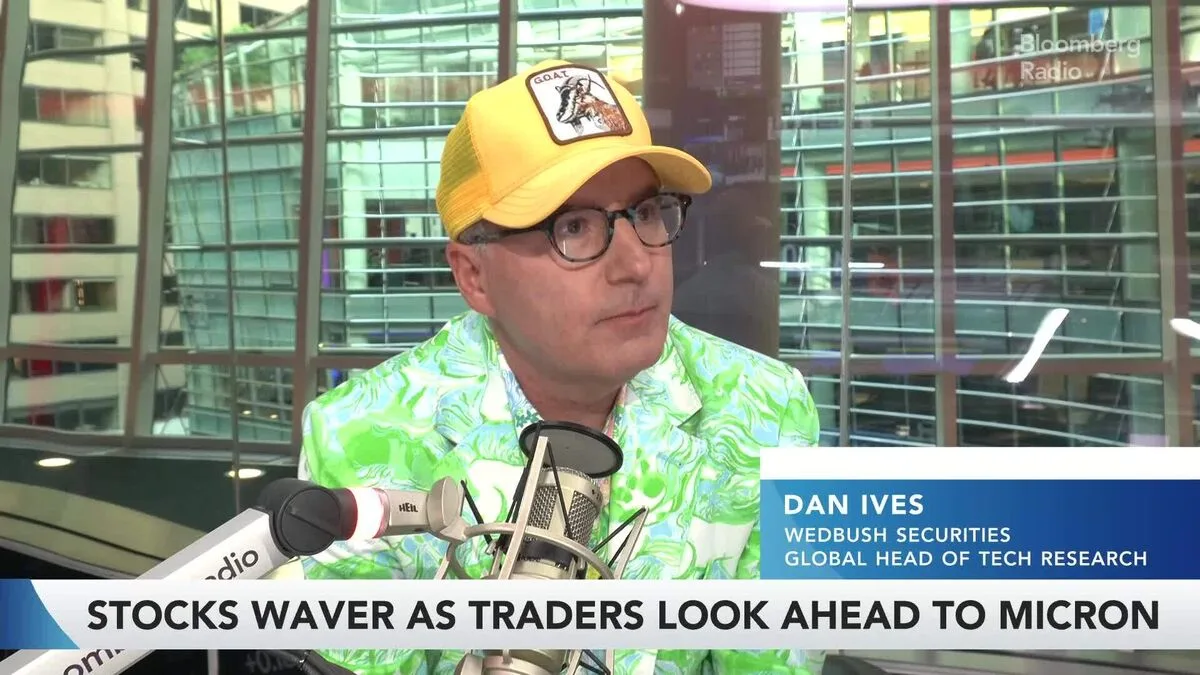
Chipmakers swung wildly this week, from a Tuesday 'chip-wreck' to a Micron-led surge after hours. What's actually going on with AI's hardware backbone?
Sarah Williams · 26 Jun · 5 min
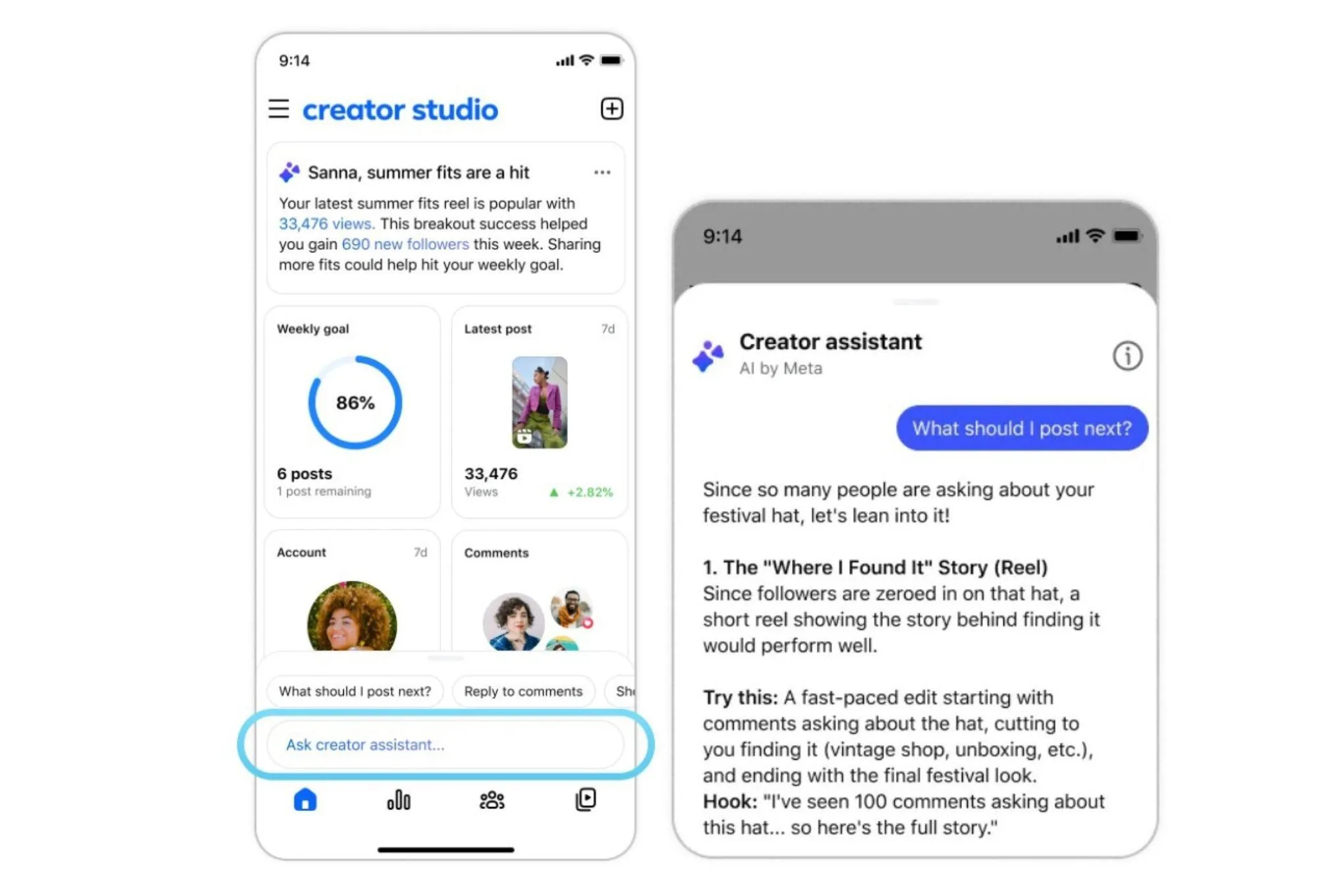
The original Creator Studio was shut down in 2023. Now it's back, rebuilt around an AI assistant that promises to grow your audience and reply to comments in your voice.
Sarah Williams · 26 Jun · 5 min
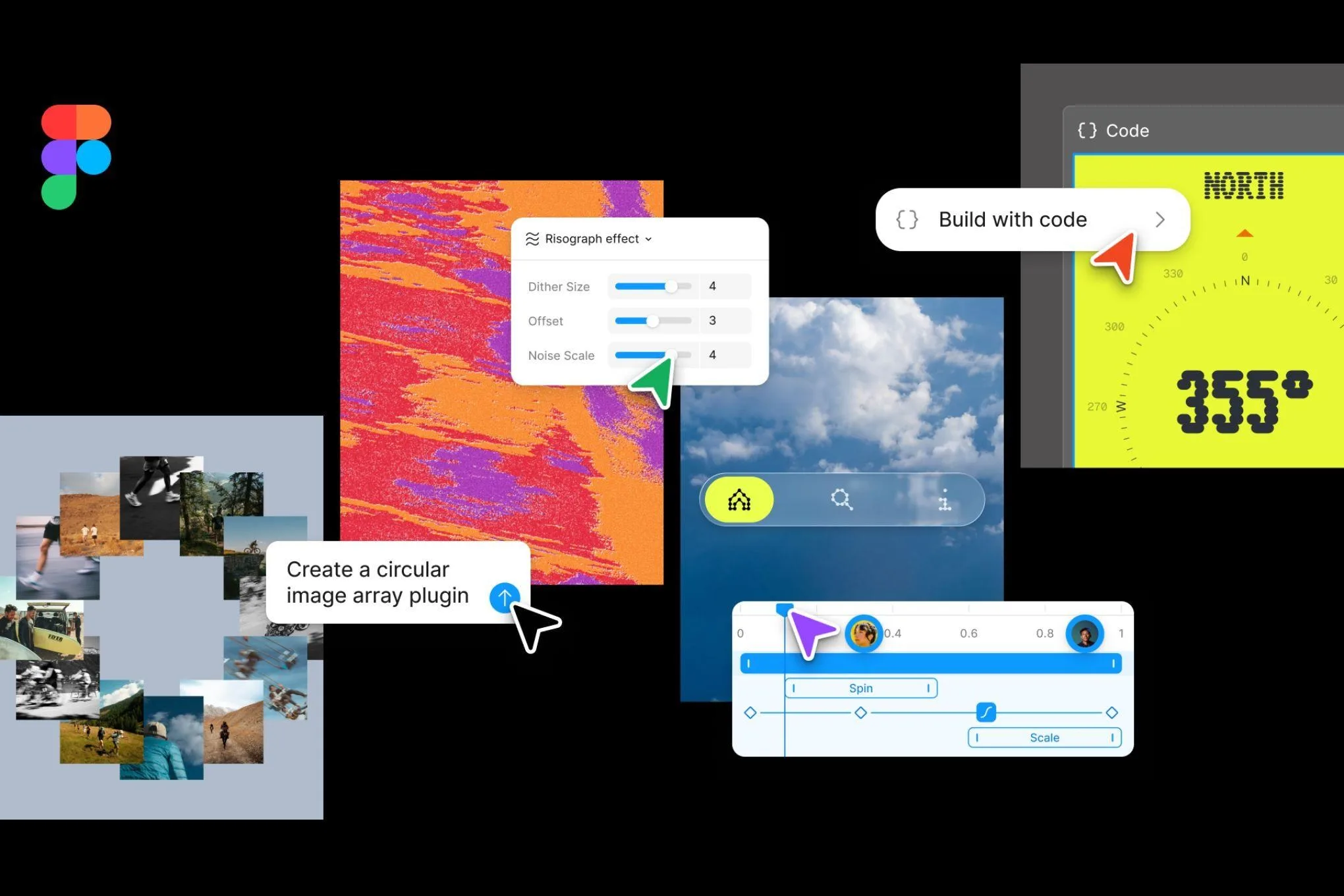
At its annual Config conference, Figma announced coding layers, AI-generated motion graphics, and a reimagined canvas that blurs the line between design and full-stack development.
Sarah Williams · 26 Jun · 5 min
Everyone talks about chips and models. The memory bottleneck is the part of the AI buildout that keeps getting underestimated, and Micron's latest earnings make that case hard to ignore.
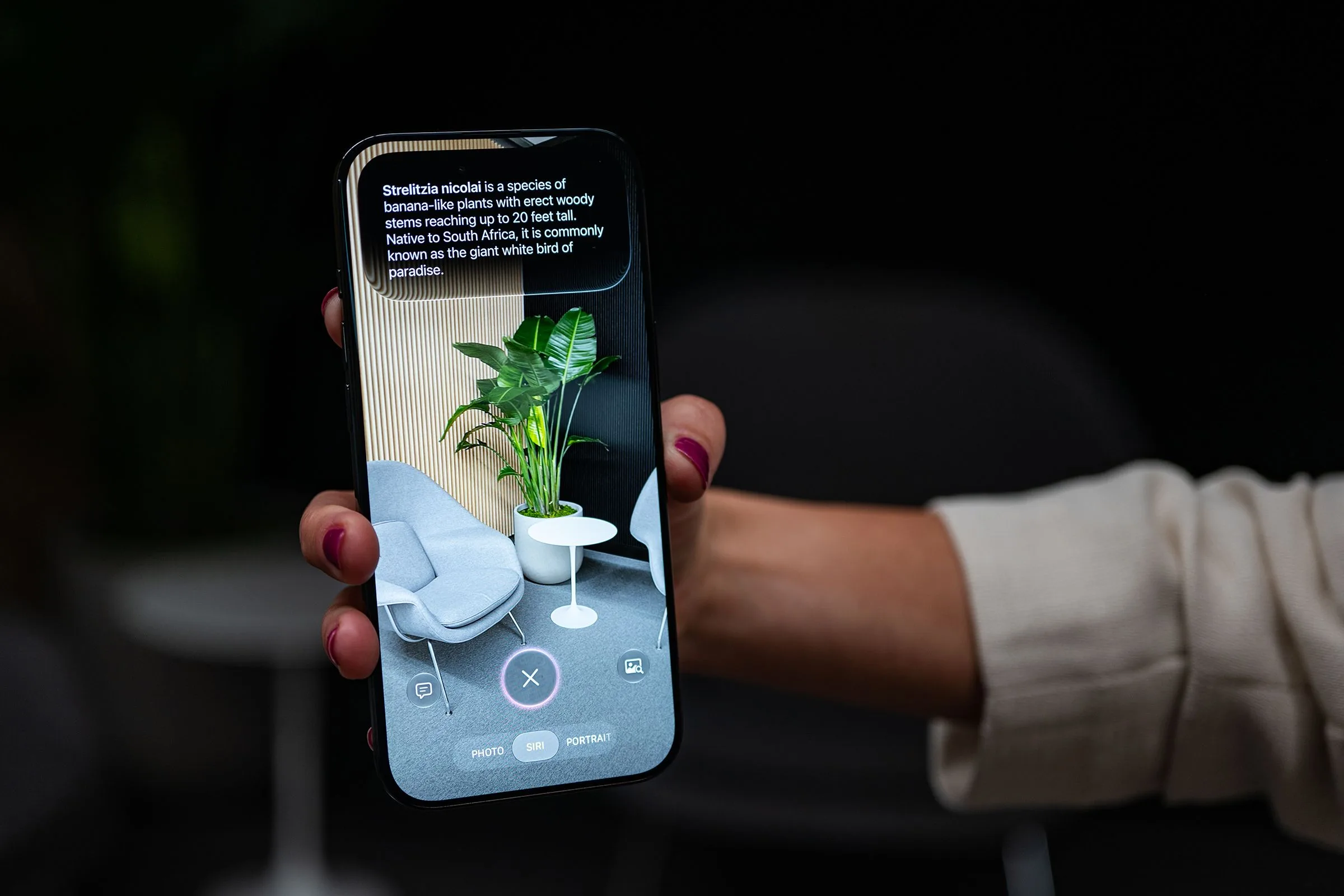
The iOS 27 Photos app includes three editing capabilities: Clean Up (object removal), Reframe (extending image borders using generated content), and what Apple is calling an enhanced version of its existing editing suite. The Verge's hands-on suggests these features "mostly work," which is a fair characterisation of where generative image editing sits right now across the industry. Consistency is still a genuine problem. Shadows, textures, and perspective-dependent structures remain harder to synthesise convincingly than flat backgrounds or open sky.
Apple's camera chief Jon McCormack has been explicit that the company is not using AI, in his words, "for the sake of AI." That framing is interesting partly because it is exactly what you would expect an Apple executive to say, and partly because it is probably true in the specific sense he means it. Apple's product philosophy has historically favoured restraint over feature maximalism, and the iOS 27 implementation appears to reflect that. The tools are bounded. They do not, for instance, allow wholesale regeneration of image content in the way that Midjourney or Stable Diffusion pipelines do. They are closer to sophisticated content-aware fill than to text-to-image generation.
It's worth noting that we are working from developer beta behaviour here. WIRED reports Apple's stated intentions, but the final implementation details, including exactly which model architectures are running on-device versus in the cloud, what the provenance metadata looks like, and how aggressively the system will flag AI-modified images, remain unclear ahead of the public release.
Here is where I want to push back against the "tame" framing, not because it is wrong technically, but because I think it underestimates what happens when conservative AI photo editing reaches a billion-plus devices.
The research literature on perceptual trust in images is not enormous, but what exists is fairly consistent. Studies including work from the MIT Media Lab and Dartmouth's Image Science Lab have repeatedly shown that people are poor at detecting even relatively crude image manipulations when those manipulations are contextually plausible. Removing a person from a crowd photograph, extending a landscape image to fill a wider frame, cleaning up a distracting background element: these are exactly the kinds of edits that land within human perceptual blind spots. The fact that Apple's tools are "tame" does not mean their outputs will be obviously synthetic. In many cases, the opposite will be true.
The Verge's reviewer captures something important, almost accidentally, when they write: "I don't think any of us are ready." That sentence is doing a lot of work. It gestures at a genuine epistemological shift, which is that photographs taken on iPhones, which is to say a substantial fraction of all photographs taken anywhere, will increasingly contain pixels that were not captured by the sensor but generated by a model. This is incremental over what was already possible with third-party apps, but the friction of using a third-party app is not trivial. Native, one-tap access to generative editing is categorically different in terms of adoption.
I know I am being picky here, but the distinction between "this is technically available" and "this is the default experience for a billion people" is not a small distinction. It is arguably the central one.
Several things remain unresolved, and I think they are the right things to be watching.
First, provenance. The Coalition for Content Provenance and Authenticity (C2PA) has developed standards for embedding metadata about AI-generated or AI-modified content into image files. Apple has not, as of the developer beta, made clear whether iOS 27's edited images will carry C2PA-compliant metadata by default. This is not a minor implementation detail. It is the difference between a world where AI-modified images are traceable and a world where they are not. Given that Apple controls both the hardware and the operating system, they are in a better position than almost any other company to implement this consistently. Whether they will is a different question.
Second, on-device versus cloud processing. Apple's privacy positioning has long centred on on-device computation, and the company has invested heavily in the Neural Engine in its A-series and M-series chips. Generative image models are computationally expensive, however, and it is not yet clear which operations in the iOS 27 Photos pipeline are running locally versus being offloaded to Apple's Private Cloud Compute infrastructure. This matters both for privacy and for understanding what the actual model capabilities are. Smaller, distilled models that run on-device will produce different (generally lower quality) outputs than larger models running in the cloud.
Third, the downstream effects on photojournalism standards and legal evidentiary use of photographs are genuinely uncertain. This is based on limited data, in the sense that we have not yet had a major news cycle in which AI-edited iPhone photos played a documented role in misinformation. But the structural conditions for that are now in place at scale.
What I would want to see next, and what I suspect we will not see quickly enough, is a clear public commitment from Apple on C2PA implementation timelines, independent testing of the on-device model's output consistency across diverse photographic conditions (the published benchmarks from Apple tend toward curated examples), and ideally some engagement from the computer vision research community on systematic evaluation of where the generation artifacts appear. The sample size of The Verge's hands-on is small, and the conditions were not controlled. That is not a criticism of the review; it is just not the same as a systematic evaluation.
Apple's restraint is real and probably sincere. McCormack's framing suggests the company has thought carefully about where to draw the line, at least for now. But restraint at the product level does not resolve the systemic questions that arise when generative image editing becomes the default experience for the world's largest camera platform. Those questions are less about what Apple shipped and more about what comes next, both from Apple and from everyone watching to see how conservative they actually stay.