Apollo and Blackstone Shopping $36 Billion Debt Deal to Supply Anthropic with Google TPUs
The private equity giants are seeking additional investors for what would be one of the largest AI infrastructure financing deals to date.
Image credit: Image via source article. Used under fair use for news commentary. · source
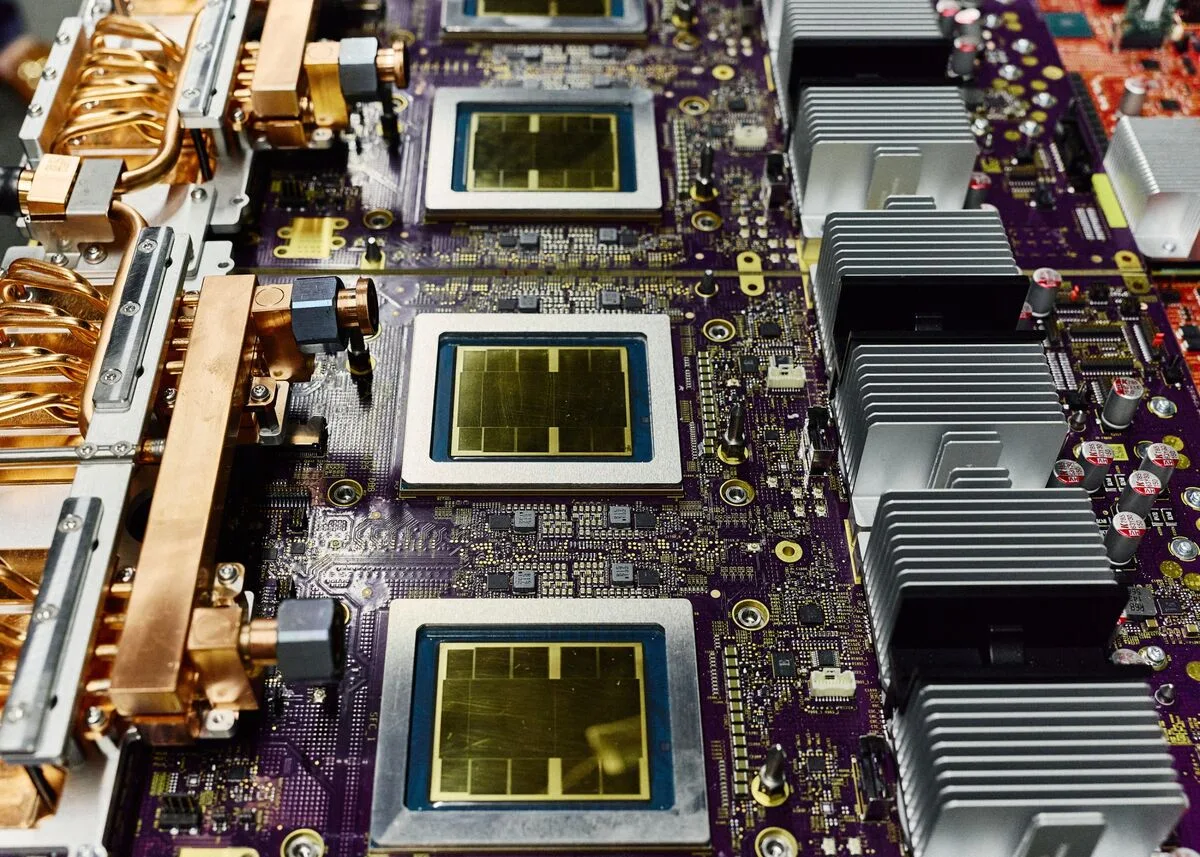
Apollo Global Management and Blackstone are working to bring additional investors into a roughly $36 billion debt financing deal that would supply Anthropic with Google's custom tensor processing units.
That's $36 billion. With a B. For context, that's larger than the GDP of over 80 countries.
The deal structure is notable: the debt will be used to purchase Google's TPUs, which Anthropic will then lease, according to Bloomberg. It's essentially a massive equipment financing arrangement, the kind of thing you'd see for aircraft or shipping containers, except the equipment here is AI accelerators.
What does this tell us about AI compute economics?
The scale here is striking, but it's the structure that caught my attention. Anthropic isn't buying these chips outright. They're not even taking on the debt directly. Instead, Apollo and Blackstone are effectively becoming AI infrastructure landlords, purchasing hardware that Anthropic will lease.
From my time in hardware, I've seen this model before in industrial automation. When you need expensive equipment but want to preserve capital, you lease. But $36 billion worth of leased compute suggests something about Anthropic's cash position, or at least their preference for keeping that cash liquid for other purposes (like, say, actually training models).
The involvement of private equity giants also signals that traditional finance sees AI infrastructure as a bankable asset class. TPUs depreciate, sure, but apparently not fast enough to spook Apollo and Blackstone.
Related coverage
More in AI Models
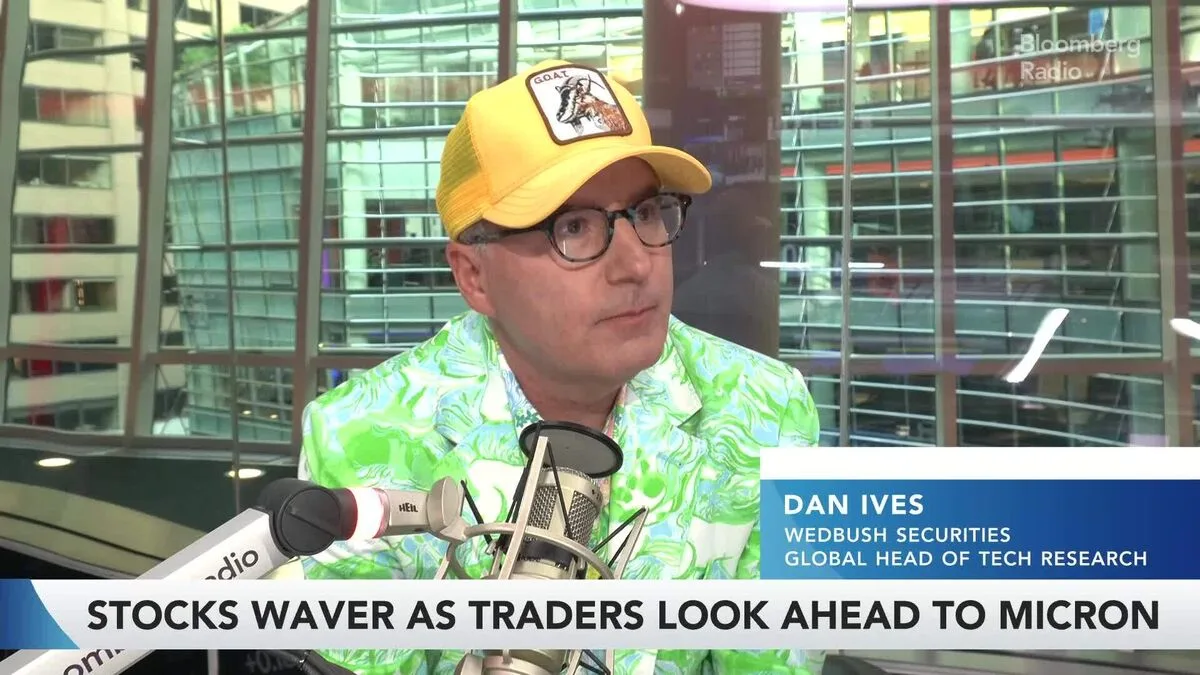
Chipmakers swung wildly this week, from a Tuesday 'chip-wreck' to a Micron-led surge after hours. What's actually going on with AI's hardware backbone?
Sarah Williams · 26 Jun · 5 min
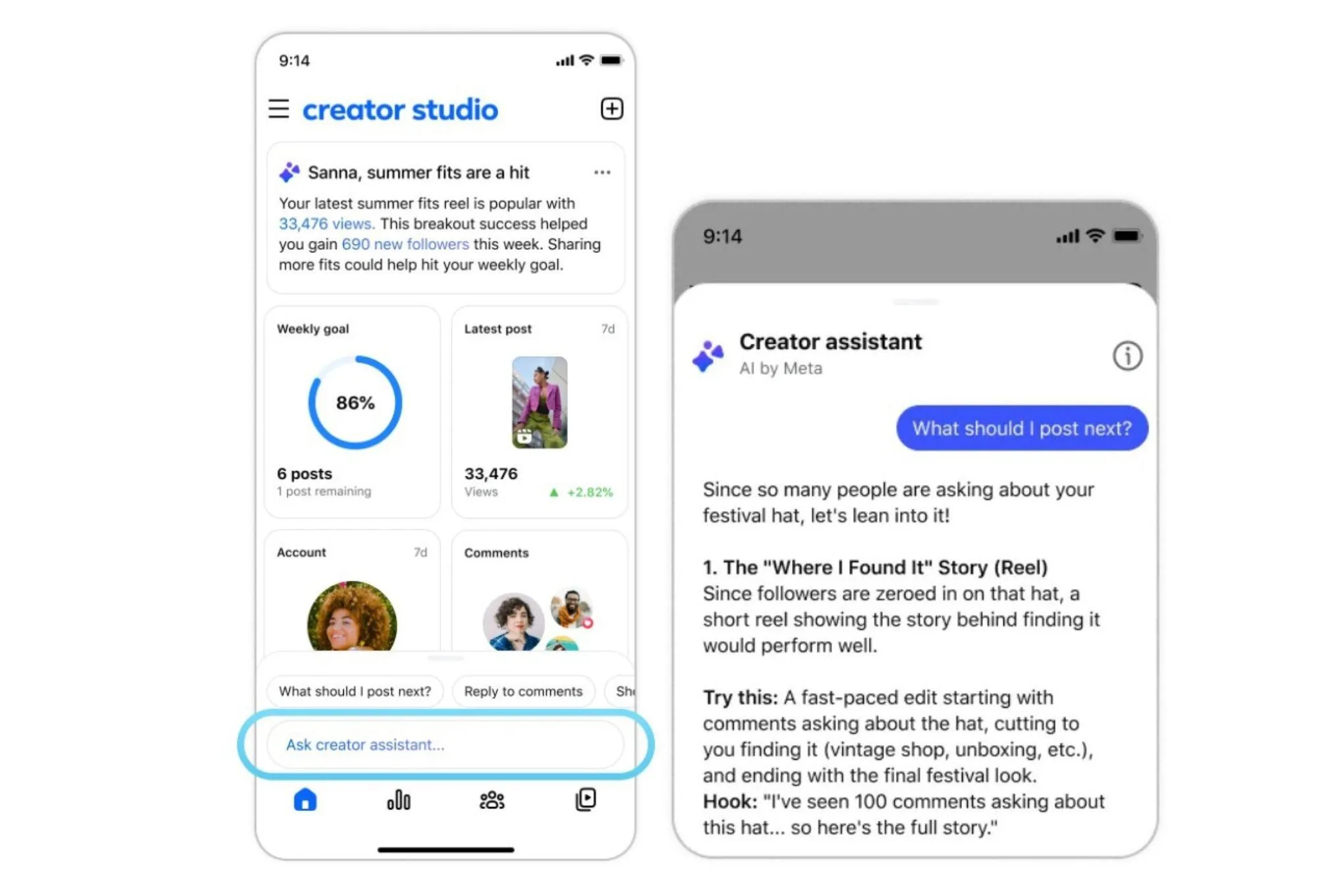
The original Creator Studio was shut down in 2023. Now it's back, rebuilt around an AI assistant that promises to grow your audience and reply to comments in your voice.
Sarah Williams · 26 Jun · 5 min
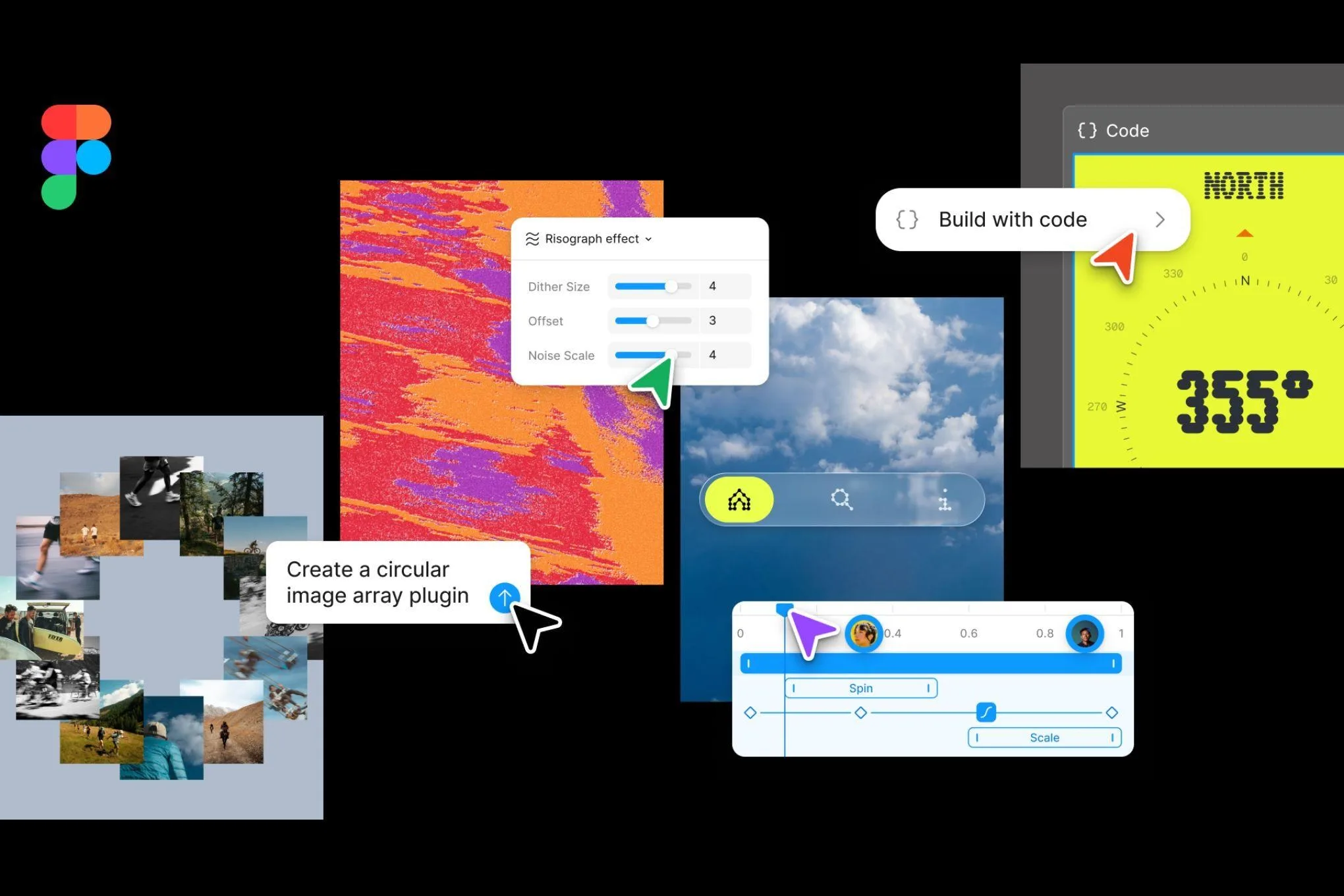
At its annual Config conference, Figma announced coding layers, AI-generated motion graphics, and a reimagined canvas that blurs the line between design and full-stack development.
Sarah Williams · 26 Jun · 5 min
Everyone talks about chips and models. The memory bottleneck is the part of the AI buildout that keeps getting underestimated, and Micron's latest earnings make that case hard to ignore.