AI tools save time, but most companies squander the gains, new research finds
Employees are adopting AI faster than ever, but productivity gains remain murky at best, and cognitive fatigue is becoming a real problem.
Image credit: Image via Source article. Used under fair use for news commentary. · source
Most companies using AI tools are saving time but have no idea what to do with it. That's the blunt conclusion from a new study covered by Bloomberg, which found that while employees across industries are adopting AI at a rapid clip, the actual productivity impact remains "uneven and muddled."
I've seen enough spec sheets promising 10x efficiency gains to be skeptical of most AI productivity claims. This research suggests that skepticism is warranted.
What does "wasted gains" actually mean?
The core problem isn't the tools themselves. It's that organizations haven't figured out how to redeploy the time AI frees up. An employee who saves 45 minutes drafting emails doesn't automatically become 45 minutes more productive. In many cases, that time just... disappears. Gets absorbed into longer meetings, more Slack threads, additional review cycles.
Meanwhile, separate research highlighted by ZDNet points to another issue: cognitive fatigue. Workers are actually working harder, not smarter, when using AI tools. The constant context-switching between human judgment and AI output appears to be mentally taxing in ways we're only beginning to understand.
From my time in hardware, I remember similar patterns when we'd introduce new automation equipment. The machines worked fine. The problem was always the workflow around them.
Related coverage
More in AI Models
Chipmakers swung wildly this week, from a Tuesday 'chip-wreck' to a Micron-led surge after hours. What's actually going on with AI's hardware backbone?
Sarah Williams · 26 Jun · 5 min
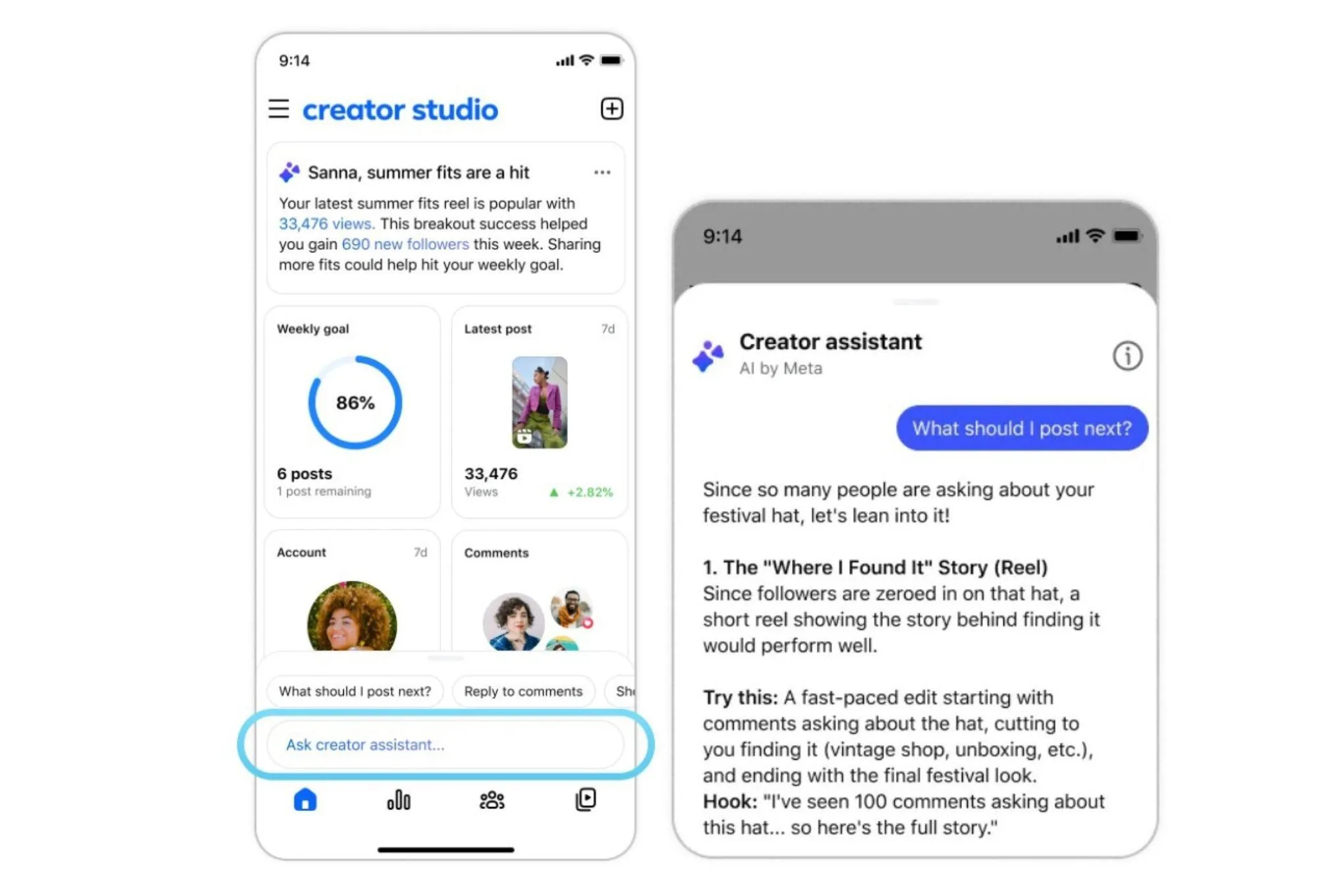
The original Creator Studio was shut down in 2023. Now it's back, rebuilt around an AI assistant that promises to grow your audience and reply to comments in your voice.
Sarah Williams · 26 Jun · 5 min
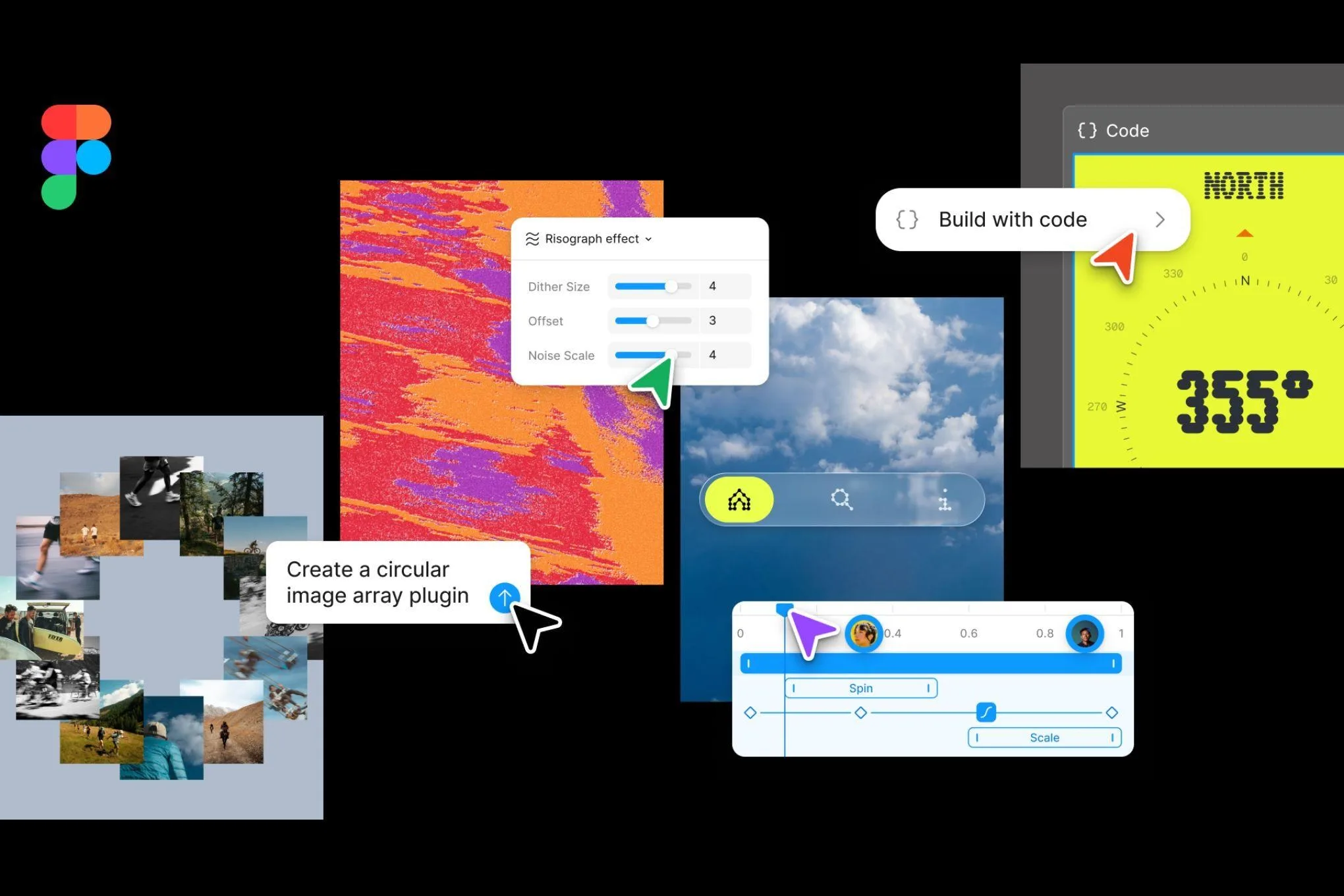
At its annual Config conference, Figma announced coding layers, AI-generated motion graphics, and a reimagined canvas that blurs the line between design and full-stack development.
Sarah Williams · 26 Jun · 5 min
Everyone talks about chips and models. The memory bottleneck is the part of the AI buildout that keeps getting underestimated, and Micron's latest earnings make that case hard to ignore.