Image credit: Image via TechCrunch — AI. Used under fair use for news commentary. · source
40,000. That's a rough count of tech workers laid off in 2026 so far where the employer specifically cited AI as a factor, according to TechCrunch. Forty thousand people. That's not a rounding error. That's a city.
I'll be honest, when I first started seeing those numbers stack up, my gut said: here we go. I spent 12 years at Kuka watching automation anxiety ripple through factory floors every time we installed a new cell. Workers convinced the robot was coming for their job. Sometimes they were right. Sometimes the robot just made their job less terrible. But the fear was always the same.
So when the AI-killed-my-job narrative started picking up steam in the tech press, I expected engineers to be front and centre in the casualty list. These are, after all, the people building the systems. Surely they'd be replaced first, or at least cannibalized by their own creations.
Data from SignalFire, a venture capital firm that tracks hiring trends, shows that engineers as a share of total new hires have actually increased during the AI hiring wave, not shrunk. TechCrunch covered the numbers and the headline says it plainly: engineering jobs appear to be the most resilient category in tech right now.
Related coverage
More in AI Models
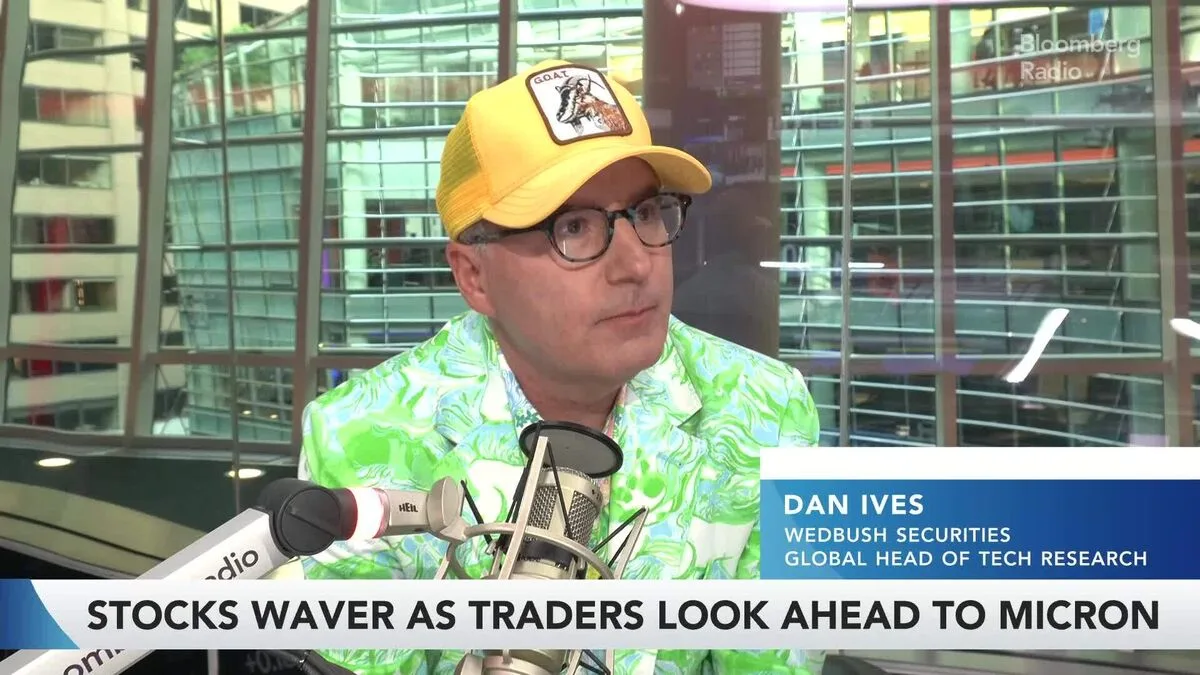
Chipmakers swung wildly this week, from a Tuesday 'chip-wreck' to a Micron-led surge after hours. What's actually going on with AI's hardware backbone?
Sarah Williams · 26 Jun · 5 min
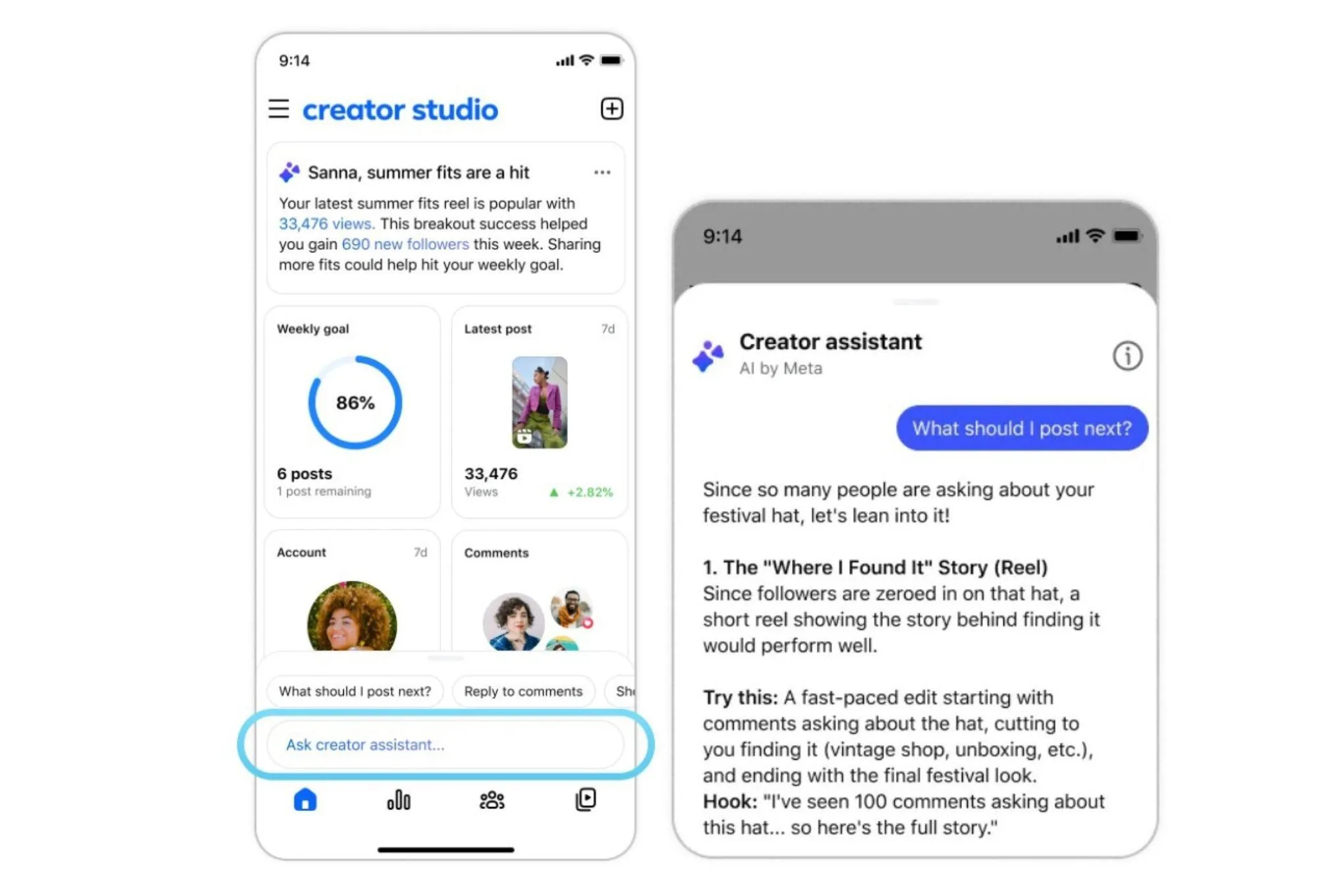
The original Creator Studio was shut down in 2023. Now it's back, rebuilt around an AI assistant that promises to grow your audience and reply to comments in your voice.
Sarah Williams · 26 Jun · 5 min
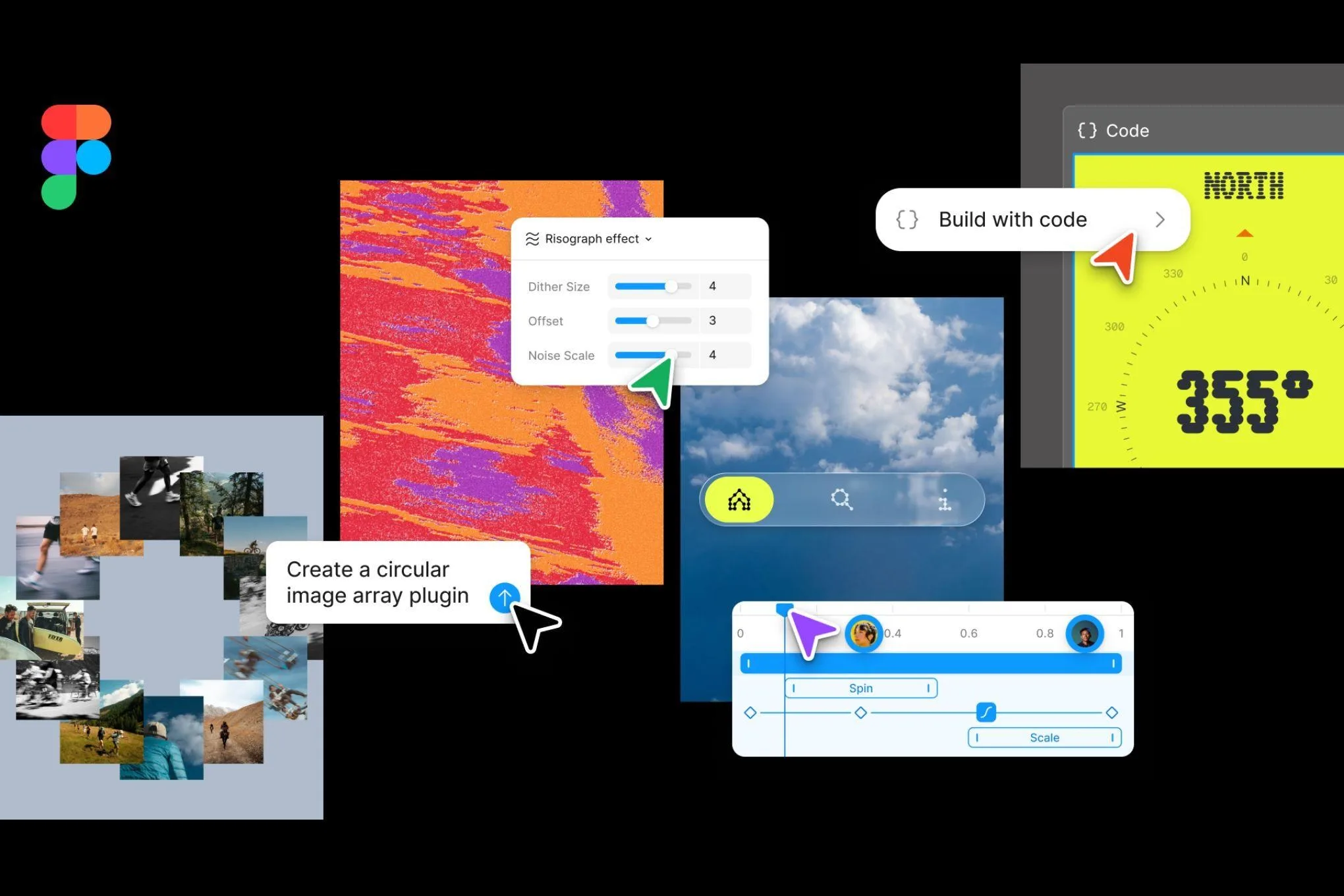
At its annual Config conference, Figma announced coding layers, AI-generated motion graphics, and a reimagined canvas that blurs the line between design and full-stack development.
Sarah Williams · 26 Jun · 5 min
Everyone talks about chips and models. The memory bottleneck is the part of the AI buildout that keeps getting underestimated, and Micron's latest earnings make that case hard to ignore.
This is based on SignalFire's dataset, which is substantial but not exhaustive. It's worth saying that clearly. We don't have a complete picture of the whole labour market here, and the data skews toward venture-backed companies. Small sample caveat applies.
But the directional signal is interesting. While recruiters, customer support staff, and middle-management layers are getting thinned out by AI tooling, the people who actually build and maintain complex systems seem to be doing okay. More than okay, proportionally speaking.
When I was at Kuka, we'd install a system, the customer would celebrate, and then three months later we'd get a call because something wasn't behaving right. Not broken, exactly. Just... drifting. Tolerances shifting. A sensor calibration that needed attention. The kind of thing that doesn't show up in a demo but absolutely shows up at 2am on a production line.
AI systems have the same problem, just in software. You can deploy a model that handles customer queries or writes code or summarizes documents, and it'll work great until it doesn't. And when it doesn't, you need an engineer to figure out why. The more AI you deploy, the more engineering capacity you need to keep it running, tune it, retrain it, and integrate it with everything else in the stack. That's not going away.
This is sort of the dirty secret of automation in general. You replace labour in one place and you create a different kind of labour demand somewhere else. Usually more skilled, often more expensive, sometimes fewer people overall but not always.
The layoff list makes for grim reading. The companies citing AI as a reason for cuts span enterprise software, fintech, media, and services. The roles disappearing fastest seem to be the ones that involve processing, routing, or summarizing information at scale. Things AI genuinely does well enough to replace a human doing a repetitive version of that task.
This raises questions about... well, multiple things. Whether those roles will come back in different forms. Whether the productivity gains actually get shared with workers or just flow to shareholders. Whether the engineers currently thriving are a protected class for the long term or just delayed in their own reckoning.
I don't have clean answers to any of that. Anyone who tells you they do is selling something.
What I do think is that the "AI kills all jobs" narrative and the "AI creates all jobs" counter-narrative are both too simple. What's actually happening is more granular. Some roles are being eliminated. Some are being augmented. Some are being created from scratch. The mix varies enormously by industry, by company size, and by how much technical debt the organization is carrying.
I keep coming back to industrial settings, because that's where I spent my career. Warehouses, production lines, assembly cells. The automation story there is older and in some ways more honest than the current AI moment. We've been replacing tasks, not jobs, for decades. A palletizing robot doesn't eliminate a warehouse worker; it eliminates the specific act of lifting boxes onto pallets for eight hours. The worker usually moves to something else, or doesn't, depending on what else is available.
The white-collar AI story is playing out faster and with less physical visibility, but the underlying dynamic looks familiar to me. The question isn't whether AI replaces humans. It's which humans, doing which tasks, in which industries, on what timeline.
Engineers, for now, seem to be on the right side of that question. How long that holds is genuinely unclear. But I'd rather be an engineer right now than a content moderator or a junior analyst. That much seems safe to say.