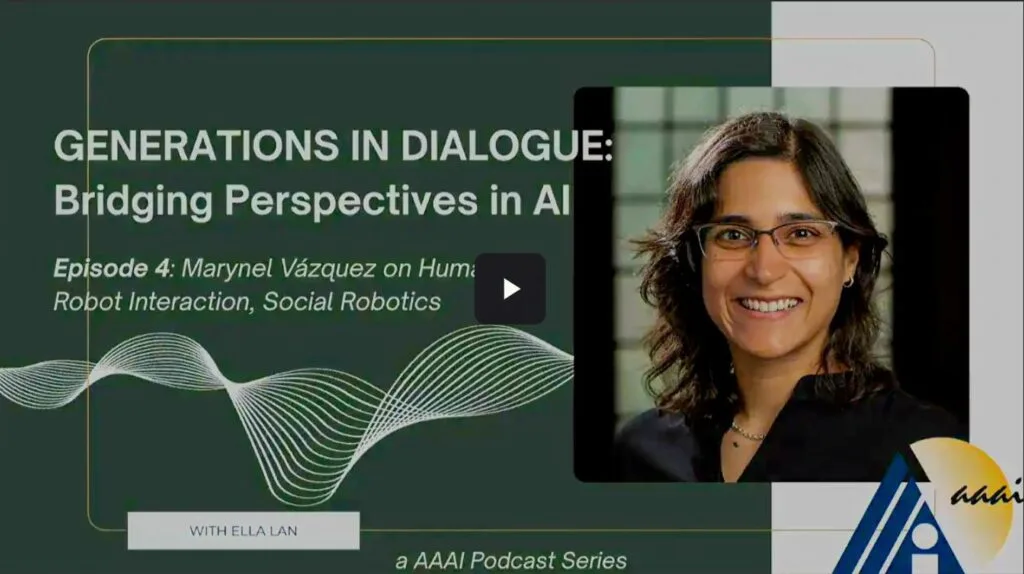
AAAI's New Podcast Asks: What If Your Age Shapes How You See AI?
The 'Generations in Dialogue' series brings together AI researchers from different eras to explore how when you grew up might matter as much as what you study.
Image credit: Image via Robohub. Used under fair use for news commentary. · source
You know how talking to your parents about technology can feel like you're speaking different languages? Not because anyone's wrong, but because you're starting from completely different reference points. That gap, that generational lens thing, is something the AI research community doesn't talk about enough. And honestly, I think it matters more than we realize.
The Association for the Advancement of Artificial Intelligence (AAAI) just launched a podcast called "Generations in Dialogue: Bridging Perspectives in AI" that's trying to dig into exactly this. The premise is simple but kind of fascinating: bring together AI experts from different age groups and backgrounds, then see what happens when they actually talk to each other about the field.
I initially thought this was going to be one of those "kids these days" versus "back in my day" conversations. But the more I looked at the episode lineup, the more I realized there's something genuinely interesting here.
Think about it. If you started doing AI research in the 1980s, you lived through multiple AI winters. You watched funding dry up, watched colleagues leave the field, watched the hype cycle crash and burn. That shapes you. You're probably more skeptical of big promises, more focused on what actually works versus what sounds impressive.
But if you entered the field in, say, 2018? You've only known the boom times. Transformers, GPT, massive compute budgets. Your reference point for "normal" is completely different.
Related coverage
More in AI Models
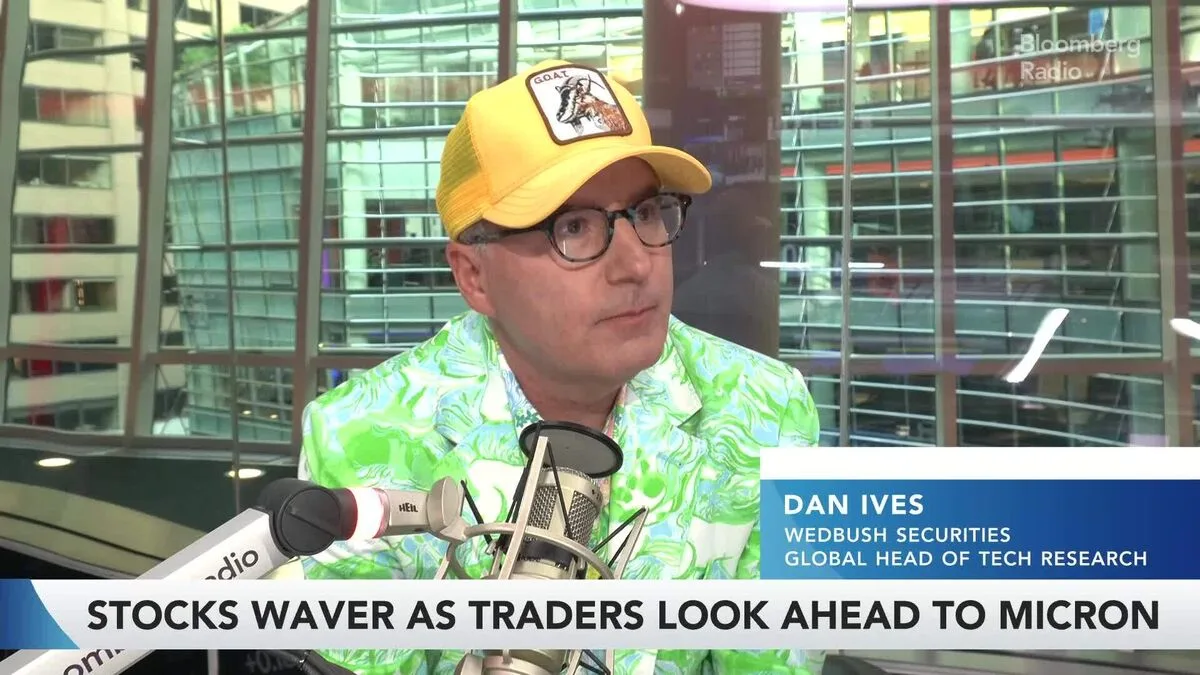
Chipmakers swung wildly this week, from a Tuesday 'chip-wreck' to a Micron-led surge after hours. What's actually going on with AI's hardware backbone?
Sarah Williams · 26 Jun · 5 min
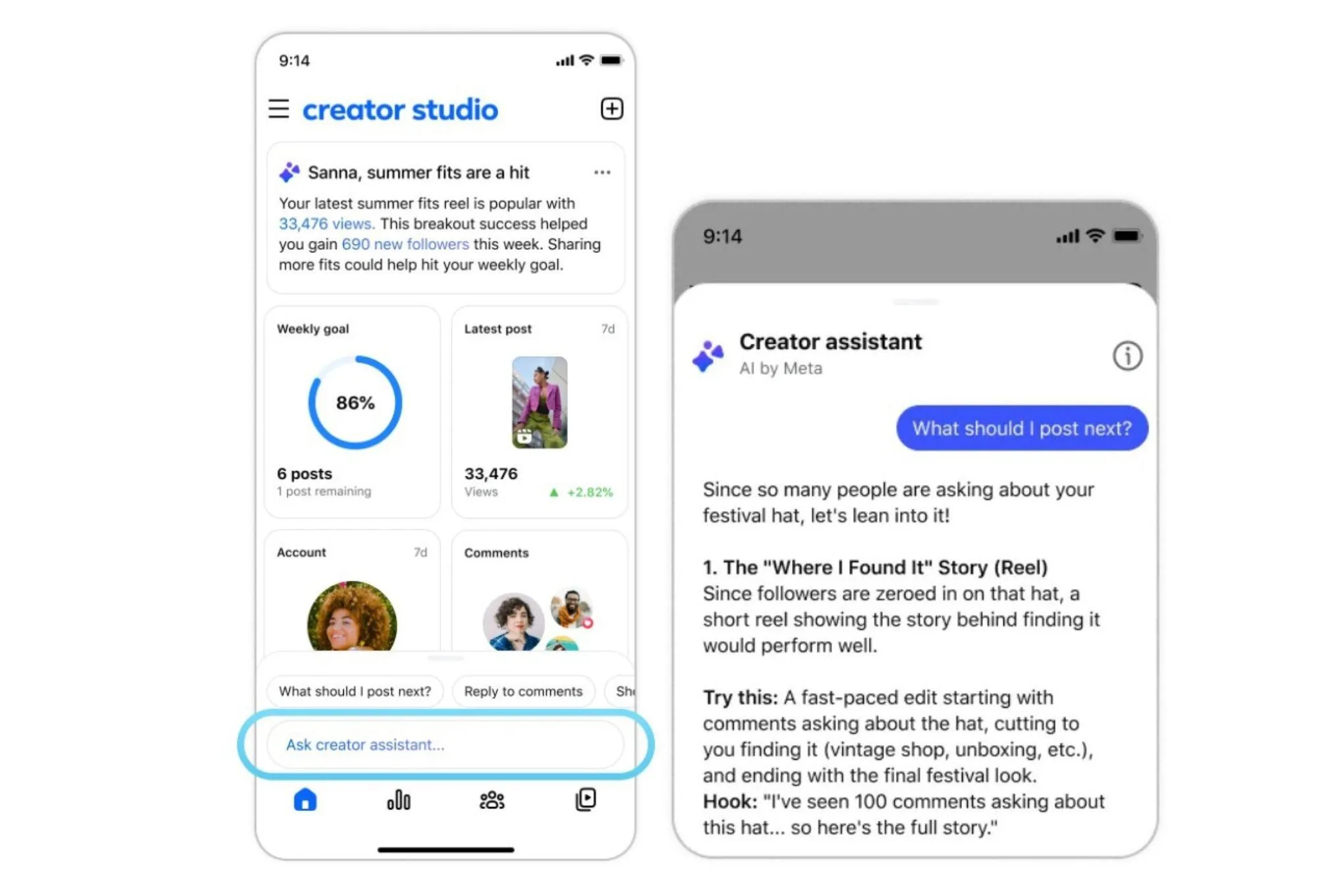
The original Creator Studio was shut down in 2023. Now it's back, rebuilt around an AI assistant that promises to grow your audience and reply to comments in your voice.
Sarah Williams · 26 Jun · 5 min
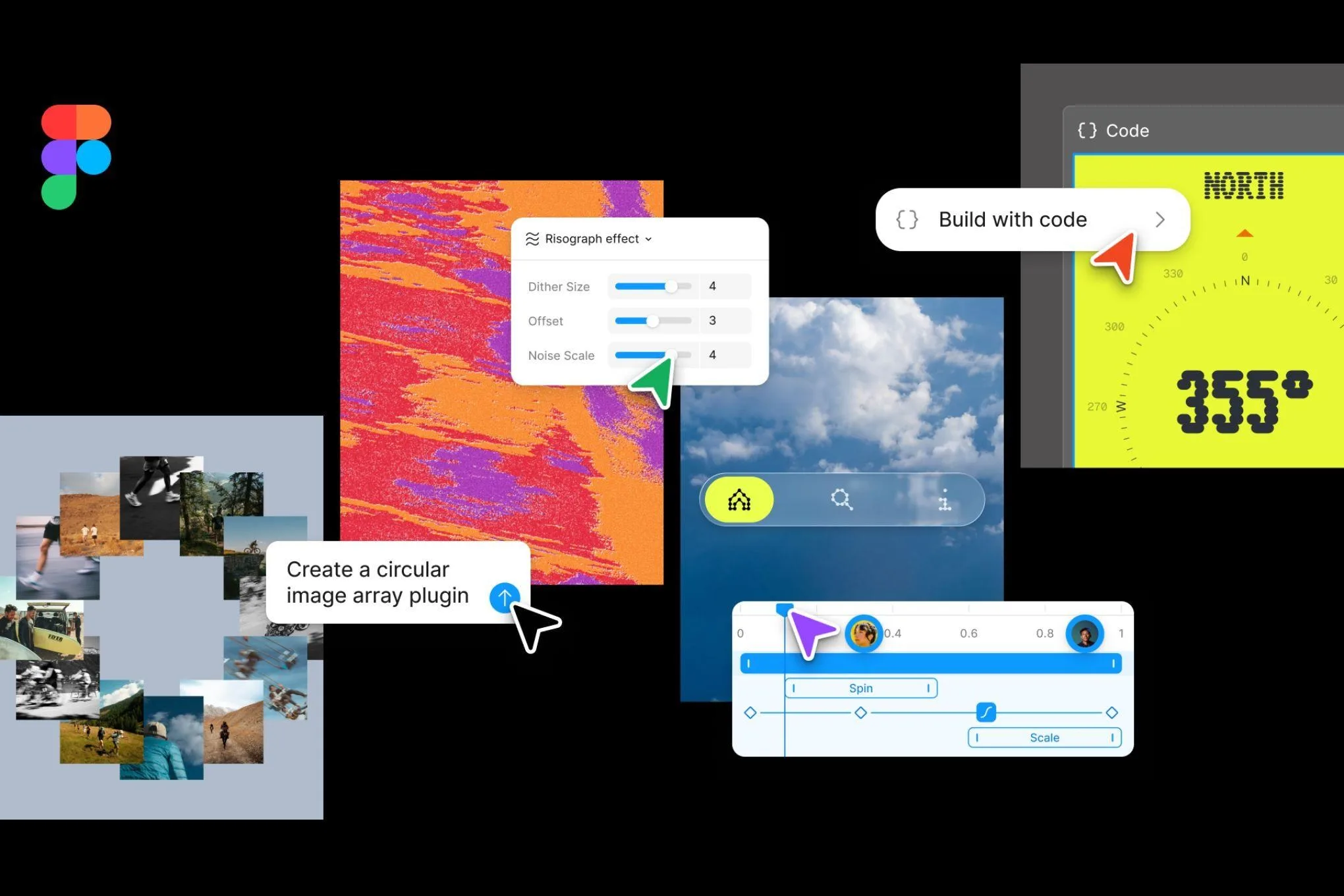
At its annual Config conference, Figma announced coding layers, AI-generated motion graphics, and a reimagined canvas that blurs the line between design and full-stack development.
Sarah Williams · 26 Jun · 5 min
Everyone talks about chips and models. The memory bottleneck is the part of the AI buildout that keeps getting underestimated, and Micron's latest earnings make that case hard to ignore.
Neither perspective is right or wrong. But they lead to different intuitions about risk, about timelines, about what problems are worth solving. And I don't think the field talks about this enough.
That last one is particularly relevant to what I cover. Embodied AI is having a moment right now (humanoids everywhere, as regular readers know), but the field has been around for decades. The researchers who've been thinking about robot bodies since the 1990s have a very different take on current developments than the folks who jumped in because of recent foundation model advances.
The ethical dimension keeps coming up. Each episode apparently explores "the challenges, opportunities, and ethical considerations that come with the advancement of this transformative technology." Which, okay, sounds a bit boilerplate when you write it out. But the generational angle makes it more interesting. What counts as an ethical concern has shifted dramatically over the decades. Bias in training data wasn't really on anyone's radar in 1995. Job displacement was, but framed very differently.
Honestly, I'm not sure yet. The podcast just launched, so it's too early to say whether these conversations will produce genuine insights or just be academics being polite to each other across generational lines.
But here's what I think could be valuable: making implicit assumptions explicit.
A lot of disagreements in AI (about safety, about timelines, about deployment) come down to different priors. And those priors often trace back to formative experiences. If you can surface that, if you can get someone to say "I believe this because I watched X happen in 1987," that's actually useful. It helps everyone understand where the disagreement is actually coming from.
The flip side is that this could devolve into nostalgia or generational sniping. "Young researchers don't appreciate the fundamentals." "Old researchers are stuck in their ways." You know the script. I'm hoping AAAI threads that needle, but we'll see.
One thing I noticed: the framing is very academic. Experts, practitioners, researchers. Which makes sense, it's AAAI. But some of the most interesting generational gaps in AI aren't between researchers of different ages. They're between researchers and the general public.
My parents' mental model of AI is basically science fiction from the 1980s plus whatever they've seen on the news in the last two years. That's a huge gap from how actual practitioners think about the technology. And that gap matters for policy, for public trust, for how this stuff actually gets deployed.
Maybe that's outside the scope of what AAAI is trying to do here. But I'd love to see someone tackle it.
If you're in the robotics or AI space, probably yes? At minimum, the episode on embodied AI with Martín-Martín seems worth checking out given how much is happening in that area right now.
I should be honest though: I haven't listened to full episodes yet, just read the descriptions and some of the surrounding coverage. So I can't vouch for the actual quality of the conversations. The concept is solid. Execution remains to be seen.
What I do know is that the AI field moves so fast that it's easy to forget how much historical context shapes current debates. Anything that slows us down enough to actually examine our assumptions seems, in a way, pretty valuable right now.
The podcast is available through AAAI's channels. I'll probably do a deeper dive once more episodes are out and I can see if the format actually delivers on its promise.