Image credit: Image via MIT Technology Review — AI. Used under fair use for news commentary. · source
Eighty-five percent of organizations say they want to be "agentic" within three years. Seventy-six percent admit their current operations can't support that goal. That's not a rounding error. That's a nine-point gap between what companies are promising their boards and what their infrastructure can actually deliver.
The figures come from MIT Technology Review, which surveyed enterprise AI adoption and found a familiar pattern: ambition racing ahead of execution. The culprits are the usual suspects, people, processes, and workflows that weren't designed for autonomous AI systems making decisions at scale.
I've seen enough spec sheets to know when a technology is ready for production and when it's still a proof of concept dressed up for the trade show floor. Right now, enterprise agentic AI looks a lot like the latter.
The term gets thrown around loosely, so let's be precise. Agentic AI refers to systems that can take autonomous actions, not just generate text or classify images, but actually execute multi-step tasks with minimal human oversight. Think: an AI that doesn't just draft an email but sends it, schedules the follow-up meeting, and updates the CRM. Autonomously.
That's a fundamentally different deployment challenge than a chatbot. You're not just worried about hallucinations anymore. You're worried about an AI agent booking $50,000 in travel expenses because it misinterpreted a calendar invite.
Related coverage
More in AI Models
Chipmakers swung wildly this week, from a Tuesday 'chip-wreck' to a Micron-led surge after hours. What's actually going on with AI's hardware backbone?
Sarah Williams · 26 Jun · 5 min
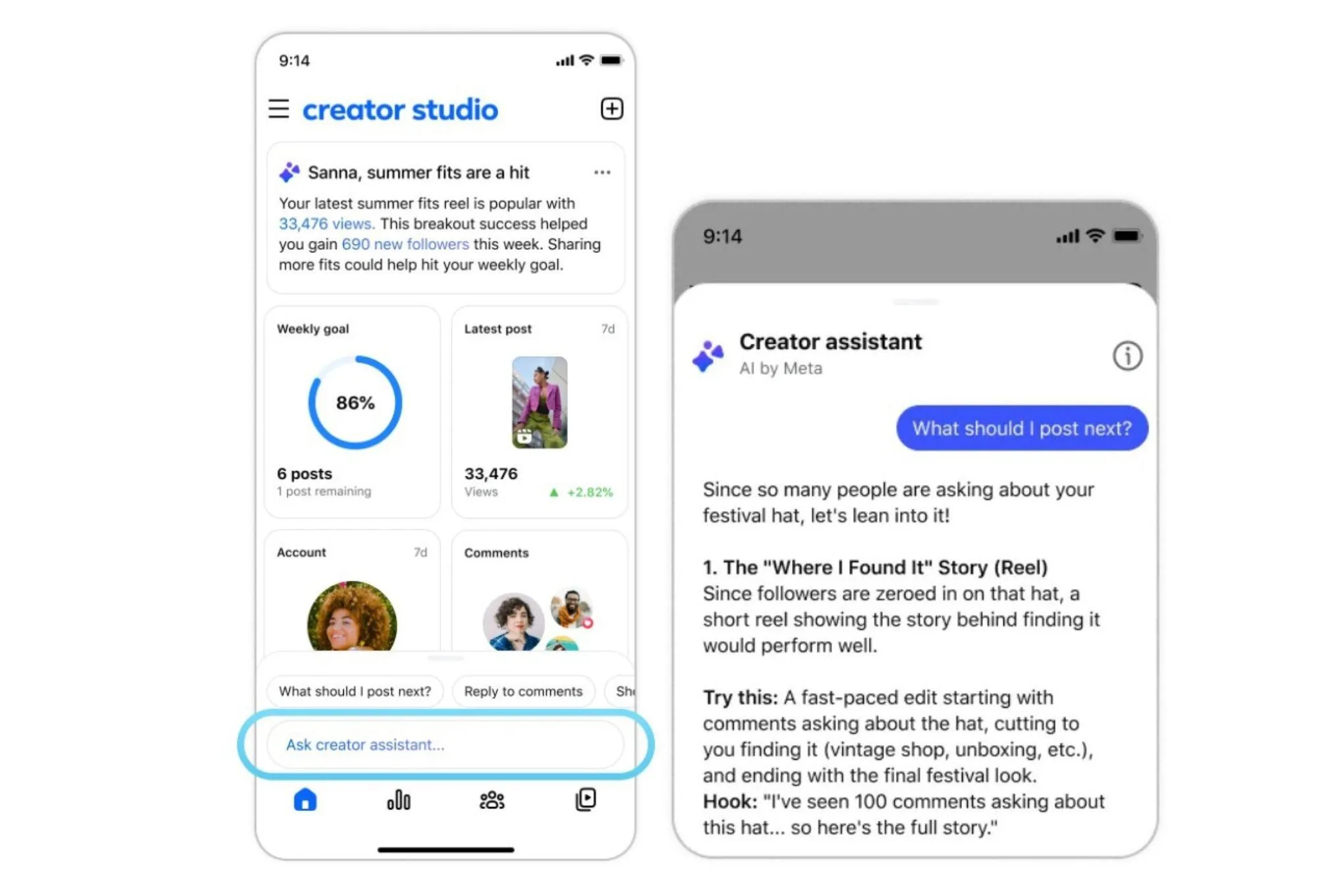
The original Creator Studio was shut down in 2023. Now it's back, rebuilt around an AI assistant that promises to grow your audience and reply to comments in your voice.
Sarah Williams · 26 Jun · 5 min
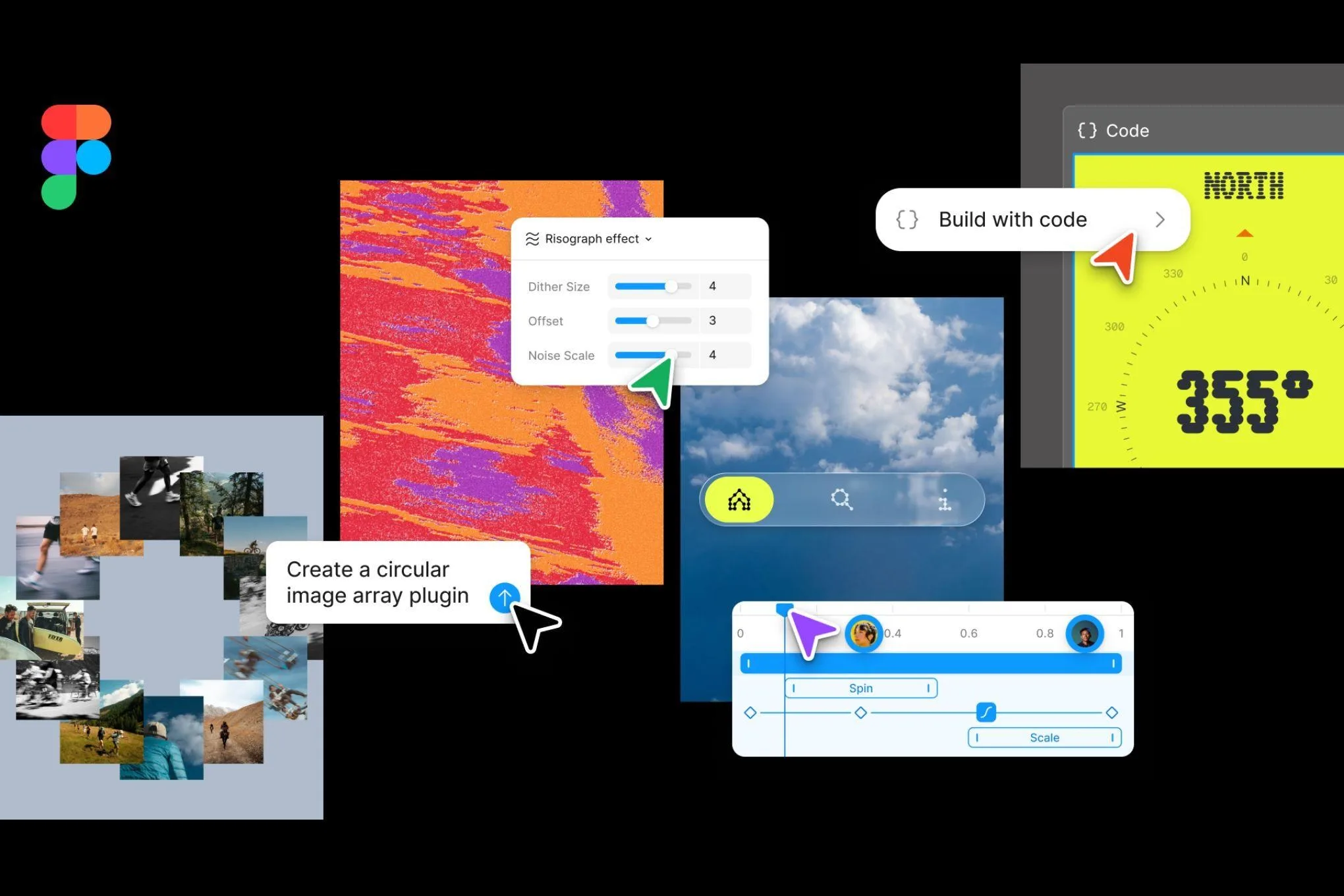
At its annual Config conference, Figma announced coding layers, AI-generated motion graphics, and a reimagined canvas that blurs the line between design and full-stack development.
Sarah Williams · 26 Jun · 5 min
Everyone talks about chips and models. The memory bottleneck is the part of the AI buildout that keeps getting underestimated, and Micron's latest earnings make that case hard to ignore.
The MIT Technology Review data suggests most organizations haven't internalized this distinction. They're treating agentic AI like a software upgrade when it's closer to an organizational redesign.
Look, the 76% figure isn't surprising if you've spent time in enterprise IT. Most large organizations are running on a patchwork of legacy systems, some dating back decades. Deploying agentic AI on top of that isn't plug-and-play.
The MIT report cites three main readiness gaps:
People: Workforce skills don't match what agentic systems require. Training programs are lagging.
Processes: Existing workflows assume human decision-makers at key checkpoints. Removing those checkpoints creates compliance and liability questions nobody has answered yet.
Workflows: Integration with existing tooling is, well, it's basically a mess. APIs don't talk to each other. Data formats are inconsistent. The plumbing isn't there.
This isn't a technology problem. It's an organizational design problem. And organizational redesign takes years, not quarters.
At TechCrunch Disrupt 2026, Databricks co-founder Ali Ghodsi made a point that deserves more attention: "Enterprise AI is entering a different phase now, one where enterprises are no longer evaluating whether AI is exciting. They are evaluating whether it is safe to deploy broadly."
TechCrunch reported that safety concerns, not capability gaps, are what's killing enterprise AI deals. That tracks with what I'm hearing from contacts in industrial automation. The technology works in demos. The question is whether it works when your legal team, compliance department, and CISO all need to sign off.
From my time building hardware at Fanuc, I learned that the gap between "works in the lab" and "works at production scale" is where most projects go to die. The same dynamic is playing out with agentic AI, except the failure modes are less predictable. A robot arm that malfunctions stops moving. An AI agent that malfunctions might keep going, making increasingly wrong decisions until someone notices.
Here's what bothers me about the 85% figure. If 85% of organizations want to be agentic within three years, and 76% say they're not ready, that implies only 9% of organizations both want agentic AI and believe they can actually achieve it on that timeline.
That's an ambitious number. Actually, let me be precise, that's a concerning number. It suggests either massive overconfidence in the 9% who think they're ready, or massive underestimation of the organizational change required by the 85% who say they want it.
The organizations that are genuinely ready for agentic AI, and I've only found a handful of public examples, share a few characteristics:
Unified data infrastructure: They've already invested in consolidating their data systems. No more siloed databases that don't talk to each other.
Clear governance frameworks: They've defined what decisions AI can make autonomously versus what requires human approval. This is documented, not vibes.
Incremental deployment: They're not trying to go agentic across the entire organization at once. They're piloting in contained environments with clear rollback procedures.
Workforce integration: They've actually trained their employees on how to work alongside AI agents, not just how to prompt them.
Most organizations have maybe one of these four. The ones claiming three-year timelines with zero of them are, in a way, setting themselves up for expensive disappointment.
There's a misalignment of incentives here that isn't getting enough attention. AI vendors are selling the dream of agentic transformation. Enterprise buyers are signing contracts based on that dream. But the vendors aren't responsible for the organizational redesign required to make it work.
It's like selling someone a industrial robot without mentioning they need to rewire their entire factory floor to power it. Technically, the robot works. Practically, it's going to sit in a warehouse for 18 months while they figure out the infrastructure.
I'm not saying vendors are being deliberately misleading. But the incentive structure doesn't reward honesty about deployment complexity. The sales cycle rewards optimism. The implementation cycle punishes it.
If I had to guess, and it's too early to say with confidence, the next 18 months will see a lot of stalled enterprise AI projects. The ones that succeed will be the ones that treated this as an organizational transformation, not a software deployment.
The 85% who want to be agentic will quietly revise their timelines. Some will blame the technology. The honest ones will blame their own readiness.
The real test isn't whether agentic AI works. It clearly does, in controlled environments with clean data and clear use cases. The real test is whether organizations can change fast enough to deploy it. Based on the numbers, most can't.
That's not pessimism. That's just what the data says.